Dangerous Encounters Season 2 Episode 1 Blind Croc Mystery
- TV-PG
- March 10, 2008
- 45 min
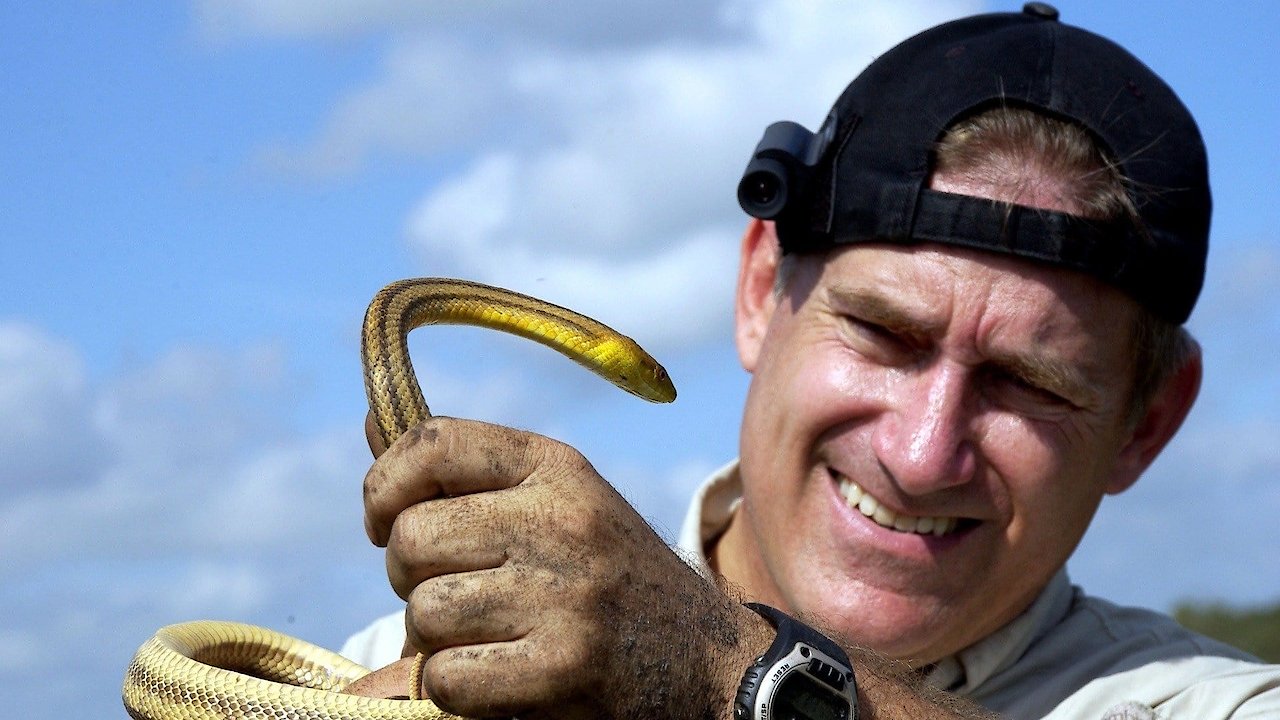
In this thrilling episode of Dangerous Encounters, titled "Blind Croc Mystery," we embark on another adrenaline-fueled adventure alongside renowned herpetologist, Brady Barr. Known for his passion and fearlessness when it comes to studying dangerous animals, Barr takes us on a remarkable journey deep into the heart of Africa's crocodile-infested waters to uncover the truth behind a puzzling and unprecedented phenomenon.
The episode begins with Barr setting foot in the Okavango Delta, a breathtakingly beautiful yet treacherous habitat located in Botswana. Armed with his extensive knowledge and unwavering determination, he intends to investigate a perplexing mystery surrounding a blind Nile crocodile. These formidable reptiles, equipped with exceptional vision and heightened senses, are usually apex predators. So how did this particular individual become blind in the wild? Barr is determined to find out.
As the misty dawn envelops the marshlands, Barr boards a small boat and heads into the murky waters, accompanied by a local expert, Mashoko, who possesses invaluable knowledge of the delta's crocodiles. Together, they navigate through labyrinthine channels, their eyes scanning the water's surface for any signs of the elusive and enigmatic blind crocodile.
Throughout the episode, Barr educates viewers about the complex biology and behavior of Nile crocodiles. From the remarkable sensitivity of their skin to detecting vibrations in the water, to their powerful jaws capable of crushing bones, he provides an in-depth understanding of these ancient creatures. Moreover, he explains the vital role they play in the delicate ecosystem of the Okavango Delta and the delicate balance that exists between predator and prey.
As the team embarks on their arduous quest, they encounter numerous setbacks and face a multitude of challenges. Despite the unpredictable nature of the delta's environment, including treacherous currents and potential encounters with other dangerous wildlife, Barr remains undeterred. His ultimate goal is to gain insights into the blind crocodile's adaptation and survival strategies, while also ensuring his own safety amid the numerous risks.
Throughout the episode, the teamwork and camaraderie between Barr, Mashoko, and the rest of the crew become apparent. Their determination to solve the blind croc mystery creates an intense atmosphere filled with anticipation and suspense. Viewers are captivated by the audacity and resourcefulness exhibited by the team as they employ ingenious strategies, including the use of motion-sensing cameras, to track the elusive blind crocodile.
Featuring stunning aerial shots and captivating underwater footage, the episode not only showcases the awe-inspiring beauty of the Okavango Delta's landscapes but also provides captivating close-up encounters with various crocodiles. From adrenaline-pumping moments where Barr comes face to face with these powerful reptiles to heart-stopping sequences that keep viewers on the edge of their seats, "Blind Croc Mystery" is a thrilling and immersive viewing experience.
As the episode draws to a close, Barr's relentless pursuit pays off. The team finally captures a glimpse of the blind crocodile, providing a poignant and visually stunning conclusion to their mission. Through their discovery, they shed light on the unique adaptation and survival tactics employed by this remarkable creature, offering valuable insights into the natural world's intricate workings.
"Blind Croc Mystery" is a riveting episode that reinforces Brady Barr's reputation as an intrepid explorer and passionate advocate for wildlife conservation. As viewers witness the breathtaking wonders of the Okavango Delta and delve into the secrets of the blind crocodile, they are reminded of the fragile balance that exists between humans and the animal kingdom. It is an unforgettable journey that both educates and entertains, serving as a poignant reminder of the magnificence and mystery that lie within our natural world.