Diff'rent Strokes Season 5 Episode 4 Big Brother
- TV-PG
- October 23, 1982
- 22 min
-
6.4 (72)
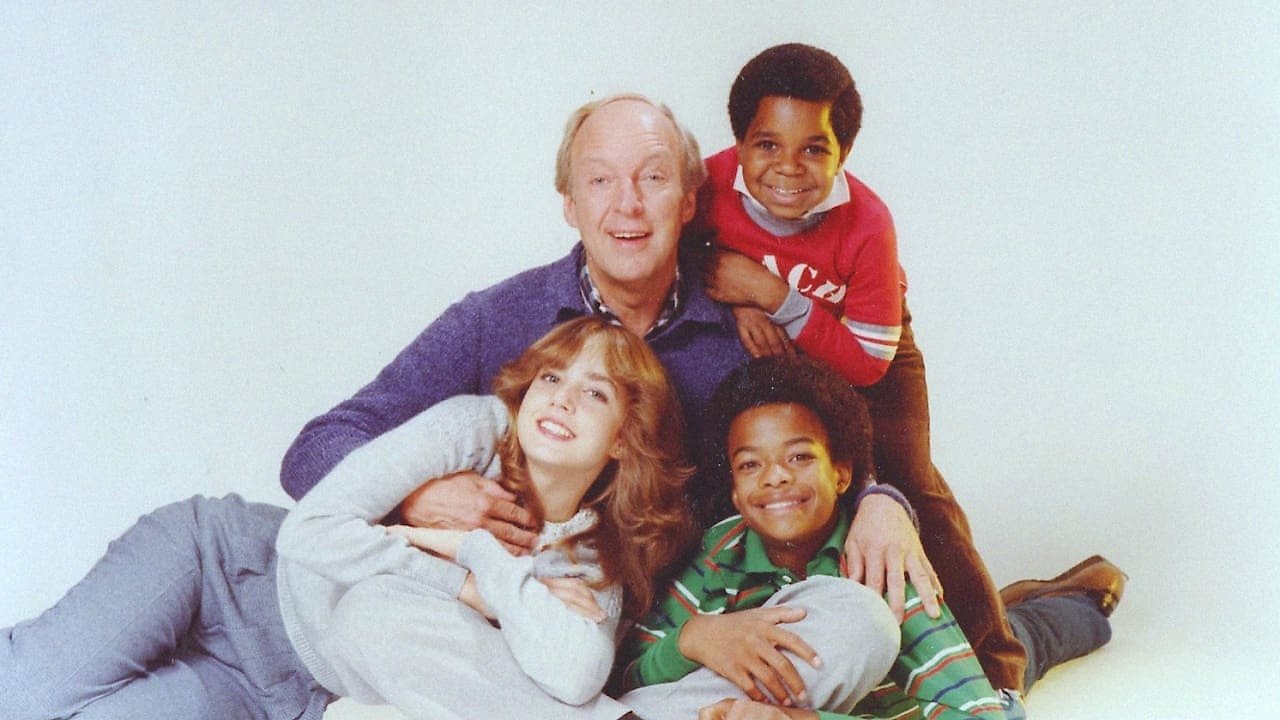
Diff'rent Strokes season 5 episode 4, titled Big Brother, explores themes of responsibility, family dynamics, and the impact of mentorship. The episode focuses on the relationship between the characters as they navigate the complexities of growing up and the significance of guidance from older figures in their lives.
In this episode, we see the lovable Arnold Jackson, portrayed by Gary Coleman, grappling with the challenges of adolescence, particularly when it comes to the expectations placed upon him by his family and peers. Arnold's youthful exuberance and charm shine through, but he begins to feel the weight of responsibility as he finds himself in a position where he must serve as a role model for his younger friends and siblings. Through a series of humorous and poignant situations, the episode cleverly illustrates how daunting it can be to take on such a role, especially when navigating the ups and downs of teenage life.
Meanwhile, his older brother Willis, played by Todd Bridges, steps into a more prominent role as a mentor and protector. The sibling bond between Arnold and Willis is highlighted throughout the episode, showcasing their playful banter and strong, unwavering support for one another. Willis’s attempts to guide his younger brother provide both comic relief and heartfelt moments, allowing the audience to see the depth of their relationship. As Willis grapples with his own challenges, he learns that being a big brother isn't just about setting a good example; it's also about understanding when to give advice, when to listen, and when to simply be there.
The character of Mr. Drummond, Arnold and Willis’s adoptive father, played by Conrad Bain, adds another layer to the narrative. His continued presence as a caring and loving figure provides a stable foundation for the boys. The episode delves into the responsibilities of parenthood and the importance of being involved in the lives of children. Mr. Drummond’s wisdom and compassion serve as crucial guides for the brothers as they navigate their dilemmas, reinforcing the message that family is not just about blood, but about love and support.
As the episode progresses, the challenges faced by Arnold and Willis mirror the struggles many young viewers can relate to, such as peer pressure, self-identity, and the quest for independence. The storyline introduces situations that test their character and resolve, ultimately leading to important life lessons about integrity, honesty, and the importance of making wise choices.
In true Diff'rent Strokes fashion, Big Brother contains a balanced mix of humor and heartfelt moments. The comedic situations offer light-hearted escapism, while the deeper themes encourage viewers to reflect on their own lives and the role their family plays in shaping who they become. The episode fosters a connection with its audience, aligning with the show’s overall message of love, acceptance, and the importance of being there for one another.
Guest characters are often integrated into the storyline, providing additional views and perspectives that enrich the plot. This episode may introduce these characters, allowing them to play pivotal roles in the brothers' coming-of-age journey. Viewers can expect to see how dynamics shift with the presence of others and how that influences Arnold’s and Willis’s understanding of their own responsibilities.
Big Brother stands out as a memorable episode in Season 5, reflecting the show's ability to handle important social issues with a blend of sensitivity and humor. It promises viewers an entertaining yet educational viewing experience, making it a relevant episode for both young audiences and adults alike. The themes of family, mentorship, and personal growth resonate across generations, reinforcing the importance of guidance in the formative years of life.
Ultimately, Diff'rent Strokes continues to be a poignant exploration of childhood and the bonds that define family. Big Brother encapsulates the essence of these values while delivering a wholesome, entertaining story that engages audiences, reminding them of the universal truth that everyone can have a big brother or sister, whether through blood ties or chosen bonds. The episode is sure to leave viewers with a sense of joy, an appreciation for family ties, and perhaps even some laughter as they reflect on their own lives and the mentors they have had along the way.