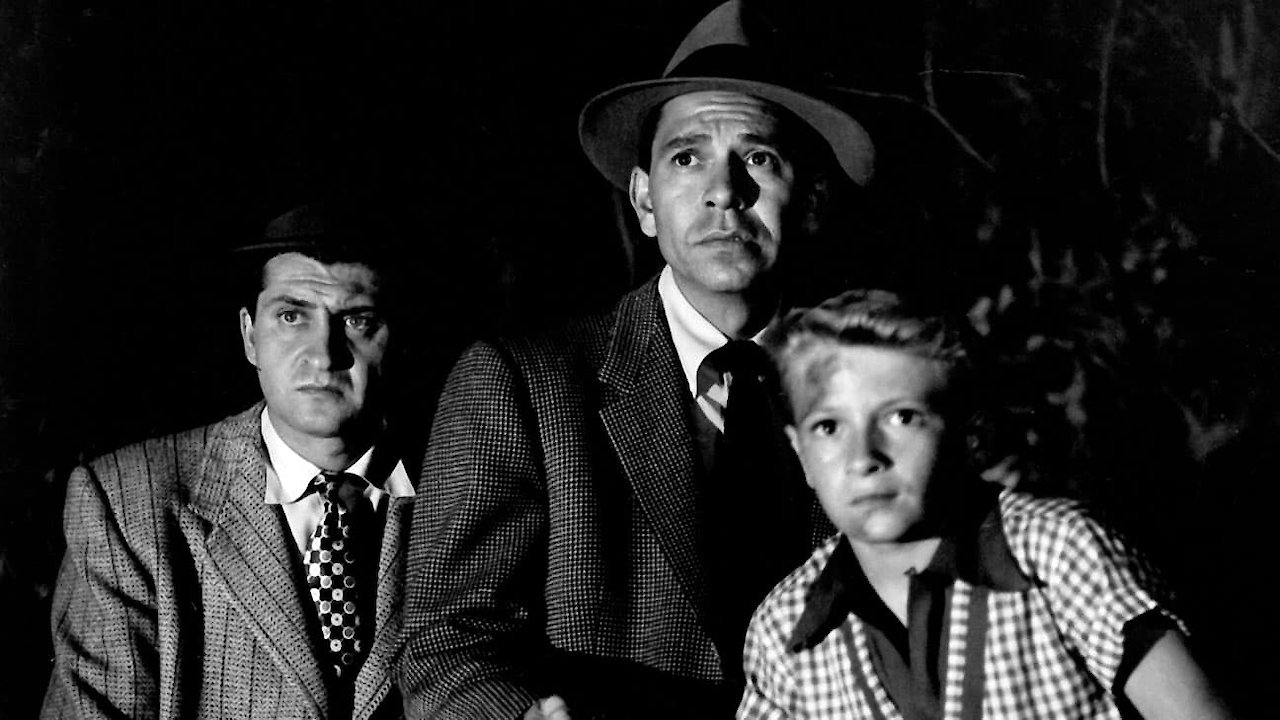
Dragnet Season 8 Episode 7 The Big Jukebox
- November 4, 1958
In the iconic police procedural series Dragnet, season 8 episode 7 titled The Big Jukebox delves into the world of counterfeit currency as detectives Joe Friday and his partner, Officer Bill Gannon, tackle a case that intertwines the familiar settings of Los Angeles and the world of music. Set against the backdrop of the 1960s, this episode brilliantly combines the earnestness of law enforcement with the vibrancy and culture of the era, offering viewers a glimpse into the challenges faced by both the police force and the community.
The episode opens in classic Dragnet fashion, with a gripping narration by Joe Friday, who provides a detailed overview of the city’s current climate and the rising incidences of counterfeiting. The camera glides over the bustling streets of Los Angeles, showcasing a range of establishments, including those that cater to music enthusiasts. Central to the plot is a local jukebox company that seems to be innocuously minding its business, but Friday and Gannon soon learn that there might be more to it than meets the eye.
As the investigation unfolds, Friday and Gannon find themselves navigating the interconnected lives of various characters, including jukebox owners, musicians, and patrons. The detectives expertly peel back the layers of a complex web of counterfeit bills that are making their way into the local music scene, leading to a series of complications that could jeopardize not just the jukebox business, but also the livelihoods of those who depend on it. The jukebox serves as a rich metaphor for the era—the beloved machines that play the songs of the streets also stand as a symbol of joy and community, which is being threatened by crime.
Throughout the episode, the narrative shines a light on the economic struggles of the time, illustrating how individuals and small business owners are impacted by the larger issues of crime and deception. The detectives’ interactions with shop owners and music lovers are laced with an underlying tension as they strive to uncover the source of the counterfeit currency while ensuring that the vibrant culture surrounding music in Los Angeles continues to thrive.
The episode is marked by its character-driven storytelling, showcasing the interplay between Friday's steadfast dedication to duty and Gannon's more laid-back, yet astute, approach to detective work. Their camaraderie is palpable, providing a stark contrast to the seriousness of their task. Together, they interview various suspects, gathering hints and leads, all while maintaining their signature dry wit and no-nonsense attitudes.
In addition to the central plot, The Big Jukebox offers viewers glimpses into the cultural zeitgeist of the time. The inclusion of period-appropriate music provides an authentic backdrop, transporting audiences back to an era where rock 'n' roll was blossoming, and jukeboxes were revered as vital components of social life. This context enriches the story, not only as a setting but also as a catalyst for character interactions and motivations.
As the detectives draw closer to solving the case, they are met with challenges that test their resolve and ingenuity. The episode explores themes of morality and justice as they navigate the grey areas of the law—what constitutes right and wrong, especially when livelihoods are at stake. The tension builds as Friday and Gannon unravel the criminals behind the counterfeiting operation, leading to thought-provoking discussions on the impact of crime on community and trust.
Visually, The Big Jukebox captures the essence of the time period, with carefully curated sets that reflect the aesthetics of 1960s Los Angeles. From classic diner scenes where the detectives find witnesses to the grit of the streets where they pursue leads, the cinematography immerses viewers in a world that feels both nostalgic and realistic.
As the episode reaches its climax, the viewers are left on the edge of their seats, invested in the journey of the detectives as they peel back the layers of deception. The case illustrates the ongoing battle against crime in a rapidly changing society, one where even small victories can have wide-reaching implications for the community.
The Big Jukebox serves as a captivating mix of drama, character exploration, and social commentary, making it a memorable installment in the Dragnet series. With sharp dialogue, relatable characters, and a gripping narrative, this episode stands as a testament to the enduring appeal of the show, resonating with audiences who appreciate both its historical context and timeless exploration of justice. As Friday and Gannon work tirelessly to preserve the integrity of their city, viewers are reminded of the complexities and triumphs that define both law enforcement and the communities they serve.
