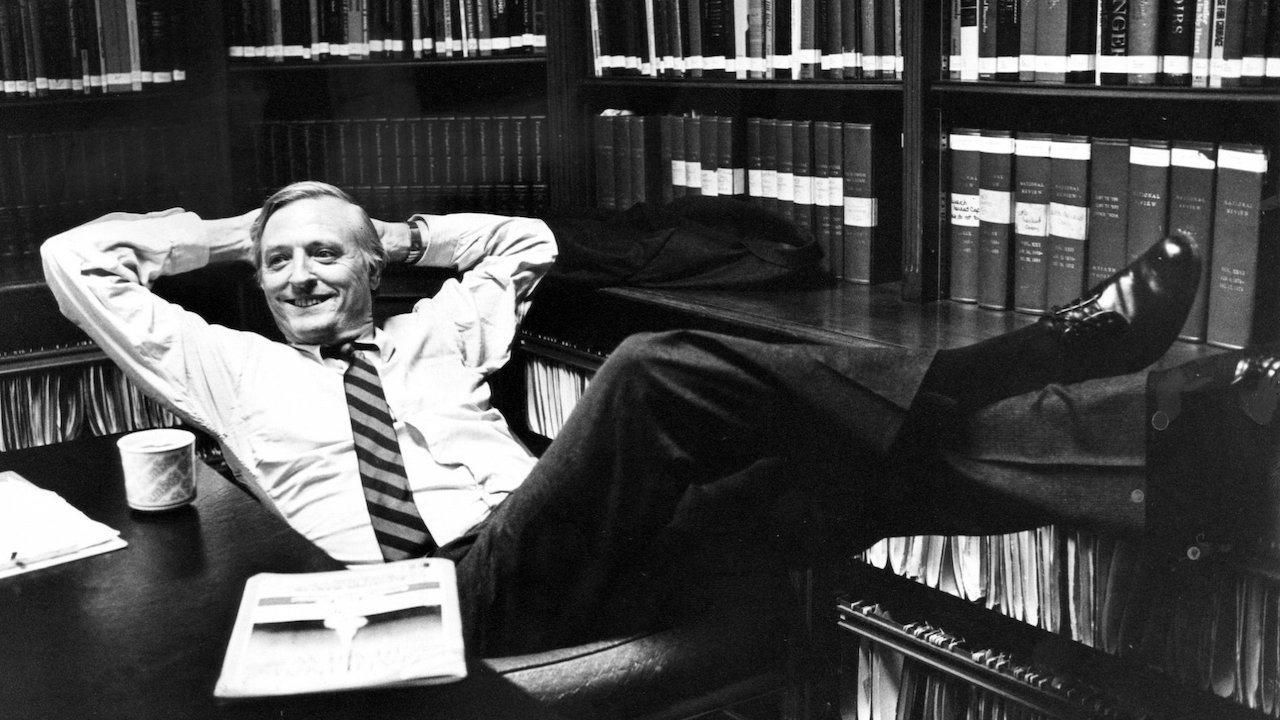
Firing Line Season 1 Episode 17 Public Power vs. Private Power
- June 10, 1966
Firing Line season 1 episode 17, titled "Public Power vs. Private Power," takes a deep look into the debate around private and public power. Host William F. Buckley Jr. engages in a thought-provoking conversation with his guests about the advantages and disadvantages of each approach.
The episode starts with a guest arguing in favor of public power. The guest explains that public power ensures that essential services such as healthcare, education, and transportation are accessible and affordable to all. Furthermore, public power prioritizes the common good instead of profits, which can often lead to inequality and injustice. He also argues that public power can prevent monopolies, which create high prices and limit options for consumers.
However, the next guest argues for private power, stating that it drives innovation and efficiency. Private companies have a motivation to create better products and services that consumers are willing to pay for, which in turn spurs economic growth. She also argues that allowing competition to flourish between private businesses is the best way to meet the needs of consumers.
The conversation continues with the guests debating which approach is better for specific industries, such as energy, transportation, and healthcare. Each guest presents evidence to support their position and tries to poke holes in their opponent's argument.
Throughout the episode, William F. Buckley Jr. plays the role of mediator, encouraging a lively and respectful debate while also challenging the guests to provide evidence to support their positions. He asks probing questions to dive deeper into the arguments presented and offers insights from his own perspective.
Overall, Firing Line season 1 episode 17 offers a nuanced exploration of the pros and cons of public and private power. While there is no clear winner in the debate, the episode encourages viewers to think critically about which approach is most appropriate for different industries and circumstances.
