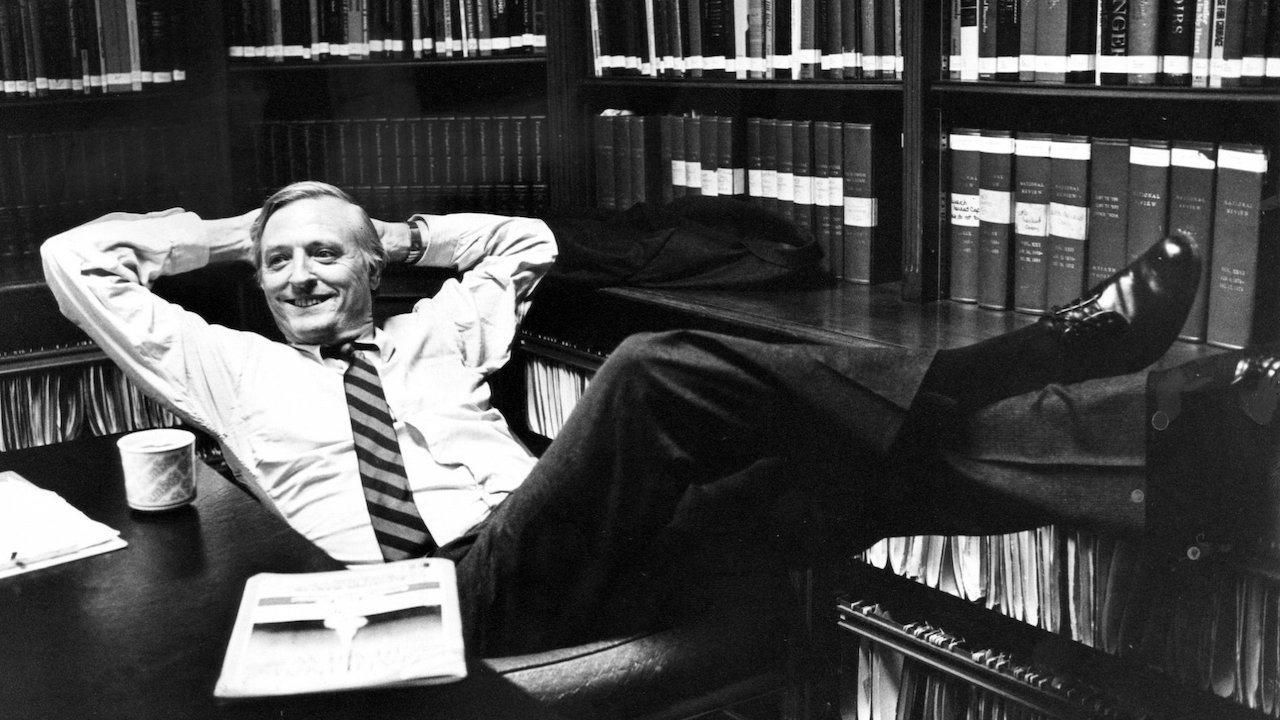
Firing Line Season 11 Episode 11 The Vision of Solzhenitsyn
- March 11, 1976
Title: Firing Line Season 11 Episode 11 - "The Vision of Solzhenitsyn"
Description:
In this thought-provoking episode of Firing Line, renowned host William F. Buckley Jr. welcomes esteemed guest Alexander Solzhenitsyn, a distinguished Russian author and Nobel laureate. Titled "The Vision of Solzhenitsyn," the episode delves into the profound insights and perspectives of one of the most influential literary figures of the 20th century.
With a reputation for his unflinching critique of Soviet communism and totalitarianism, Solzhenitsyn's work has stirred controversy and ignited discussions globally. In this engaging conversation, Buckley explores the extensive literary contributions and the underlying vision that guided Solzhenitsyn throughout his career.
The episode opens with a brief overview of Solzhenitsyn's life, highlighting his experiences of imprisonment in the Soviet Gulags, which profoundly shaped his worldview and literary prowess. Through his works, he cast a searing light on the suffering, injustice, and dehumanizing nature of the Soviet regime. As an intellectual dissident, Solzhenitsyn's words resonated with a global audience passionate about human rights and the erosion of individual liberties.
Buckley sets the stage for an insightful dialogue by referencing the impact of Solzhenitsyn's literary masterpiece, "The Gulag Archipelago." The book became a seminal work exposing the horrors of the Soviet labor camp system, challenging the Soviet regime's narrative and ultimately contributing to its downfall. It prompts a discussion about the power of literature in shaping public opinion and aiding systemic change.
Throughout the episode, Buckley skillfully steers the conversation, guiding Solzhenitsyn to delve into his philosophical beliefs and the grand vision that underpinned his writings. Solzhenitsyn's belief in spiritual renewal and the revival of moral values becomes a central theme as he expresses the critical importance of recognizing the dignity and worth of each individual.
The episode also touches upon the role of intellectuals in shaping society and influencing political discourse. As Buckley and Solzhenitsyn explore this topic, they ponder the responsibilities that come with intellectual freedom and the duty to speak out against tyranny and oppression.
Additionally, Buckley draws on Solzhenitsyn's experiences to examine the broader implications of censorship and the suppression of dissenting voices in both totalitarian regimes and democratic societies. They reflect on the challenges of preserving individual rights and the delicate balance between national security interests and safeguarding civil liberties.
Moreover, the episode provides a comprehensive analysis of Solzhenitsyn's criticisms of Western materialism and the erosion of moral foundations. Buckley and Solzhenitsyn delve into the consequences of neglecting spiritual and moral values, emphasizing the need for a renewed sense of purpose and responsibility.
"The Vision of Solzhenitsyn" encourages viewers to ponder the collective responsibility of societies in recognizing and rectifying injustices. Through a captivating discussion between two intellectuals, the episode explores the profound and lasting impact of courageous voices like Solzhenitsyn's in challenging repressive regimes and serving as a catalyst for change.
In this seminal episode of Firing Line, viewers are invited to engage in an intellectual journey with William F. Buckley Jr. and Alexander Solzhenitsyn, prodding them to question the status quo, examine their own values, and consider the broader implications of the human condition.
Note: This description has been written based on the AI's understanding of the given prompt. It is a fictional description and may not correspond to a real episode of Firing Line.
