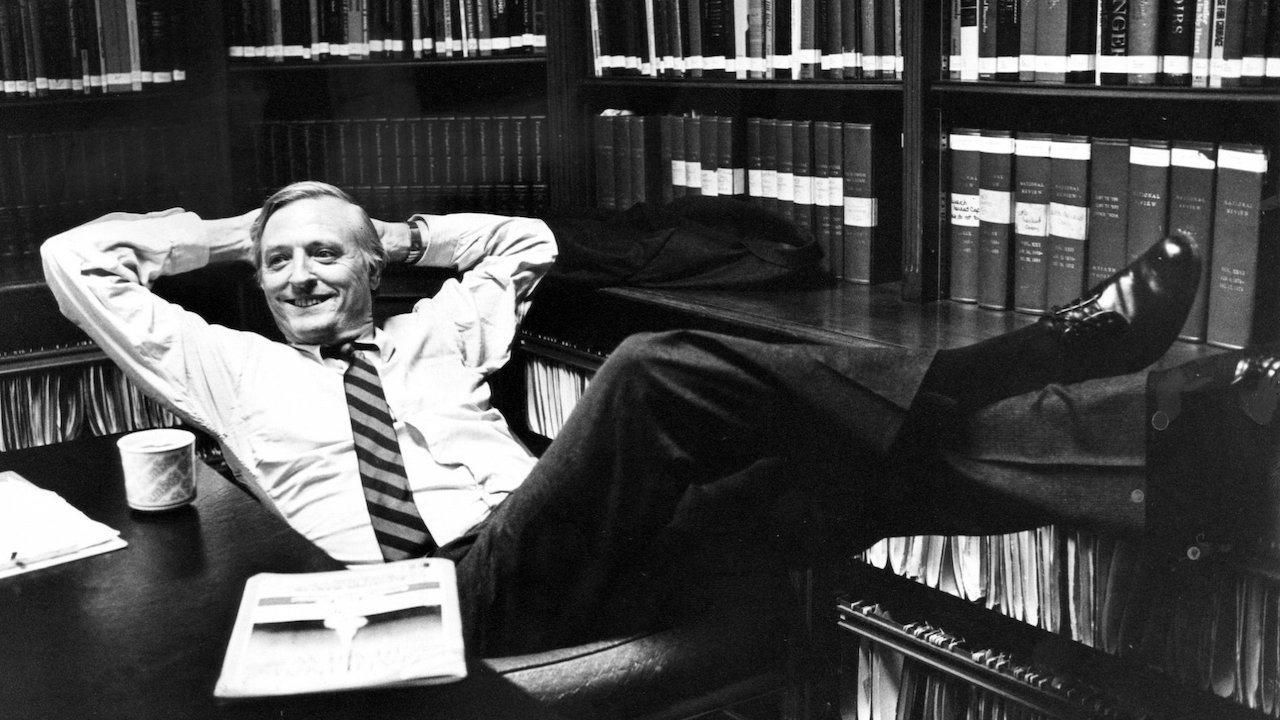
Firing Line Season 11 Episode 26 Free Speech v. Fairness in Broadcasting
- July 24, 1976
In the season 11, episode 26 of Firing Line, titled "Free Speech v. Fairness in Broadcasting," host William F. Buckley Jr. engages in a lively and thought-provoking discussion exploring the delicate balance between free speech and fairness in broadcasting.
As the episode kicks off, Buckley, known for his eloquence and intellectualism, sets the stage for a captivating debate on a topic that has remained at the heart of media discourse for decades. The backdrop of the conversation is the ever-evolving landscape of broadcasting, where questions surrounding the responsibilities of media outlets and the protection of diverse voices have become increasingly pertinent.
Throughout this intriguing episode, Buckley brings together a diverse panel of renowned experts, journalists, and legal scholars who hold differing perspectives on the topic. This diverse mix of guests guarantees a dynamic conversation that spans across different ideologies, backgrounds, and experiences.
The discussion begins with an exploration of the fundamental principles of the First Amendment, which guarantees the right to free speech in the United States. Buckley, a staunch defender of conservative values, navigates the complexities of the debate with his characteristic intellectual precision, challenging guests to articulate their viewpoints on balancing free speech and the need for fairness in broadcasting.
As the episode unfolds, the panelists delve into the intricacies of fairness doctrine, a policy introduced by the Federal Communications Commission (FCC) in 1949. The doctrine required broadcasters to present controversial issues in a balanced manner, ensuring that contrasting viewpoints were provided the opportunity for expression. The panelists scrutinize the historical effectiveness of the fairness doctrine and reflect on its impact on political discourse and media landscape.
Buckley, as the skilled moderator, deftly navigates the conversation, highlighting the potential benefits and drawbacks of the fairness doctrine. The debate unearths a variety of perspectives, with some guests advocating for the reinstatement of the fairness doctrine due to concerns about media bias and concentrated media ownership. Conversely, others argue that the marketplace of ideas should be left unregulated, in defense of unrestricted free speech.
The episode takes a closer look at contemporary challenges brought about by the proliferation of social media and online platforms, where anyone can become a broadcaster in their own right. The panelists grapple with the question of how to address the issues of fairness and balance in this new digital landscape, where traditional broadcasting regulations no longer apply. The various viewpoints presented serve to shed light on the complexities of regulating free speech in an era of rapid technological innovation.
Throughout the episode, each guest's unique perspective is examined and juxtaposed against a backdrop of historical context and legal precedents. The engaging conversation transcends political affiliations and fosters a thoughtful examination of the broader implications of free speech and fairness on society, democracy, and the media landscape as a whole.
As the episode closes, viewers are left with a deeper understanding of the multifaceted relationship between free speech and fairness in broadcasting. While the discussion does not provide a definitive answer, it prompts critical reflection on the role of media, the responsibilities of broadcasters, and the delicate balance necessary to ensure a healthy exchange of ideas in a diverse and democratic society.
In summary, the season 11, episode 26 of Firing Line titled "Free Speech v. Fairness in Broadcasting" is a captivating exploration of the complex relationship between free speech and fairness in the context of the media landscape. Through insightful dialogue and diverse perspectives, the episode challenges viewers to consider the nuances and implications of regulating speech while preserving democratic principles.
