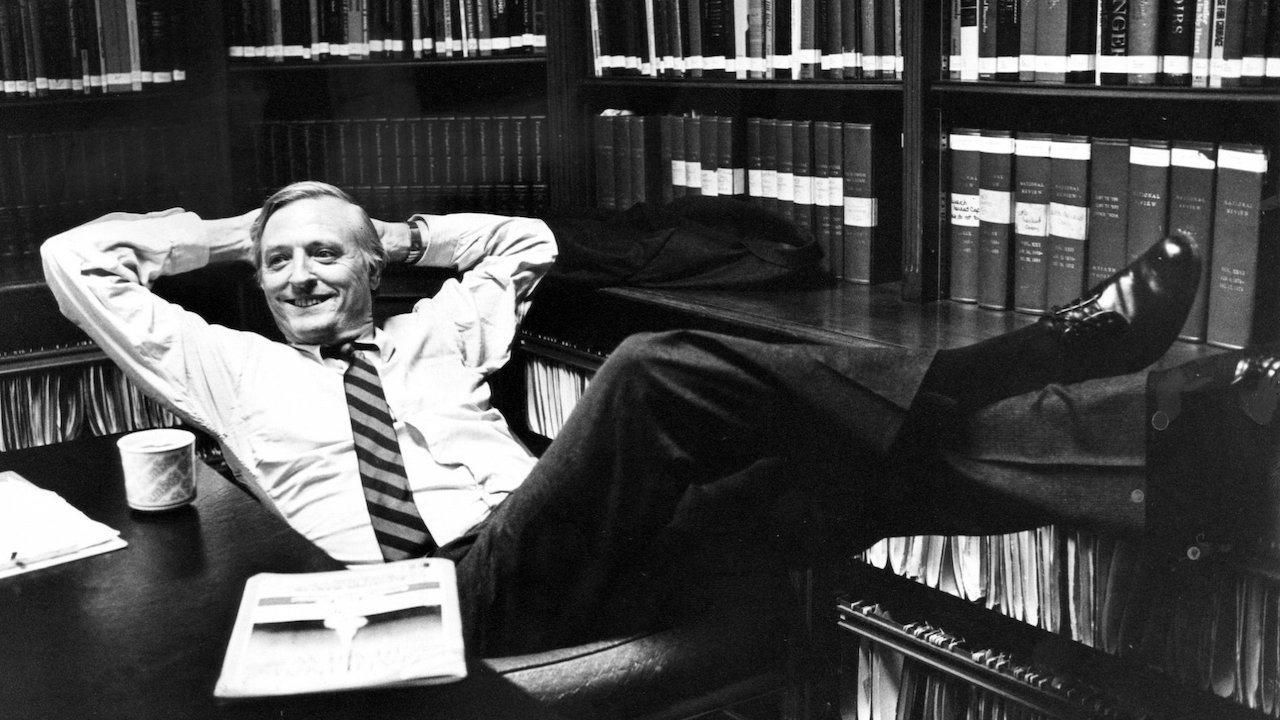
Firing Line Season 16 Episode 14 Television and the Government: Part I
- April 27, 1981
Firing Line season 16 episode 14, titled "Television and the Government: Part I", takes a closer look at the relationship between the television industry and the government. Host William F. Buckley Jr. leads a panel of experts in a lively discussion about the influence television has on American politics and democracy.
The episode delves into various issues, including the role of television in shaping public opinion, the impact of political advertising on election campaigns, and the responsibility of television networks to provide unbiased coverage of political events.
The panelists each bring a unique perspective to the discussion. There is a journalist who has covered politics for decades, a political strategist who has worked on numerous election campaigns, a media analyst who specializes in the television industry, and a former government official who has experience working with media outlets.
Throughout the episode, the panelists offer insightful commentary and engage in spirited debate over the complex issues surrounding television and the government. They discuss the implications of the Fairness Doctrine, which required broadcasters to present controversial issues in a balanced and neutral manner, and its repeal under the Reagan administration.
The panelists also bring up the issue of media consolidation and its impact on the diversity of voices in the media landscape, particularly in the wake of the Telecommunications Act of 1996.
Overall, Firing Line season 16 episode 14 provides a thought-provoking exploration of the intersection of television and politics. The panelists provide a range of perspectives on the complex issues surrounding the role of television in American democracy, leaving viewers with increased understanding and appreciation for the important role that the media plays in shaping political discourse.
