Firing Line Season 4 Episode 13 Vietnam and the Intellectuals
- April 3, 1969
- 30 min
Firing Line season 4 episode 13, titled Vietnam and the Intellectuals, delves into the complex relationship between intellectual thought and the tumultuous events surrounding the Vietnam War. This episode presents a critical examination of the role that intellectuals, scholars, and public intellectuals played in shaping the discourse around this conflict, exploring how their insights, arguments, and sometimes misguided notions influenced both public sentiment and policy decisions.
As the Vietnam War escalated during the 1960s, the United States found itself embroiled in a conflict that would ignite intense debate across various sectors of society, particularly among its intellectual elite. This episode brings together a diverse panel of esteemed academics, writers, and thinkers who provide varying perspectives on the war and the broader implications of intellectual engagement with such a significant historical event.
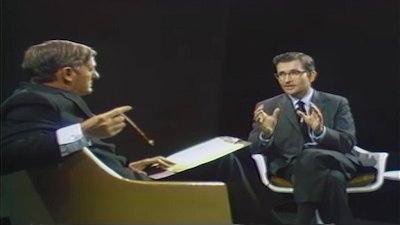
Throughout the episode, the host facilitates a rigorous dialogue, encouraging guests to articulate their viewpoints on the moral, political, and social dimensions of the Vietnam War. The conversation examines the impact of academic thought on military strategy and foreign policy, casting light on the challenges faced by intellectuals attempting to navigate the murky waters of moral philosophy and national interests.
The episode does not shy away from the controversies surrounding the anti-war movement, with guests discussing their personal experiences and the societal ramifications of dissent in an era marked by protests and civil unrest. The discussions highlight how intellectuals often found themselves at odds with mainstream opinion, leading to polarized opinions that continue to resonate in contemporary political discourse. Viewers can expect a multifaceted exploration of the responsibilities of intellectuals in times of crisis, as well as an honest appraisal of the efficacy of their contributions to the national conversation.
One of the key themes explored in this episode is the concept of moral authority. The guests engage in a nuanced discussion of who holds ethical sway in matters of war and peace—are intellectuals equipped to make moral judgments about military action, or do they risk detaching themselves from the realities faced by those in the field? With poignant anecdotes and historical references, the panelists grapple with the weight of their own conclusions and the ramifications those may hold for both society and the individuals on the ground.
Vietnam and the Intellectuals also touches upon the evolution of public critique, questioning whether the intellectual discourse of the 1960s adequately addressed the complexities of the Vietnamese context and the American involvement in it. Through critical analysis and engaging dialogue, the episode sets the stage for an exploration of whether intellectuals often fell prey to ideological biases that skewed their assessments of the war's legitimacy.
Moreover, the episode invites viewers to consider the long-term consequences of the Vietnam War on American intellectual thought. How did the war shape the way academia engaged with issues of ethics, power, and resistance in the subsequent decades? The panelists outline the legacy of Vietnam in shaping a generation of critical thinkers, activists, and writers who would go on to influence global perspectives on war.
As the episode progresses, it offers insights into the dynamics of public scholarship and the ways in which intellectuals can bridge the gap between elite discourse and the lived experiences of citizens. The panelists discuss the importance of accountability in the intellectual community, urging for a continued examination of one's own biases and assumptions in the face of pressing real-world issues. This theme resonates profoundly in an era characterized by polarizing political views and a fractious media landscape.
Vietnam and the Intellectuals is not merely a retrospective; it serves as an essential reminder of the power and responsibility of thought leaders in shaping narratives that impact society at large. By examining how intellectuals responded to the Vietnam War, the episode encourages viewers to reflect on the ongoing dialogues about war, ethics, and the role of academia in public life today.
In conclusion, this episode of Firing Line is a thought-provoking inquiry into the intersection of intellectual thought and the Vietnam War, inviting audiences to contemplate the complex legacy that continues to inform debates around morality, strategy, and civic responsibility. With its balanced perspectives and intellectual rigor, Vietnam and the Intellectuals stands as a vital exploration of how ideas can influence the course of history and societal values.