Firing Line Season 9 Episode 33 Chile and the CIA
- September 20, 1974
- 30 min
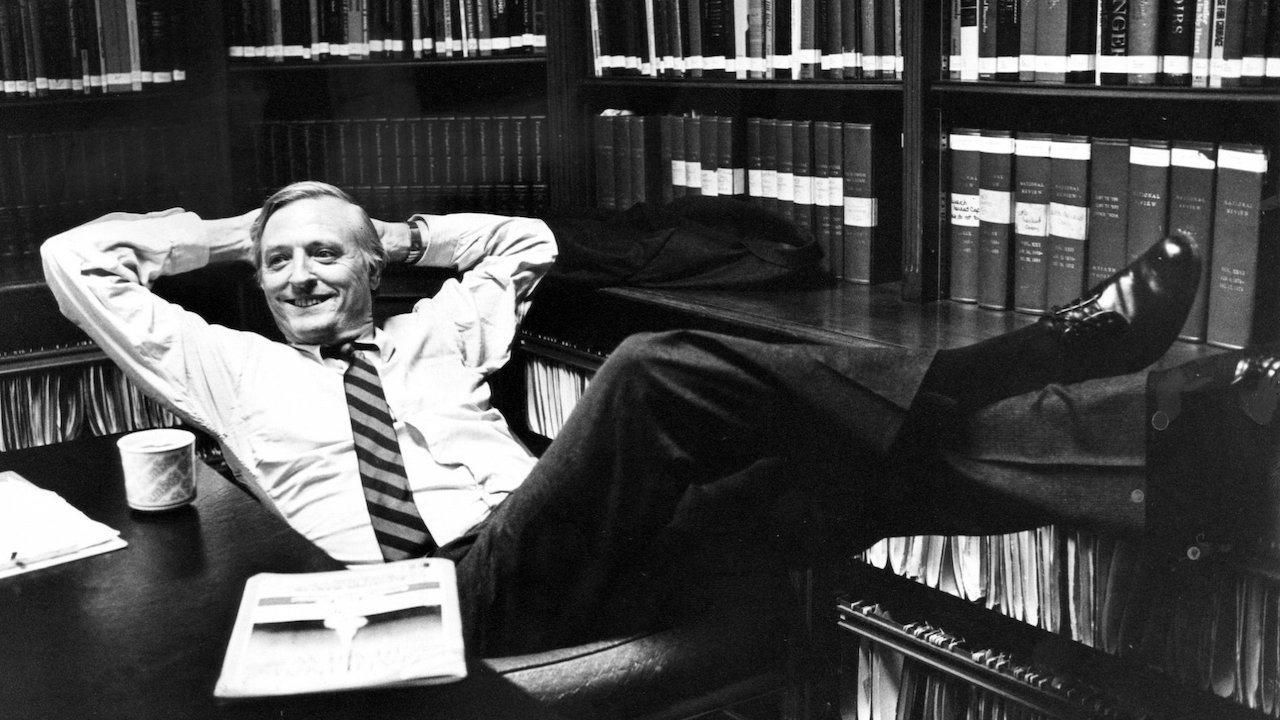
In season 9 episode 33 of Firing Line, the focus is on the relationship between Chile and the CIA, particularly in the context of the Cold War and the rise of authoritarian regimes in Latin America. Host William F. Buckley Jr. engages in a thoughtful and incisive conversation with his guests, exploring the complex web of political and economic factors that shaped the relationship between the United States and Chile during this volatile period in history.
The episode begins with a brief overview of the political situation in Chile in the 1960s and 1970s. At this time, Chile was led by socialist President Salvador Allende, who had instituted a number of leftist policies intended to redistribute wealth and improve the lives of Chile's poor. However, these policies were deeply unpopular with the country's wealthy elites and with the United States government, which saw Allende's government as a threat to its interests in the region.
Buckley's guests include a number of scholars and experts on Latin American politics, including former CIA agent Philip Agee and Chilean economist Orlando Letelier. Each guest brings a unique perspective to the conversation, and the discussion is wide-ranging and often heated as panelists debate the ethics and efficacy of U.S. intervention in Chilean politics.
One of the key topics of discussion is the role of the CIA in Chile during this period. Agee, who left the CIA in 1969 and became a vocal critic of the agency's activities in Latin America, argues that the CIA was deeply involved in subverting Allende's government and supporting General Augusto Pinochet's eventual coup. Letelier, who was a member of Allende's cabinet before being exiled after the coup, provides a firsthand account of the violence and repression that followed Pinochet's rise to power.
The panel also delves into the economic pressures that led to the U.S. government's opposition to Allende's government. Letelier argues that the United States was primarily interested in protecting its economic interests in Chile, particularly its investments in the country's mining and natural resources industries. Agee agrees, pointing out that the CIA had a long history of supporting authoritarian regimes in Latin America that were friendly to U.S. business interests.
Despite the sometimes contentious nature of the conversation, all of the panelists agree that the events in Chile during this period had far-reaching ramifications and continue to shape the region's politics today. The episode ends with a reflection on the lessons that can be learned from this history, particularly as the United States faces new challenges and opportunities in Latin America and beyond.
Overall, Firing Line season 9 episode 33 offers a nuanced and thought-provoking look at the complex relationship between Chile and the CIA during the Cold War. With insightful commentary from a diverse panel of experts, this episode is a must-watch for anyone interested in the political and economic forces that have shaped the modern world.
