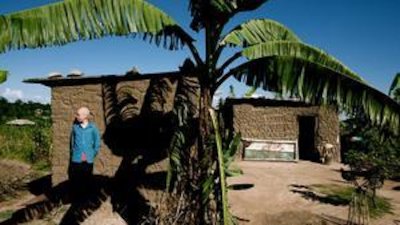
Global Voices Season 6 Episode 11 In the Shadow of the Sun
- August 11, 2013
In the Shadow of the Sun is the eleventh episode of the sixth season of Global Voices. This episode takes us on a journey through Tanzania, a country located on the East African coast, bordering Kenya and Uganda. Tanzania is known for its abundant wildlife, including the Serengeti National Park, and Mount Kilimanjaro, the highest peak in Africa. However, this episode focuses on the people of Tanzania and the challenges they face.
The episode starts with the story of a young boy named Josephat. Josephat lives with albinism, a genetic condition that affects the production of melanin, the pigment that gives color to our skin, hair, and eyes. People with albinism have little or no melanin, often causing vision problems, sensitivity to light, and a higher risk of skin cancer. However, in some African countries, people with albinism face a far greater danger - they are hunted for their body parts. In Tanzania, superstitions and myths surrounding albinism have led to a rise in violent attacks against people with albinism, who are believed to possess magical powers. In the past decade, more than 100 people with albinism have been killed, and many more have been mutilated or abducted.
Josephat's parents fled their village with him when he was a baby, fearing for his safety. They now live in a safe house in Dar es Salaam, where Josephat receives education, medical care, and protection. Josephat dreams of becoming a pilot, but he knows the dangers of going out in public. In Tanzania, even a trip to the market can be life-threatening for people with albinism. Josephat tells us how difficult it is to live in the shadows, away from the sun and people's eyes.
The episode then shifts focus to another group of people who live in the shadow of Tanzania's tourism industry. The Maasai people are a semi-nomadic ethnic group who inhabit parts of Tanzania and Kenya. The Maasai have a rich culture, with their own language, customs, and dress. However, their way of life is threatened by the encroachment of tourism. Many areas that were once Maasai grazing lands are now national parks, where tourists come to see the wildlife. The Maasai have been forced to abandon their traditional practices and adapt to a new way of life. Some have become guides or porters for the tourists, while others have turned to farming, which is challenging in the dry, barren landscape.
We meet a Maasai woman named Kambi, who is struggling to provide for her family. Kambi used to graze her cattle on the land that is now the Ngorongoro Conservation Area, a UNESCO World Heritage site that attracts hundreds of thousands of tourists each year. Now, Kambi and her husband are farmers, but their crops often fail due to lack of rainfall and poor soil. Kambi tells us how the Maasai are excluded from the tourist industry, which brings in millions of dollars each year. She believes that the government and the park authorities should give a share of the revenue to the Maasai, who have lived on this land for centuries.
The episode ends on a hopeful note, as we see Josephat and Kambi standing up for their rights. Josephat has become an advocate for people with albinism, speaking out against the discrimination and violence they face. He has even met with the President of Tanzania to demand justice for victims of albinism attacks. Kambi has joined a community-based organization that helps Maasai women to start their own businesses and improve their livelihoods. She has learned how to make jewelry and sells it to tourists who visit the nearby Serengeti National Park. Through their courage and determination, Josephat and Kambi are shedding light on the problems faced by marginalized communities in Tanzania and inspiring others to take action.