Global Voices Season 7 Episode 16 Casablanca Calling
- September 14, 2014
In the seventh season and sixteenth episode of Global Voices, we're introduced to three female Moroccans who are determined to make a difference in their communities. Directed by Rosa Rogers and produced by Hilary Durman, "Casablanca Calling" is a powerful documentary that highlights the challenges these women face and the impact they're making as religious leaders.
The episode starts with a quick overview of Morocco's religious landscape. As a predominantly Muslim country, the religious leaders hold a lot of power over the people. However, for centuries, women have been excluded from the religious hierarchy, and their voices have been silenced. While women have made strides in many other areas of Moroccan society, the religious domain remains a male-dominated sphere.
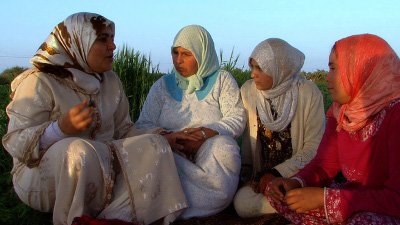
Enter the three female religious leaders - Hannane, Bouchra, and Karima. These women come from different backgrounds, but they share a common goal - to empower women through Islam. In their view, Islam can be a powerful tool for social change, and they're using it to create space for women in the religious realm.
We get to see their work in action as they lead prayer groups, teach Qur'an classes, and engage in community outreach. Despite facing resistance from some quarters, these women are determined to show that women can be effective religious leaders. They deliver inspiring sermons that draw on Islamic teachings of justice, compassion, and equality, and they break down stereotypes and misconceptions about women's roles in society.
We also get to see the personal side of their lives - their families, friends, and mentors. We see their struggles and frustrations, but also their triumphs and moments of joy. The warmth and humor they bring to their work are infectious, and it's impossible not to root for them as they navigate the challenges of this male-dominated world.
One particular challenge that these women face is the lack of institutional support. They're not officially recognized as religious leaders, and they have to work extra hard to gain the respect and trust of their communities. They also encounter resistance from some male religious leaders who see them as a threat to their authority.
Despite these obstacles, the women are making significant strides. They're building bridges between different communities, promoting interfaith dialogue, and challenging harmful practices such as forced marriage. They're also inspiring a new generation of women to take up the mantle of religious leadership and to use Islam to advocate for social justice.
Overall, "Casablanca Calling" is a thought-provoking and uplifting documentary that shines a light on the inspiring work of these female religious leaders. It challenges our preconceptions about Islamic feminism and shows how women can use religion to promote positive change in their communities. It also raises important questions about the role of women in religion and the need for greater inclusivity and diversity in religious institutions.
The episode is expertly crafted, with beautiful cinematography and a compelling narrative arc. It's clear that the filmmakers have a deep respect for their subjects and have taken great care to capture their stories with sensitivity and nuance. The result is a powerful film that will leave you feeling inspired and hopeful for the future of women in Morocco and beyond.
In conclusion, "Casablanca Calling" is a must-watch for anyone interested in the intersection of religion, feminism, and social justice. It's a testament to the resilience and courage of these three women and a powerful reminder of the potential for positive change when women are given a seat at the table. Whether you're a believer or not, this film will leave you with a newfound appreciation for the transformative power of faith.