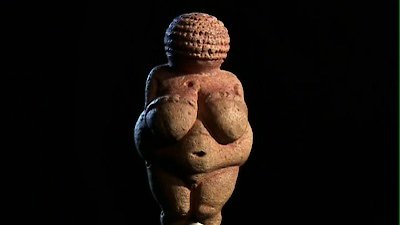
How Art Made The World Season 1 Episode 1 More Human Than Human...
- May 26, 2005
- 51 min
How Art Made The World is a compelling series which investigates how art has played a significant role in shaping the course of human history and the evolution of human society as a whole. The first season of the show comprises of five episodes, and the first episode is named "More Human Than Human."
In this episode, the viewers are taken on a journey through history, exploring the earliest instances of artwork and how they were created. The show delves deep into the subject, explaining how early humans began to develop the fundamental skills of drawing and painting when they started to migrate across the continents. Expert historians and archaeologists provide their insights on the evolution of art in human society, and how it eventually became an integral part of our cultural heritage.
The show is hosted by Dr. Nigel Spivey, an art historian at the University of Cambridge. He takes viewers back in time to explore some of the earliest cave paintings in France's Lascaux Caves and other regions of the world, including Southern Africa and South America. The focus is on the development of art and how early humans were influenced and inspired by the world around them.
The episode delves into the interconnectedness of various types of art, such as sculpture, music, and storytelling. Dr. Spivey explains how these different art forms contributed to the formation of societies, the creation of religion, and the development of science.
One of the main points made in "More Human Than Human" is how art served as a form of connection between people, transcending differences in language and culture. Dr. Spivey explains how ancient civilizations used art as a means to convey complex ideas and cultural beliefs to one another, creating a shared culture and a sense of community.
Another significant aspect of the episode is the exploration of how art served as a form of propaganda throughout history. Dr. Spivey takes viewers on a journey through ancient Greece, explaining how public sculptures and artwork were used to assert political power and display the dominance of certain groups or individuals.
In conclusion, "More Human Than Human" serves as an excellent introduction to the overall theme of the series, which is an exploration of the power and impact of art on human history. The show provides an incredible glimpse into the earliest instances of art and how it has evolved to become a fundamental part of human culture. With expert historians and Dr. Spivey's engaging and informative presentation, it is an excellent start to an enlightening and intriguing series.
