Latino Americans Season 1 Episode 5 Prejudice and Pride
- TV-PG
- October 1, 2013
- 53 min
Latino Americans is a six-part documentary series exploring the rich and diverse history and culture of Latinos in America. In season 1 episode 5, titled "Prejudice and Pride," viewers are taken on a journey through the 1960s and 1970s, one of the most tumultuous periods in American history. The episode features interviews with prominent Latino activists and community leaders, as well as archival footage and photographs that help tell the story of how Latinos fought for civil rights and social justice during this time.
The episode starts by examining the ways in which Latinos faced discrimination and prejudice in the United States during the mid-twentieth century. Viewers are introduced to the concept of "colonialism within a colonialism," which refers to the way in which Latinos in the U.S. were marginalized and oppressed due to their race and ethnicity, even as the country as a whole was fighting for civil rights and integration. We see how Latinos were often excluded from mainstream American society, denied access to education, housing, and employment opportunities, and subjected to racial slurs and violence.
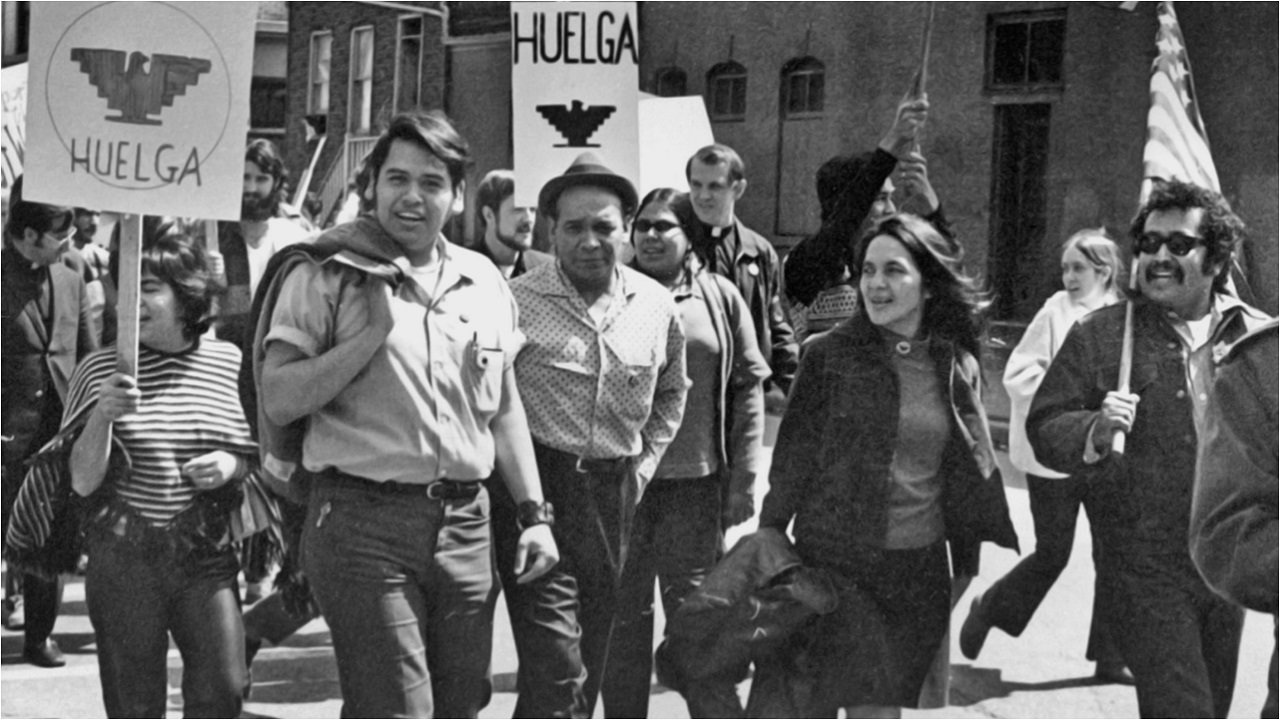
Next, the episode focuses on the role that Latino activism played in challenging these injustices. We learn about some of the key figures in the Latino civil rights movement, such as Cesar Chavez, Dolores Huerta, and Reies Lopez Tijerina, and see how they organized protests, boycotts, and strikes to demand better treatment and recognition for their communities. We also hear from ordinary Latinos who were inspired to get involved in these movements and who often put their lives on the line to fight for their rights.
As the episode progresses, we see how the Latino civil rights movement intersected with other social movements of the time, such as the feminist movement and the anti-war movement. We learn about the contributions of Latina activists like Gloria Anzaldua and Cherrie Moraga, who brought attention to issues of gender and sexuality within the Latino community and advocated for greater inclusivity and diversity in the movement. We also see how Latinos joined forces with other minority groups to challenge systemic racism and oppression, forging alliances with African Americans, Native Americans, and Asian Americans to create a more united front for social justice.
The episode concludes by exploring the ways in which the Latino civil rights movement transformed American society and culture. We see how Hispanics became a political force to be reckoned with, and how Latino culture began to be celebrated and embraced in mainstream America. We learn about the emergence of movements like the Chicano Renaissance, which celebrated Latino art, literature, and music, and the importance of these cultural expressions as a way of asserting Latino identity and power.
Overall, "Prejudice and Pride" is a powerful and moving episode that sheds light on a critical and overlooked chapter in American history. It shows how Latino Americans fought for their rights and dignity in the face of discrimination and oppression, and how their efforts helped to shape the course of American society and culture. It is a must-watch for anyone interested in understanding the complex and multifaceted history of Latinos in America.