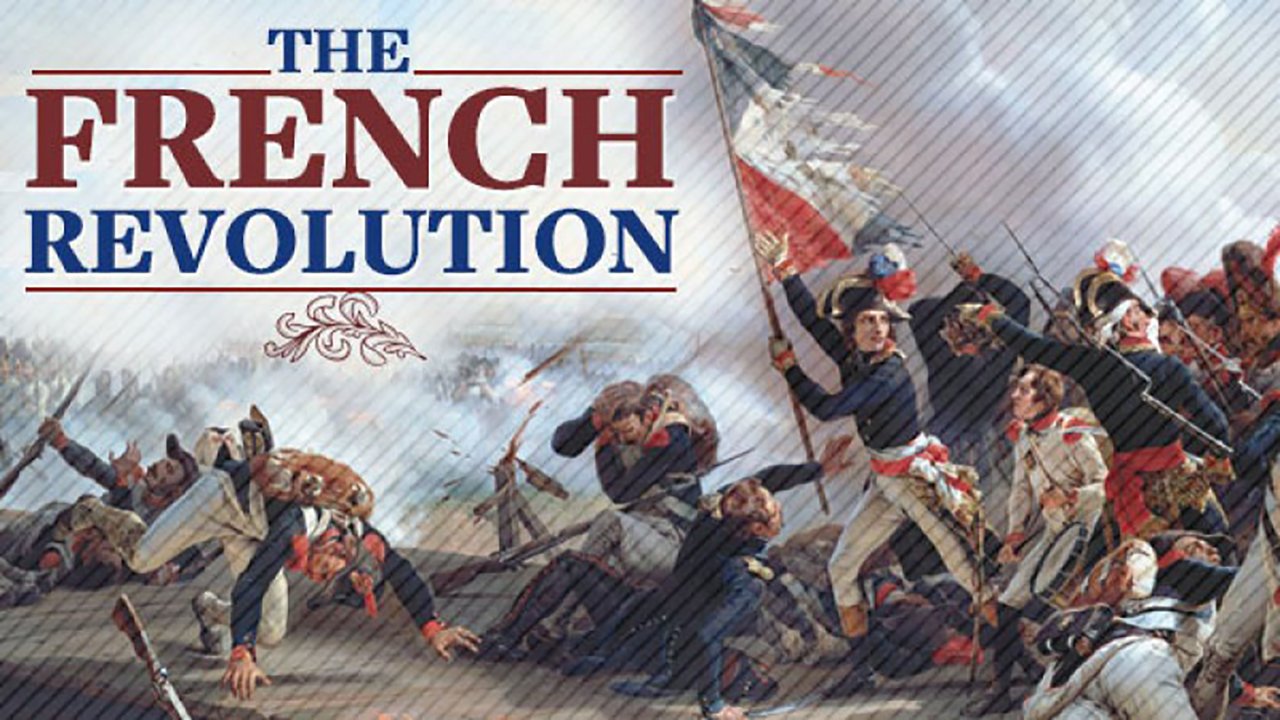
Living the French Revolution and the Age of Napoleon Season 1 Episode 12 Religion and the Early Revolution
- TV-PG
- May 31, 2013
- 30 min
Religion and the Early Revolution is the twelfth episode of the first season of Living the French Revolution and the Age of Napoleon. This episode delves into the role of religion in the early stages of the French Revolution, examining how the Revolution both challenged and transformed the Catholic Church in France.
The episode begins by exploring the state of the Catholic Church in France prior to the Revolution. The Church owned vast amounts of property and enjoyed immense wealth, leading some to accuse it of being out of touch with the common people. Furthermore, many French citizens believed that the Church had grown corrupt and overly concerned with its own interests rather than those of the people.
As the Revolution unfolded, many French citizens began to demand reforms to the Church. Some called for the separation of Church and State, while others wanted to see the Church's vast holdings of land redistributed to the people. However, these demands were not universal, and many devout Catholics vehemently opposed any changes to the Church's structure or practices.
Amid these debates, the episode takes a close look at the key figures who shaped religion during the early years of the Revolution. These include Talleyrand, a prominent bishop who came to support the Revolution's reforms; Abbe Sieyes, a constitutional expert who argued for the creation of a national Church; and Maximilien Robespierre, a devout Catholic who nonetheless favored radical reforms of the Church's hierarchy and practices.
The episode also examines some of the major events that marked the early years of the Revolution's relationship with the Church. These include the Civil Constitution of the Clergy, which sought to create a national Church that would be loyal to the Revolution, and the Reign of Terror, during which many clergymen were executed for their perceived opposition to the Revolution.
Throughout the episode, Living the French Revolution and the Age of Napoleon employs a variety of primary sources, including letters, diaries, and artwork, to provide a vivid and engaging portrait of religious life during this tumultuous period. Viewers are invited to reflect on the complex and often fraught relationship between religion and politics, and on the ways in which religious institutions can be both agents and victims of social change.
Overall, Religion and the Early Revolution is a fascinating and thought-provoking episode that sheds new light on the many ways in which the French Revolution transformed French society and culture. Whether you are a history buff, a student of politics, or simply curious about the past, this episode is sure to stimulate your thoughts and emotions.
