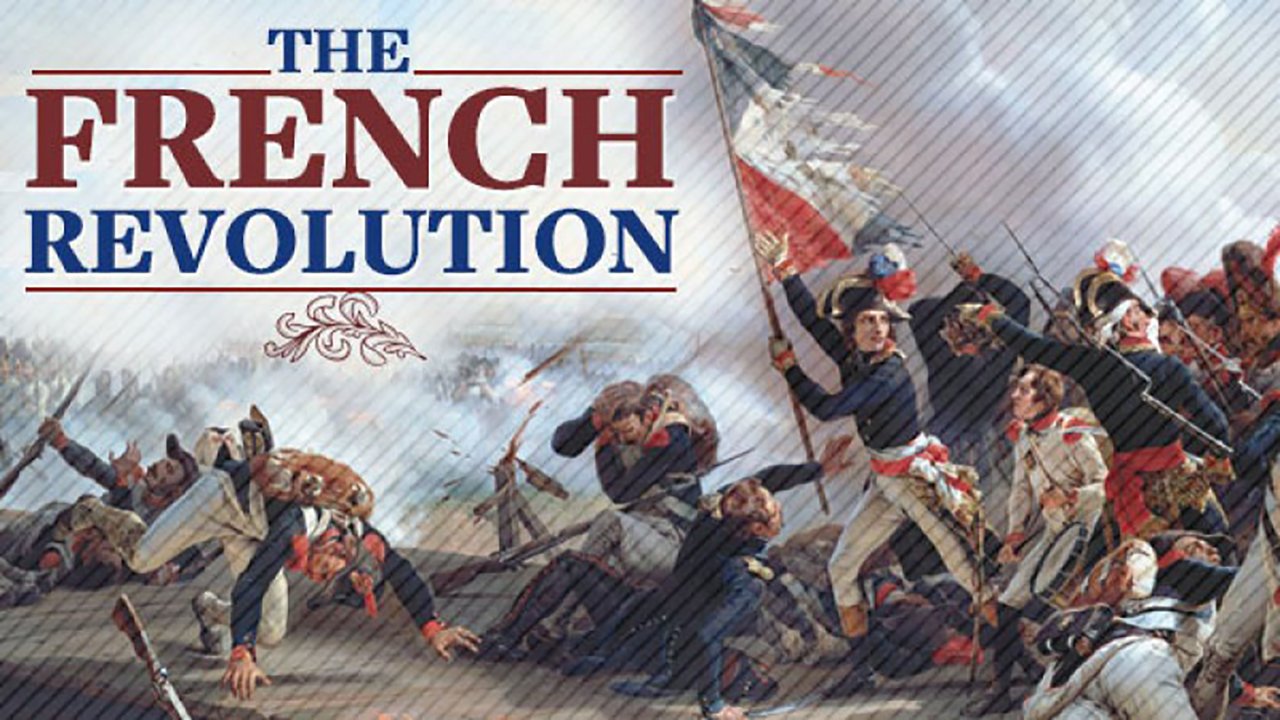
Living the French Revolution and the Age of Napoleon Season 1 Episode 13 The Revolution and the Colonies
- TV-PG
- May 31, 2013
- 29 min
Living the French Revolution and the Age of Napoleon is a historical docuseries that explores the complexities of the French Revolution and the subsequent Age of Napoleon. In season 1 episode 13, titled The Revolution and the Colonies, the show examines the impact of the French Revolution on the colonies and the role of the colonies in the revolution.
The episode begins by providing a background on the French colonies and their economic importance to France. The colonies, which included Haiti, Guadeloupe, Martinique, and Saint-Domingue, were vital to the French economy, as they produced valuable goods such as sugar, coffee, and tobacco. However, the colonies were also centers of slavery, and the treatment of enslaved people was often brutal and inhumane.
The French Revolution, with its emphasis on liberty, equality, and fraternity, had a profound impact on the colonies. Enslaved people in the colonies were inspired by the revolutionary ideals and began to demand their rights. A key figure in this movement was Toussaint L'Ouverture, a former slave who led a rebellion in Saint-Domingue and ultimately helped to abolish slavery in the colony.
The episode also explores the role of the colonies in the French Revolution. While the revolution was primarily a European phenomenon, the colonies played an important role in shaping its outcome. In particular, the economic importance of the colonies meant that the French government had to take their interests into account when making decisions about policies and reforms.
Overall, The Revolution and the Colonies provides a fascinating look at the impact of the French Revolution on the colonies and the role of the colonies in the revolution. The episode is well-researched and presents a nuanced view of the complex relationships between France, the colonies, and enslaved people. It also highlights the many challenges that arose during the revolution and the ways in which these challenges were overcome.
