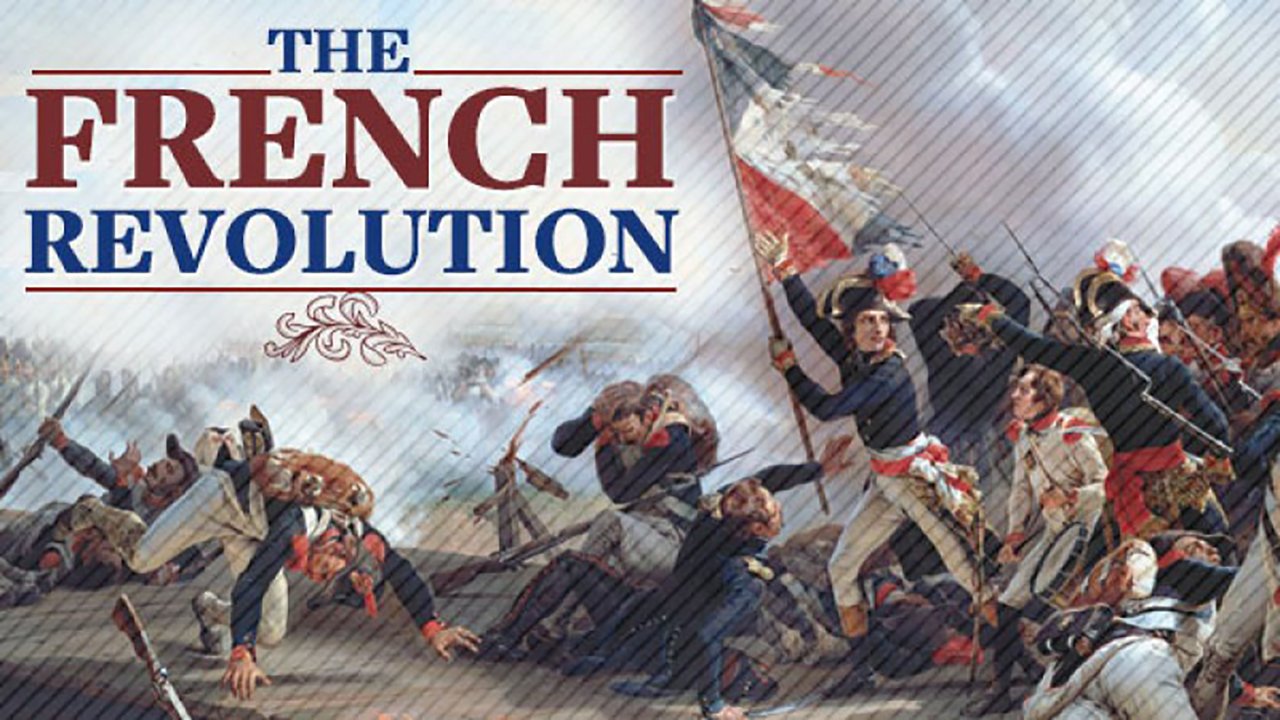
Living the French Revolution and the Age of Napoleon Season 1 Episode 21 Revolutionary Culture and Festivals
- TV-PG
- May 31, 2013
- 30 min
Living the French Revolution and the Age of Napoleon is a historical documentary series that chronicles the major events and figures of the French Revolution and the subsequent age of Napoleon. In season 1 episode 21, titled "Revolutionary Culture and Festivals," viewers are taken on a journey through the cultural and social changes that occurred during this time period.
The episode explores the role of festivals and celebrations in French society, and how these events evolved during the revolution. The revolutionaries saw festivals as a way to unify the people and promote the values of the revolution, such as liberty, equality, and fraternity. They believed that these events could help to create a new culture that was based on the principles of the revolution.
The episode begins with a discussion of the origins of revolutionary festivals, including the Fête de la Fédération in 1790, which celebrated the first anniversary of the storming of the Bastille. This festival was a huge success and was attended by thousands of people from all over France. It was a key moment in the consolidation of the revolution, as it demonstrated the people's commitment to the new government.
The episode then delves into the various types of festivals that emerged during the revolution. These included patriotic festivals, which celebrated the country and its people, and civic festivals, which marked important events such as the beheading of King Louis XVI. The episode explores the symbolism behind these festivals, such as the use of the tricolour flag and the depiction of Marianne, the symbol of the French Republic.
Viewers are also introduced to the music and art of the revolution, which played a significant role in promoting revolutionary values. The episode features performances of revolutionary songs, such as "La Marseillaise,"and explores the use of art and propaganda to promote the ideals of the revolution.
As the episode progresses, viewers are shown how festivals and cultural events became increasingly important during the age of Napoleon. As Napoleon consolidated his power, he used festivals to promote his own image and to strengthen his hold on the country. The episode explores the use of imperial symbolism in these festivals, such as the eagle and the Napoleonic "N," and the emphasis placed on military conquest.
Towards the end of the episode, viewers are given a glimpse into the legacy of revolutionary culture and festivals. The ideals and values promoted during this time period, including liberty, equality, and fraternity, have had a lasting impact on French society and culture. The episode shows how these values were woven into the fabric of French society, and how they continue to influence the country to this day.
Overall, "Revolutionary Culture and Festivals" is a fascinating exploration of the role that culture and celebration played in the French Revolution and the age of Napoleon. Through its in-depth analysis of festivals, music, art, and propaganda, the episode sheds light on the complex ways in which cultural change can occur during times of upheaval and revolution. It is a must-see for anyone interested in French history and culture.
