Naked Science Season 3 Episode 20 Comets
- March 7, 2007
Naked Science season 3 episode 20, titled "Comets," explores the mysteries of these celestial bodies that have fascinated astronomers and scientists for centuries. Comets are considered to be some of the oldest and most primitive objects in our solar system, and they hold clues about the earliest days of our planet's formation.
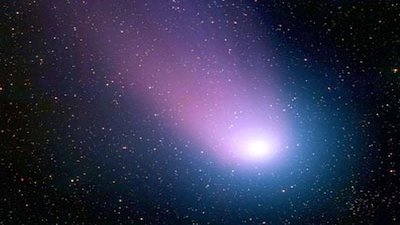
The episode begins by delving into the basics of what comets are and where they come from. Comets are small bodies made up of rock, dust, and ice that orbit the sun in elongated paths, often taking them far beyond the outer planets of our solar system. They are believed to be remnants of the early solar system that have remained relatively unchanged for billions of years. As they approach the sun, they heat up and release gases and dust, forming the characteristic tail that gives comets their iconic appearance.
The episode then takes a closer look at some of the most notable comets in history, including Halley's Comet, which is perhaps the most well-known comet due to its relatively short orbit that brings it close to Earth every 76 years. The show also explores the famous comet Shoemaker-Levy 9, which collided with Jupiter in 1994, providing one of the most spectacular astronomical events seen in modern times.
One of the most interesting aspects of comets is how they have impacted our planet throughout history. The episode details how, in the past, comets were seen as omens of doom and destruction, with many cultures believing that they were responsible for natural disasters such as earthquakes and famine. However, science has since shown that comets have played a vital role in the evolution of our planet, bringing water and organic molecules that may have been crucial for the development of life.
The episode also explores the ongoing study of comets, with spacecraft such as the European Space Agency's Rosetta mission providing unprecedented insights into these mysterious objects. Rosetta, launched in 2004, spent over a decade studying Comet 67P/Churyumov-Gerasimenko, providing scientists with invaluable data about the composition and behavior of comets.
Finally, the show discusses some of the potential hazards that comets could pose for our planet. While it is unlikely that a comet would collide directly with Earth, even a small impact could have catastrophic consequences. NASA and other space agencies around the world are constantly monitoring the skies for any potentially hazardous objects, including comets, and working on developing technologies to deflect them if necessary.
In conclusion, Naked Science season 3 episode 20 provides a fascinating look into the world of comets, from their ancient origins to their continued impact on our planet today. With stunning visuals and expert commentary from scientists around the world, this episode is a must-watch for anyone interested in space and astronomy.