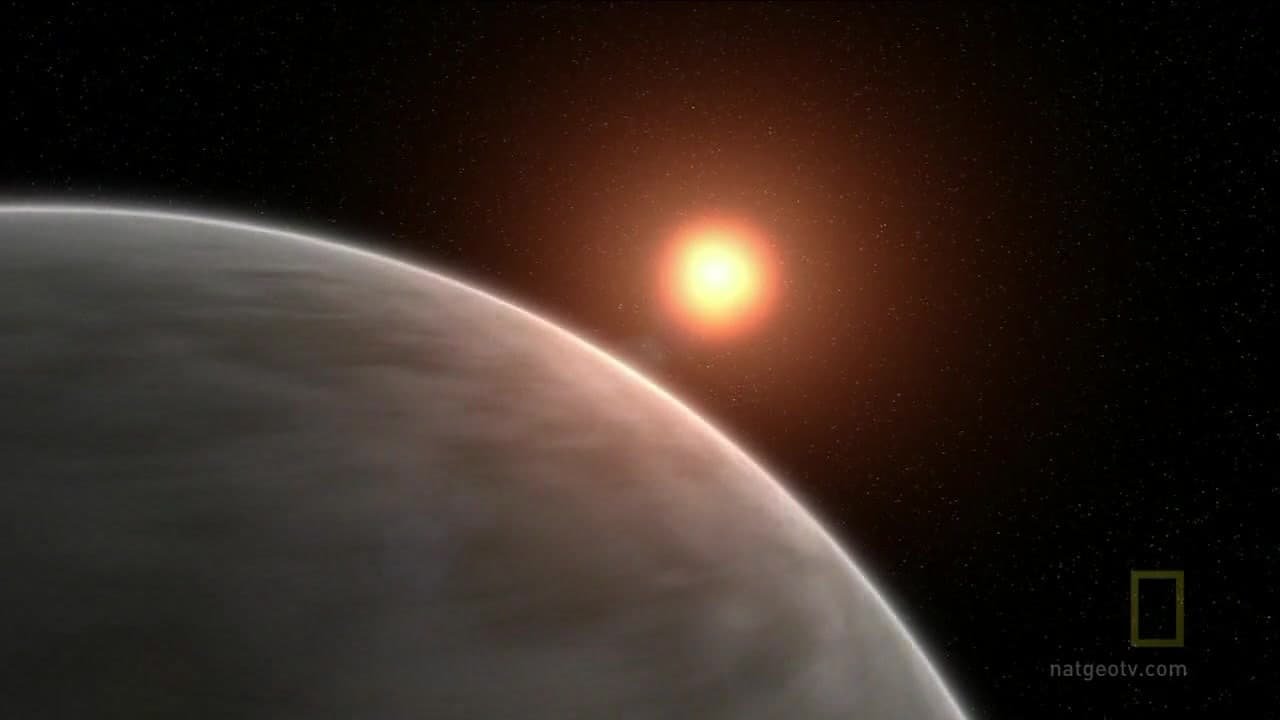
Naked Science Season 3 Episode 24 Planet Storm
- April 21, 2007
In season 3 episode 24 of Naked Science titled Planet Storm, viewers are taken on a journey through the most extreme weather conditions in the solar system. From Saturn's massive hurricane that’s been raging for decades, to Venus’s toxic atmosphere that’s more acidic than battery acid, this episode explores the destructive power of planetary storms.
Scientists and experts provide an in-depth analysis of the severe weather that occurs on other planets in our solar system. With each planet's unique atmosphere, gravity, and temperature, the storms take on a vastly different form.
The episode begins by exploring the massive hurricane that has been swirling over Saturn's North Pole for decades. This storm, known as the "hexagonal jet stream," is six times the size of the Earth and has winds that reach speeds upwards of 200 miles per hour. Scientists have been studying this storm for years, trying to understand how a hexagonal shape could form in such a fluid environment.
Moving on to Mars, the show analyzes the massive dust storms that have been known to cover the entire planet. These storms can last for months, and their intensity and size increase as Mars moves closer to the sun. The episode also looks at the impact of these dust storms on possible human settlements on Mars.
The focus then shifts to Jupiter, the largest planet in our solar system and home to some of the most violent storms. Jupiter's Great Red Spot is a gigantic storm twice the size of Earth, with wind speeds reaching up to 400 miles an hour. Researchers have been studying this storm for over four hundred years, trying to determine the cause of its longevity. The episode also covers Jupiter's smaller, more numerous storms, which are known to collide and merge, giving rise to even more severe weather patterns.
Moving farther from our sun, the show explores the atmospheric conditions on Neptune. This ice giant planet experiences storm conditions with wind speeds approaching 1,500 miles per hour, the highest in the solar system. The planet's dark storms are driven by powerful jets fueled by the planet's internal heat.
Finally, the episode delves into the conditions on Venus, which are the most hostile of any planet in our solar system. The planet's atmosphere is made mostly of carbon dioxide, with sulfuric acid clouds that create a greenhouse effect, driving temperatures on the planet's surface to a scorching 900 degrees Fahrenheit. The atmosphere is so thick that it crushes anything that lands on its surface, and the clouds produce lightning that's ten thousand times more powerful than what we experience on Earth.
Throughout the episode, viewers gain a deep understanding of how planetary storms are formed and how they affect the planets themselves. From the hexagonal shape of Saturn's hurricane to the impact of Martian dust storms on human settlements, the show explores the details of each storm type. The episode's final message is clear: the extreme weather conditions on other planets highlight how unique and precious the Earth's climate is, and how it must be protected.
