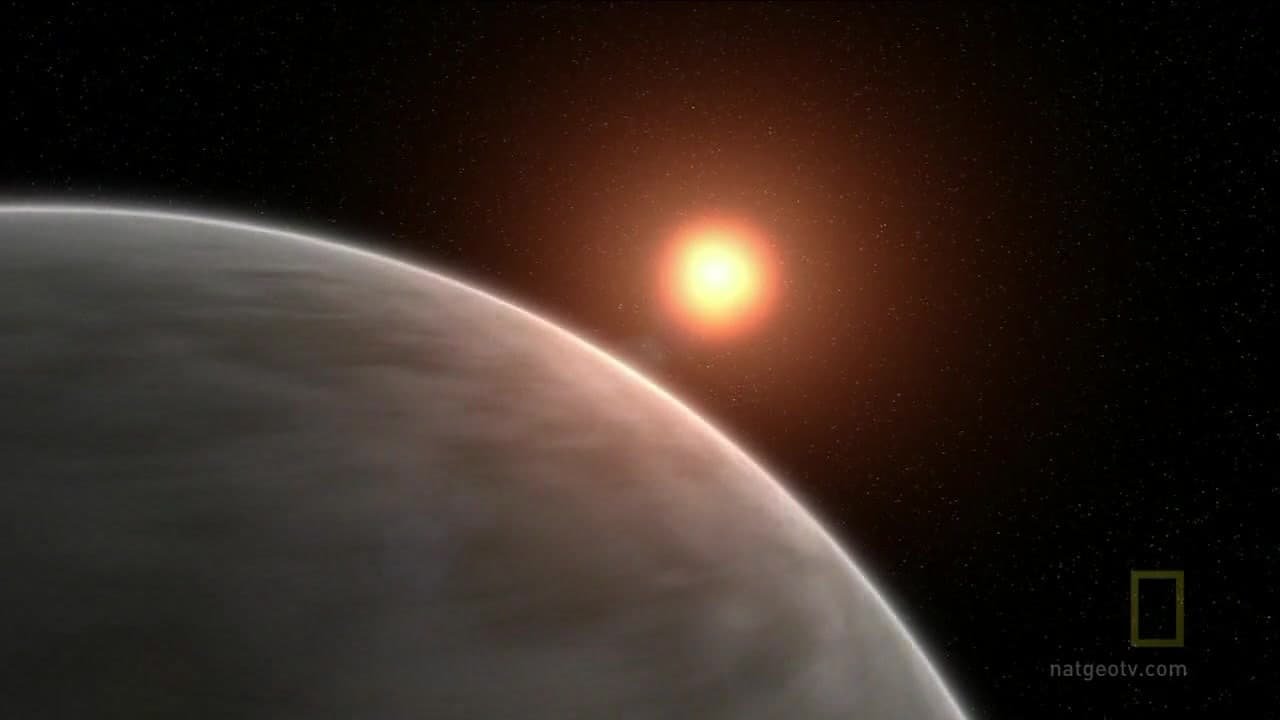
Naked Science Season 6 Episode 25 Ancient Astronomers
- December 17, 2009
In the Naked Science season 6, episode 25 titled "Ancient Astronomers," viewers will embark on a journey through time to explore the fascinating history of astronomy. The episode delves into the earliest recorded observations of the heavens, made by ancient astronomers who used only their eyes and the naked sky to study the universe.
The episode opens with a stunning array of graphics showcasing the celestial bodies that ancient astronomers like Galileo, Ptolemy, and Copernicus observed. The narrator then introduces the topic of the episode and presents some of the earliest recorded observations of the heavens. The episode explores the different cultures that developed unique astronomical traditions to explain the stars, including the ancient Egyptians, Babylonians, and the Greeks.
The first ancient group of astronomers explored are the Egyptians. Through stunning reconstructions and animations, the episode highlights how the ancient Egyptians used the stars and constellations to tell time, predict the flooding of the Nile River, and create their religious beliefs. This segment of the episode provides examples of how the Egyptians used the night sky to align their buildings to the stars and how their beliefs about the gods' movements influenced their astronomy.
The episode then moves on to the Babylonians and their astronomical practices. Viewers will learn about the cuneiform tablets that contain Babylonian observations of celestial events that date back over 2,500 years. The episode explains how the Babylonians were able to accurately predict lunar eclipses and the cycles of the planets by recording the movements of the stars over long periods.
Moving on to the Greeks, the episode explores how the Greek astronomer Hipparchus is considered to be among the greatest ancient astronomers. The episode showcases how he meticulously cataloged the positions of over 1,000 stars, allowing future astronomers to create detailed star maps and charts. The Greeks' belief in the perfection of the heavens led to intricate theories on orbits and the movement of celestial bodies. Aristotelian physics is also briefly discussed.
The episode then moves on to the work of the Islamic astronomers, who developed some of the most advanced astronomical instruments of their time. The invention of the astrolabe allowed navigators to determine their position by the stars, making travel and trade easier. The Islamic observatories were also noted for their extraordinarily advanced techniques of making observations.
The episode closes with modern-day astronomers using highly advanced telescopes and technology to build upon the work of the earlier scholars. A panoramic view is presented of the night sky, with the narrator showcasing some of the newest astronomical discoveries. The episode ultimately brings viewers to the realization that despite outstripping ancient astronomers' knowledge of the cosmos, modern humans are still in the early stages of fully understanding the complexities of the universe, making the work of the ancients study all the more awe-inspiring.
In conclusion, "Ancient Astronomers" offers a stunning, eye-opening, and informative look at humanity's past exploration of the cosmos. Through spectacular graphics, reconstructions, and the latest astronomical technology, the episode tells the story of how humans have been fascinated with the stars for thousands of years and how the observational data of ancient astronomers continue to inform and inspire modern science.
