Naked Science Season 7 Episode 1 Hunt for Aliens
- April 1, 2010
Naked Science season 7 episode 1, titled "Hunt for Aliens," explores the ongoing scientific search for extraterrestrial life. The episode delves into the history of this quest for alien life, from early speculation to modern-day discoveries, and examines the various methods scientists are using to find potential signs of life beyond our own planet.
The episode begins with a look at the concept of the "Fermi Paradox," which asks the question of why, given the vastness of the universe, we haven't yet found any evidence of intelligent alien life. Scientists discuss the possibility that perhaps we haven't been looking in the right places or using the right methods, and that there may be other reasons why we haven't made contact with extraterrestrial beings.
The search for extraterrestrial life has been ongoing for centuries, with early speculations about the potential for life on other planets. The episode explores some of the early thinkers who believed in the possibility of extraterrestrial life, including the ancient philosopher Epicurus and his ideas about "infinite worlds" beyond our own. It also delves into the early observations of astronomers like Galileo Galilei, who used the newly invented telescope to study the moon and other celestial bodies.
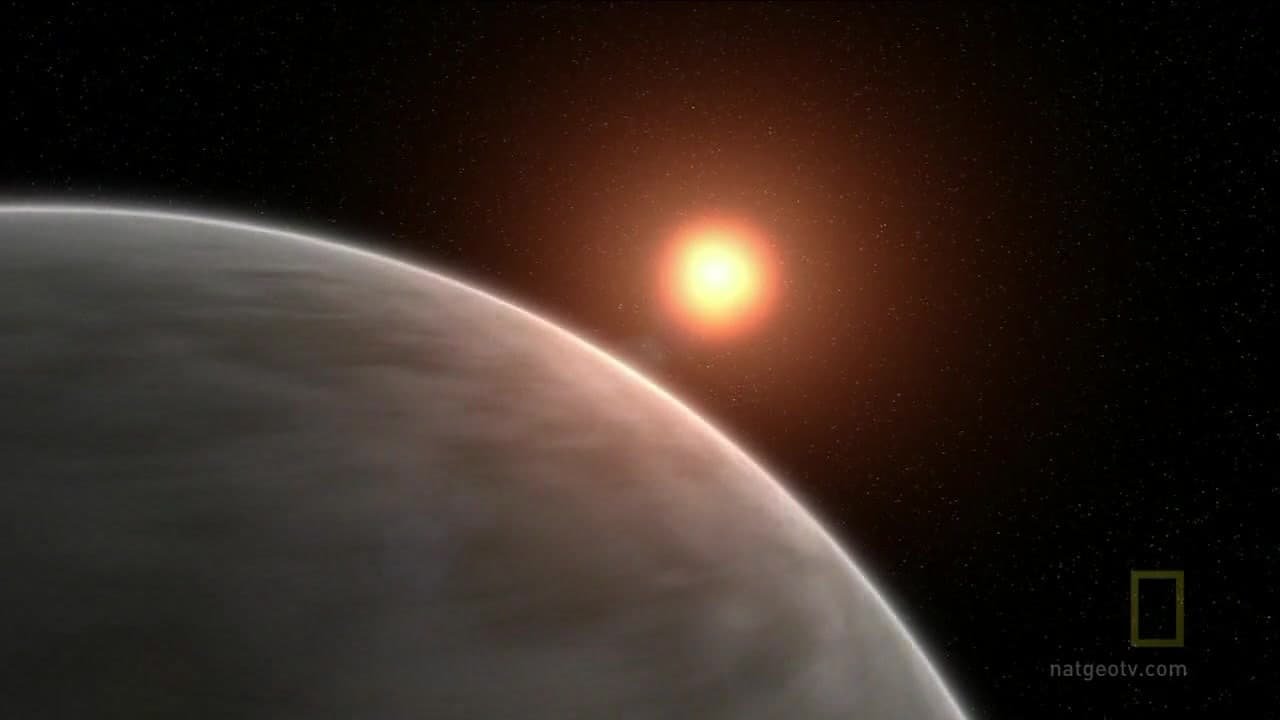
As technology has advanced, so too has the search for extraterrestrial life. The episode looks at some of the modern methods scientists are using, including the use of telescopes to study exoplanets and the search for "biosignatures" – signs of life that can be detected from a distance. Scientists discuss the importance of studying the atmosphere of exoplanets to look for chemical biosignatures like oxygen and methane, both of which are associated with life on Earth.
The hunt for alien life also involves the search for other potentially habitable environments in our own solar system. The episode explores the possibility of life on Mars, which has long been the focus of scientific interest due to its proximity to Earth and similarities to our own planet. Scientists discuss the ongoing investigation of Mars, including the search for signs of water and the potential for microbial life in its ancient soils.
Outside of our solar system, the episode looks at the SETI (Search for Extraterrestrial Intelligence) program, which involves the use of radio telescopes to search for signals that could be communicated by alien civilizations. Scientists discuss the challenges of this method, including the possibility that alien signals may not be recognizable as such and the potential for interference from natural sources or human technology.
The episode also explores some of the futuristic methods being developed for the search for extraterrestrial life, including the use of so-called "nanocraft" – tiny spacecraft that could be sent to nearby star systems to search for signs of life. The episode looks at the potential benefits of these small, relatively inexpensive probes and the cutting-edge technology being developed to make them a reality.
Throughout the episode, scientists discuss the importance of the search for extraterrestrial life, both for our understanding of the universe and for our own place in it. They also reflect on the fascination and curiosity that drives this quest, and the ongoing excitement and wonder that comes with each new discovery.
Overall, Naked Science season 7 episode 1 offers a comprehensive look at the ongoing hunt for alien life, exploring both the rich history of this scientific quest and the cutting-edge technology being used to make new discoveries. From the search for biosignatures on exoplanets to the development of nanocraft for interstellar travel, the episode showcases the breadth and depth of the scientific effort to find potential signs of extraterrestrial life – and the unending fascination with the possibility of life beyond our own planet.