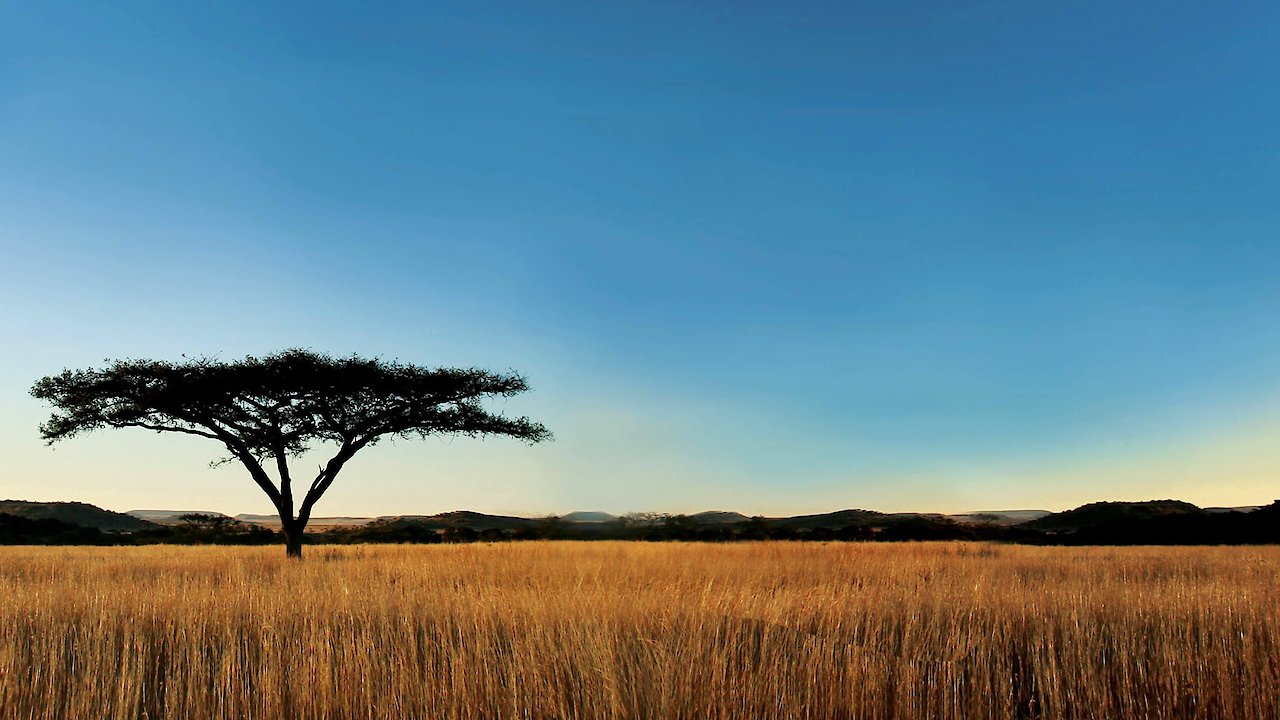
Nature Season 4 Episode 8 Emas: High Plains of Brazil
- January 5, 1986
Emas: High Plains of Brazil showcases a unique and beautiful landscape that is unlike any other on the planet. The Emas National Park is a protected area in Brazil's Cerrado biome that covers an extensive area of more than 132,000 hectares. The park is home to a variety of different ecosystems and habitats, including savannahs, wetlands, and forests.
In this episode, viewers get a rare glimpse into the lives of the animals that call Emas home. From the giant anteater to the maned wolf, the creatures found in this park are both fascinating and mysterious. Over the course of the show, viewers are treated to breathtaking footage of jaguars, armadillos, and tapirs, as well as many other species that are unique to the Cerrado.
In addition to showcasing the park's wildlife, this episode also delves into the challenges that park rangers face in their efforts to protect the Emas. Brazil's Cerrado biome is one of the most threatened ecosystems on the planet, and the park is constantly under pressure from illegal hunting, land use changes, and other forms of human encroachment. Despite these challenges, the rangers who work in the park are committed to preserving this unique and important landscape for future generations.
Throughout the show, viewers are introduced to several of the rangers who work in the park, as well as researchers who are studying the area's ecosystems. One of the key challenges that these experts face is understanding how best to manage the park's wildlife populations. For example, the park's maned wolf population needs to be carefully monitored to ensure that it doesn't become too large and start to interfere with other species.
Despite these challenges, the park remains a vital sanctuary for a wide range of species. As the footage in this episode makes clear, the Emas National Park is a truly magical place that is worth protecting. Through stunning visuals and insightful storytelling, Emas: High Plains of Brazil invites viewers on a journey to the heart of this unique habitat, shedding light on both its challenges and its incredible beauty.
