PBS Space Time Season 2019 Episode 36 Does Life Need a Multiverse to Exist?
- November 11, 2019
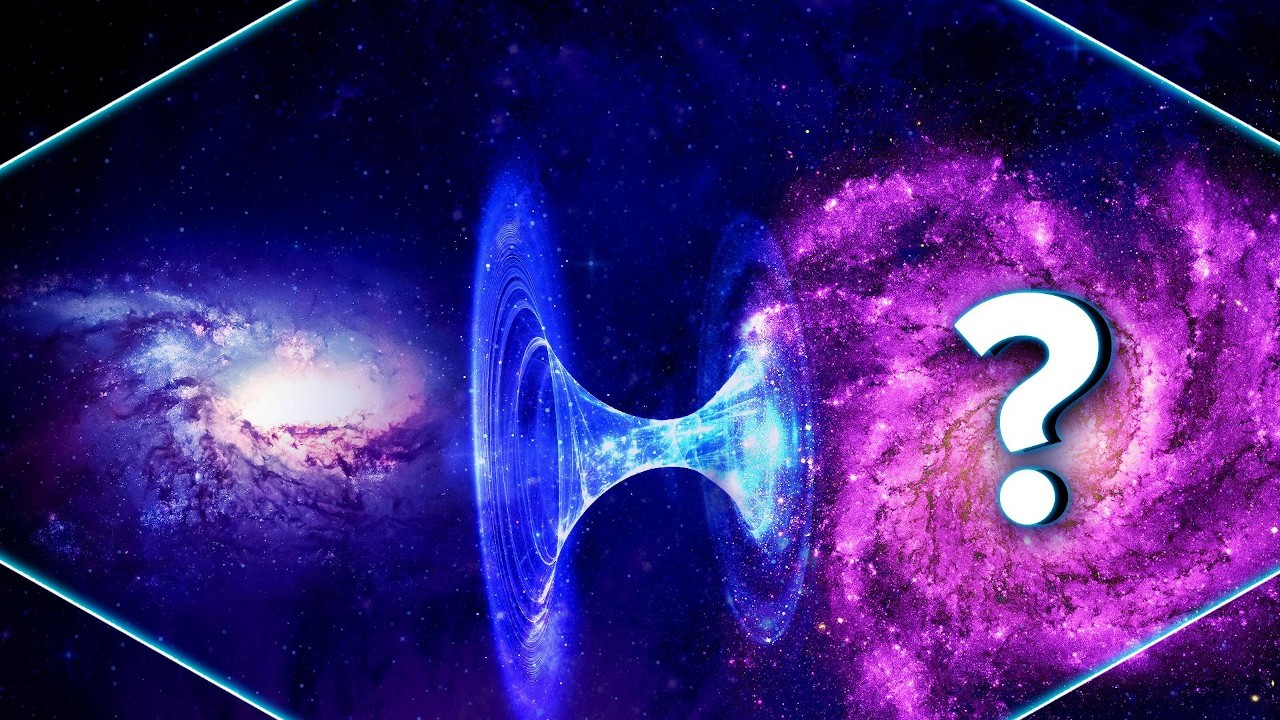
PBS Space Time season 2019 episode 36 is titled "Does Life Need a Multiverse to Exist?" and explores the concept of the multiverse and its potential role in the existence of life. The hosts begin by discussing the theory of the multiverse, which proposes the existence of multiple universes beyond our own. They outline the different types of multiverses, including the level I multiverse (also known as the "bubble universe" hypothesis) and the level II multiverse (also known as the "many-worlds" interpretation of quantum mechanics).
The episode goes on to explore the idea that the existence of a multiverse could be necessary for the existence of life. The hosts examine the "fine-tuned" universe problem, which suggests that the fundamental physical constants of our universe are precisely tuned to support the emergence of life. The hosts note that some scientists have proposed that the existence of a multiverse could explain this fine-tuning, as it would allow for an infinite number of universes with different physical constants. In this scenario, it becomes more likely that at least one of these universes would support life.
The episode also explores the anthropic principle, which states that the observed universe must be consistent with the conditions necessary for the existence of observers (i.e. us). The hosts discuss how this principle is related to the fine-tuning problem and how it might be addressed by the multiverse hypothesis.
The hosts then explore several counterarguments to the multiverse hypothesis, including the idea that it is not a testable hypothesis and the concern that it could be used as a "cop-out" explanation for the fine-tuning problem.
Overall, the episode provides a fascinating look at one of the most intriguing ideas in modern physics and explores the potential implications of the multiverse hypothesis for understanding the origins of life in the universe.