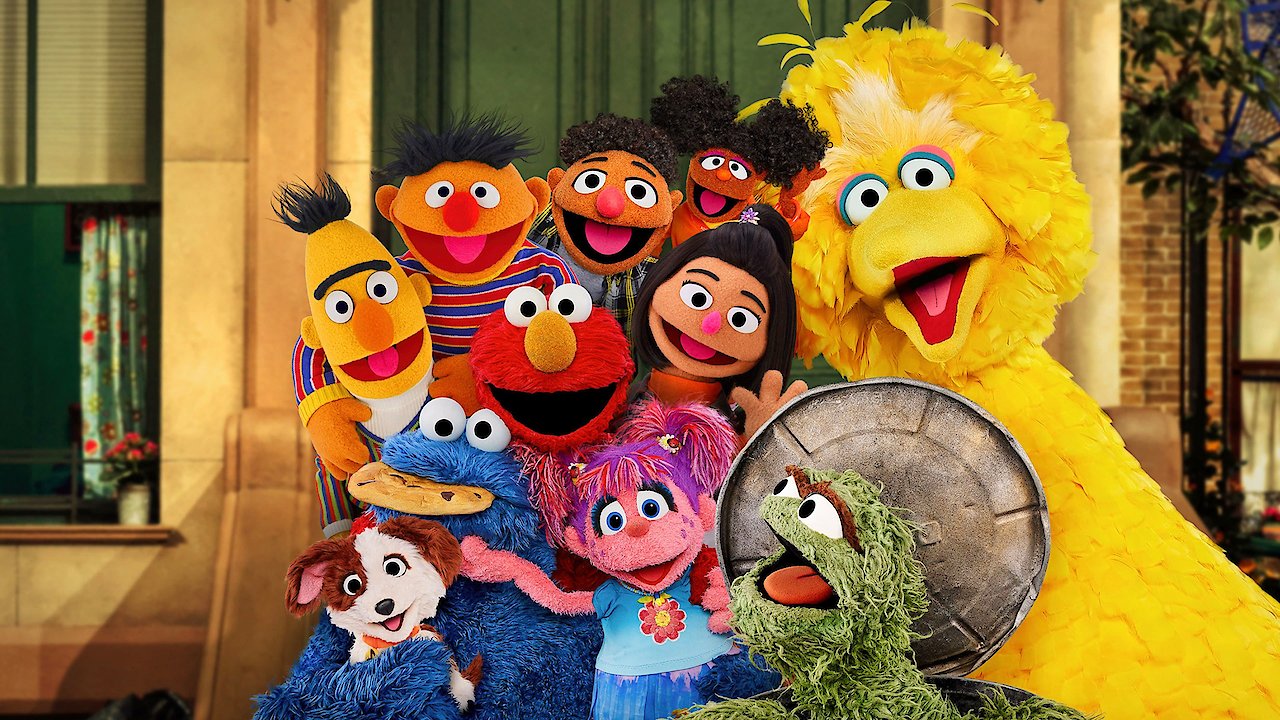
Sesame Street Season 1 Episode 16

Sesame Street Season 1 Episode 16 Episode 16

  • December 1, 1969

In episode 16 of the first season of Sesame Street, the beloved educational children's show continues to offer colorful characters, engaging storylines, and valuable lessons for its young audience. This particular episode encompasses various segments, skits, and songs, all designed to captivate and educate preschoolers.

The episode kicks off with the friendly faces of Bert and Ernie, two best friends who have contrasting personalities. Bert is meticulous and organized, while Ernie is carefree and playful. Together, they navigate the complexities of friendship as they learn how to compromise and appreciate each other's unique qualities.

Moving along, we join Big Bird, a lovable and curious giant yellow bird who resides on Sesame Street. Big Bird embarks on an exciting adventure as he tries to decipher mysterious clues, leading him to discover a hidden treasure. Along the way, he encounters various challenges that test his problem-solving abilities, fostering critical thinking skills in young viewers.

The show also introduces an educational segment known as "The Number of the Day," where various counting exercises are presented. This fun-filled segment assists children in developing their numerical skills by exploring different ways to identify and count numbers. Through engaging visuals and playful interactions, the episode facilitates a deeper understanding of numbers and their significance in everyday life.

In addition, Sesame Street always incorporates relatable real-life experiences into its episodes. During this outing, a diverse group of children is featured, allowing young viewers to feel represented and see themselves reflected on screen. These children engage in various activities and discussions, highlighting important themes such as empathy, sharing, and cultural diversity.

Another pivotal aspect of Sesame Street's first season is its commitment to nurturing emotional intelligence in children. Elmo, a furry red monster, teaches valuable lessons about emotions and self-regulation in his segment, "Elmo's World." Through playful banter and humor, Elmo delves into topics like happiness, sadness, anger, and frustration, helping young viewers to understand and appropriately express their own emotions.

The episode further emphasizes the importance of reading and literacy through the segment "Story Time." Animated and live-action stories are shared, promoting a love for books and fostering comprehension skills. These engaging narratives captivate young minds, encouraging them to embrace the joys of reading and storytelling.

Musical interludes are also a hallmark of Sesame Street, with catchy tunes that reinforce educational concepts. In episode 16, the show introduces a lively song that celebrates the joy of sharing. Through playful lyrics and vibrant choreography, children are encouraged to be generous and kind to one another, laying the foundation for positive social interactions.

As the episode nears its conclusion, Sesame Street's signature characters, such as Oscar the Grouch, Grover, and Count von Count, make appearances to entertain and educate. Each of these beloved characters brings a unique perspective to the show, enriching the overall experience for young viewers.

With its rich combination of entertaining and educational content, episode 16 of Sesame Street's first season is a delightful journey through the world of learning and fun. As children engage with the show's diverse characters, relatable stories, and engaging activities, they are provided with invaluable tools for personal, social, and intellectual growth. Sesame Street remains a beloved and enduring educational platform, inspiring generations of young minds to explore, learn, and embrace the wonders of the world around them.

This episode doesn't appear to be available from any streaming services, but watch free movies on Watch Now
Add this show to your Watchlist to get notified when new episodes are available.
Description
  • First Aired
    December 1, 1969
  • Language
    English