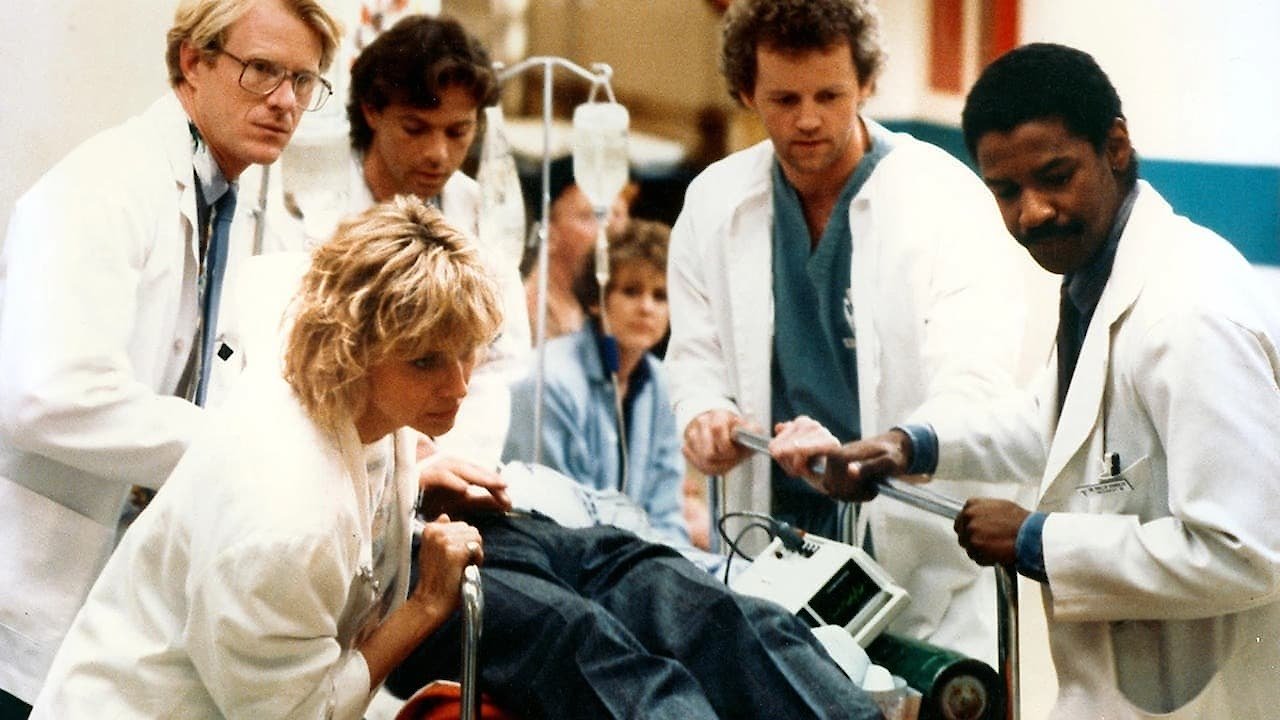
St. Elsewhere Season 4 Episode 15 Family Feud
- TVPG
- January 29, 1986
-
8.6 (52)
In the gripping episode titled Family Feud from Season 4 of St. Elsewhere, the tensions surrounding family dynamics reach a boiling point, as the narrative delves into the complexities of personal relationships intertwined with medical ethics. The episode opens with the familiar bustling atmosphere of Boston’s St. Eligius Hospital, where the seasoned staff is accustomed to both the exhilarating and tragic moments that define their daily lives.
As the story unfolds, we witness the arrival of a prominent family seeking treatment for one of their own, which serves as a catalyst for exploring the intersection of health, familial bonds, and the sometimes uneasy choices that accompany medical intervention. This family's history is steeped in secrets, unresolved conflicts, and conflicting loyalties, threading through the hospital's corridors and affecting both the staff and other patients.
Dr. Mark Craig, portrayed with his signature intensity, finds himself caught in a moral dilemma while treating the patient, as the family’s desires and expectations clash with medical realities. His character is challenged to navigate the often murky waters of patient confidentiality, informed consent, and the pressures that family can exert on medical professionals. Meanwhile, Dr. Helen Rosenthal balances her role as empathetic caregiver with her commitment to ethical standards, raising poignant questions about the influence of familial pressures on decision-making in the healthcare arena.
Simultaneously, the episode explores the effect of these familial tensions on the relationships among the hospital staff itself. Characters such as Dr. Donald Westphall and Nurse Julie Bombeck contribute to the unfolding drama with their diverse perspectives and personal experiences, showing how their own family backgrounds inform their interactions with both patients and colleagues. The dynamics of camaraderie and discord within the medical team are skillfully portrayed against the backdrop of the family's struggles, prompting deep reflection on what it means to be part of a family—whether by blood or by choice.
In parallel storylines, the episode also highlights the power of communication and the potential for reconciliation, as some family members attempt to bridge divides and heal longstanding rifts. These moments are imbued with a sense of hope and renewal, offering a counterpoint to the heavy emotional weight of the episode. The writers deftly balance the melodrama with humor and warmth, showcasing the distinct personalities of the hospital staff as they navigate their own challenges while providing care to the family in crisis.
Moreover, the theme of family is further examined through the lens of various subplots involving other characters in the hospital environment. The diverse tapestry of families connected to St. Eligius is presented, capturing the joys, struggles, and nuances of human connection in times of vulnerability. Each subplot weaves into the main narrative, enriching the viewer's understanding of how deeply intertwined our personal and professional lives can be in the face of adversity.
Family Feud skillfully escalates the tension as the clock ticks down, pushing the characters to confront their own beliefs, biases, and emotional scars. The pacing of the episode accelerates, mirroring the characters’ increasing urgency to find resolutions to their conflicts, both within the family seeking care and among the hospital staff. Emotions run high as the stakes become clearer and the need for understanding and compassion becomes paramount.
As the episode nears its conclusion, viewers are poised to witness profound character development, growth, and a deeper appreciation for the fragile nature of family ties. The moral and ethical questions posed throughout the story resonate beyond the hospital walls, inviting the audience to reflect on their own familial experiences and the complexities that come with them.
Family Feud ultimately underscores the essence of St. Elsewhere—a commitment to exploring the rich, complicated tapestry of human experience in the field of medicine, all while delivering poignant social commentary and character-driven narratives. The episode is a testament to the show's legacy, illustrating that the true essence of healing often lies in understanding, compassion, and the intricate dance of family dynamics.