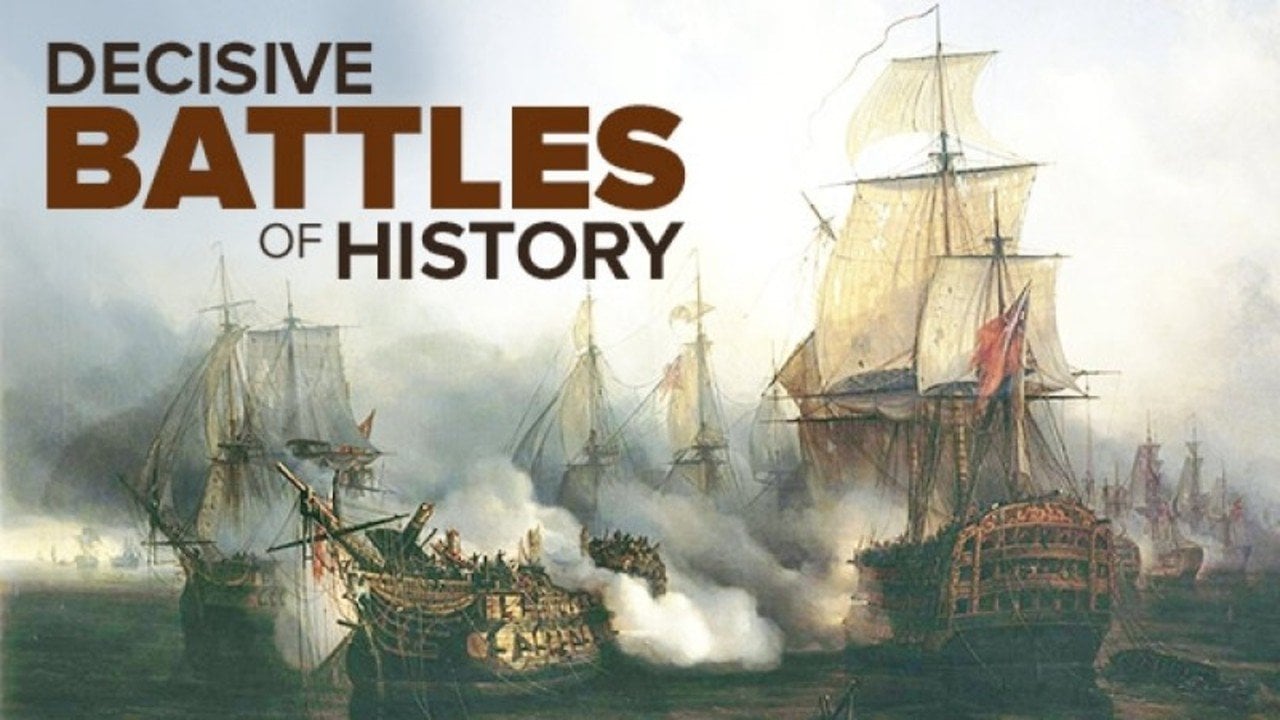
The Decisive Battles of World History Season 1 Episode 14 Frigidus, Badr, Diu: Obscure Turning Points
- TV-PG
- April 14, 2014
- 29 min
In this gripping episode of The Decisive Battles of World History, titled Frigidus, Badr, Diu: Obscure Turning Points, viewers are taken on an enlightening journey through three pivotal, albeit lesser-known, conflicts that significantly shaped the geopolitical landscapes of their respective eras. Each battle, though not celebrated in history textbooks as the great clashes of legends, had profound implications that rippled through the ages, influencing cultures, empires, and entire civilizations.
The episode begins by exploring the Battle of Frigidus, fought in 394 AD, a crucial confrontation that pitted the forces of the Roman Empire against the usurper Eugenius and his ally, Arbogast. This battle marks the tail end of a series of imperial struggles during a time when the Roman Empire was faltering under internal strife and external pressures. The episode delves into the strategies employed by the emperor Theodosius I, who not only fought with military might but also wielded the power of divine favor. As the narrative unfolds, viewers will gain insight into how this battle solidified Theodosius's position and played a significant role in the consolidation of Christianity within the empire, further pushing paganism to the fringes of society. Expert historians provide analysis of the religious, political, and military implications of this battle, emphasizing how the decisions made on that fateful day have echoes that can still be felt in modern discussions of faith and governance.
Transitioning seamlessly, the episode examines the Battle of Badr, which occurred in 624 AD during the early years of the Islamic community in Medina. This confrontation, albeit a more localized affair, was significant as it set the stage for the Muslim community's rise in authority and influence across the Arabian Peninsula. The episode presents an evocative narrative of the struggle between the nascent Islamic forces led by the Prophet Muhammad and the Quraysh tribe, showcasing not only the physical confrontation but also the profound ideological fight for survival and acceptance. Through a careful exploration of the motivations, strategies, and outcomes of the battle, viewers will come to appreciate how Badr became a symbol of faith and resilience for Muslims, thereby galvanizing their subsequent expansions into larger territories, ultimately leading to the establishment of one of history's most influential empires. Aquí, historians recount personal accounts and testimonies from combatants, illustrating the deep-seated beliefs that fueled their determination and shaped their legacy.
Lastly, the episode shifts focus to the Battle of Diu, fought in 1509 between the Portuguese and a coalition of Indian rulers, including the Sultan of Gujarat. This encounter plays a crucial role in the history of maritime trade and European colonial ambitions in Asia. As viewers navigate through the intricacies of naval warfare, the episode presents an analysis of how Diu was not just a clash of swords but a confrontation of ideologies—between burgeoning European powers and the established trade networks of the Indian subcontinent. With its rich layers of political intrigue, strategic maritime maneuvering, and the boldness of Vasco da Gama's expeditionary forces, the Battle of Diu serves as a testament to the early stages of globalization, where local economies and cultures encountered the formidable forces of European colonialism. Expert commentary elucidates on the broader economic consequences that followed Diu, including the shift in trading routes and the lasting impact on indigenous societies.
Throughout the episode, visually stunning reenactments complement the narratives, transporting viewers back to these historical moments. The blend of dramatic storytelling, expert interviews, and historical analyses provides a comprehensive look at these battles' lesser-known yet impactful narratives. Each segment is woven together thoughtfully, creating a cohesive understanding of how these pivotal moments collectively underscore the complex tapestry of world history.
Frigidus, Badr, Diu: Obscure Turning Points invites audiences to rethink their understanding of significant historical events, encouraging a deeper appreciation for the myriad battles that have shaped our modern world. Through the eyes of skilled historians and the vivid presentation of circumstances surrounding these battles, viewers will discover that even the most obscure turning points can have far-reaching consequences, forever altering the course of human history. As the credits roll, audiences are left with a heightened awareness of the intricacies of historical narratives and the interconnectedness of human experiences across time and cultures.
