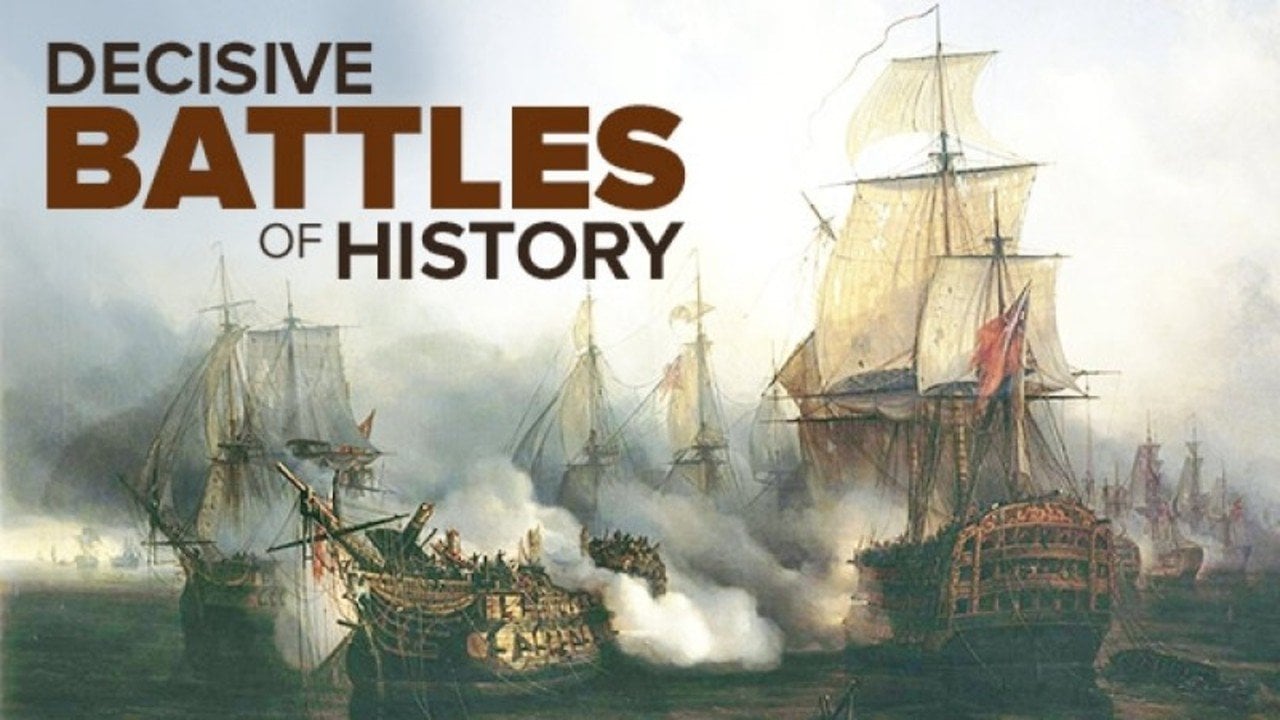
The Decisive Battles of World History Season 1 Episode 18 1571 Lepanto: Last Gasp of the Galleys
- TV-PG
- April 14, 2014
- 31 min
In season 1, episode 18 of The Decisive Battles of World History, titled 1571 Lepanto: Last Gasp of the Galleys, viewers are transported back to a pivotal moment in naval warfare that would shape the course of European history. This episode delves into the dramatic conflict of the Battle of Lepanto, which occurred on October 7, 1571, pitting the forces of the Holy League, a coalition of Christian states led by Spain, against the Ottoman Empire, one of the most formidable naval powers of its time.
As the episode unfolds, it provides a robust historical context to the events leading up to this monumental clash. Viewers learn about the intense rivalry between the Christian states and the Ottomans, who had expanded aggressively throughout the Mediterranean. The episode highlights the strategic importance of naval dominance during the period and how control of the seas was pivotal for trade, military supply lines, and the global power dynamics of the era.
The production captures the mood of the 16th century, where the Mediterranean Sea served not just as a battleground but also as a melting pot of cultures, ideologies, and religions. Eyewitness accounts and expert analysis shed light on the deep-seated motivations driving both sides into this monumental confrontation. The episode showcases the buildup of tensions that culminated in the Holy League's formation, described as a desperate yet united front against the looming threat of Ottoman expansion.
As the narrative progresses, viewers are introduced to key figures on both sides of the battle. The episode profiles Don Juan of Austria, the young and charismatic leader of the Holy League who envisioned a decisive victory to stop the gradual encroachment of Ottoman power; and the Ottoman commander Ali Pasha, whose naval expertise and bold martial spirit aimed to cement Ottoman supremacy in the region. The contrasting personalities and strategic philosophies of these commanders become focal points, illustrating how human agency can influence historical outcomes.
The episode expands on the innovative naval tactics employed during the battle. Viewers are treated to a detailed explanation of the technological advancements in shipbuilding and artillery that emerged in the years leading up to Lepanto, highlighting the transition from galleys—powered primarily by oars and used in past naval conflicts—to a new era dominated by heavily armed galleons. The battle’s unique formation and strategies, including the use of artillery and the deployment of boarding tactics, are examined, emphasizing how they illustrate the evolution of maritime warfare.
The gripping narrative continues as the day of the battle arrives, drawing viewers into the flurry of action on the water. The episode’s meticulous attention to detail offers a close-up look at the chaos and valor exhibited by sailors and soldiers on both sides. Dramatic reconstructions and stunning visuals bring to life the sights, sounds, and smells of 16th-century naval combat, making the audience feel the tension and anticipation leading up to the monumental clash.
Artistic representations from the era, along with expert commentary, are used to analyze the battle's immediate outcome and its long-term impact. The episode does not shy away from depicting the grittiness and brutality of combat, touching on the personal sacrifice of the thousands of men engaged in this epic struggle. It emphasizes the unpredictability of war and how even the best-laid plans can lead to unforeseen consequences.
The aftermath of the battle is presented with an eye toward its implications for both the Ottoman Empire and the Christian states of Europe. While the Holy League emerged victorious, questions are raised about the sustainability of their coalition and the potential repercussions for ongoing engagements in the Mediterranean. The reverberations of Lepanto in shaping cultural and political narratives in Europe, including the rise of the myth of the “Christian victory” against Islamic expansion, are explored, revealing how historical narratives are constructed in the wake of significant events.
The episode concludes with a reflective look at the legacy of the Battle of Lepanto in the context of naval warfare and its significance as the last great confrontation fought by galleys. It sets the stage for understanding how this battle was a turning point, not only in the military tactics of the time but also in the broader geopolitical landscape as both sides adjusted to the evolution of warfare in the centuries to follow. Through expert interviews, primary sources, and immersive visuals, this episode promises to enlighten viewers about one of history’s most consequential and underappreciated battles.
