The Lone Ranger Season 3 Episode 14 The Condemned Man
- TV-G
- December 11, 1952
- 25 min
-
7.7 (36)
In the thrilling episode "The Condemned Man," from the third season of The Lone Ranger, tension mounts in the expansive landscapes of the Wild West as justice and redemption take center stage. The story unfolds in a small, rugged frontier town where the community grapples with the shocking news of an impending execution. A man, accused of a crime he insists he did not commit, awaits his fate in the local jail, creating a palpable atmosphere of fear and uncertainty among the townsfolk.
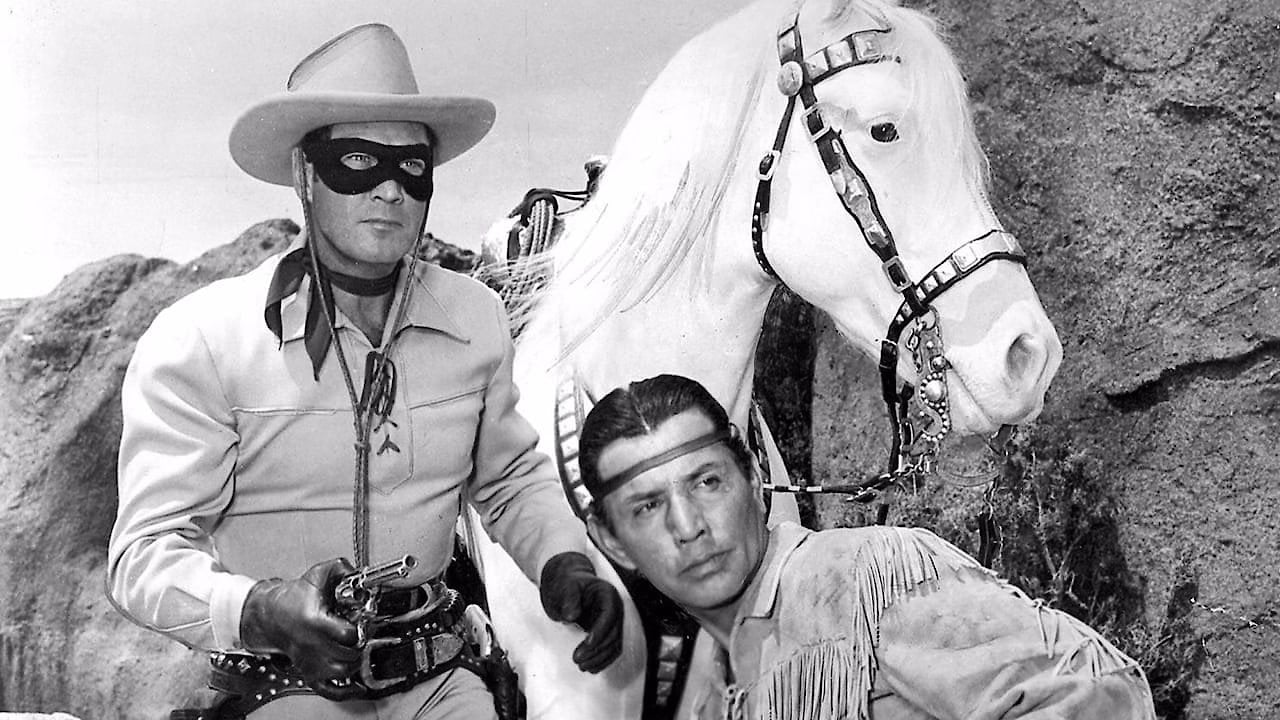
The narrative begins with the Lone Ranger and his faithful companion, Tonto, riding into the town just as whispers of the condemned man's trial and sentence echo through the streets. The menacing figure of the sheriff, a hard-nosed enforcer of the law, adds to the town's unease. The sheriff is determined to make an example out of the condemned man, believing that a swift execution will serve as a deterrent to crime and solidify his power.
As the Lone Ranger and Tonto delve deeper into the situation, they learn that the condemned man claims he is innocent of the charges laid against him—charges that stem from a robbery that turned deadly. The evidence against him appears overwhelming, yet there are glimmers of doubt in his story that pique the Lone Ranger's investigative instincts. Driven by a strong sense of justice, the Lone Ranger decides to uncover the truth behind the accusations and the circumstances that led to the man’s arrest.
The duo's investigation uncovers a web of deception and betrayal. As they interview witnesses and piece together the timeline of events, they begin to understand how the law can sometimes become corrupted and twisted by fear, prejudice, and the desperate desire for retribution. Each new piece of information leads them closer to an unsettling conclusion about the real events that transpired during the robbery and the motivations of those who have painted the condemned man as a villain.
Throughout their quest for justice, the Lone Ranger and Tonto navigate various challenges, including hostile townspeople who are quick to judge and reluctant to question the sheriff's authority. The episode is poignant in its exploration of themes such as mob mentality, the fragility of truth, and the immense weight of decisions made in the heat of emotion. As they confront the social dynamics of the town, the Lone Ranger remains steadfast in his commitment to seeing justice served, demonstrating that being a hero sometimes means standing against the prevailing winds of public opinion.
The flags of confrontation rise as the countdown to the execution ticks away. The Lone Ranger's unwavering resolve fuels a growing tension as he pushes harder to gather evidence and testimonies that could exonerate the condemned man. With Tonto's keen insights and bravery, the duo orchestrates a plan that will finally shine a light on the murky depths of the case and might just save an innocent life from the gallows.
Adding layers to the narrative is the emotional and ethical turmoil faced by the townspeople. Their fears and prejudices towards the accused man create a rich background for the unfolding drama. Characters are introduced that represent various facets of frontier life, and the viewer is invited to consider the complexity of their motivations—friends, families, and citizens torn between their loyalty to the law and their innate sense of right and wrong.
As the climax approaches, the suspense builds in a series of heart-pounding confrontations. The Lone Ranger faces off against the sheriff and his men, who are determined to proceed with the execution regardless of the evidence that suggests the condemned man’s innocence. In a race against time, the episode showcases not only the action-packed escapades typical of the series but also deep moral dilemmas that resonate with audiences both young and old.
"The Condemned Man" encapsulates the spirit of The Lone Ranger, blending thrilling storytelling with powerful ethical questions. Viewers are treated to dramatic visuals, rich character development, and a profound message about integrity, justice, and the obligation to protect the innocent. Ultimately, this episode reaffirms the Lone Ranger's role as a champion of justice, proving that even in the darkest hours, hope can flourish, and truth can prevail.
As the credits roll, viewers are left reflecting on the complexities of justice and the importance of standing up for what is right, no matter the odds. It’s a compelling addition to the Lone Ranger saga that reinforces the timeless legacy of this iconic character and his mission to uphold justice in the untamed West.