The Story of India Season 1 Episode 1 Beginnings
- TV-PG
- January 5, 2009
- 54 min
-
8.3 (48)
The Story of India is an informative documentary series that explores the rich history, culture, and spirituality of India, one of the world's oldest and most fascinating civilizations. In season 1, episode 1, named Beginnings, the show traces India's origins and evolution from prehistoric times to the ancient Indus Valley Civilization and beyond.
The episode starts with a glimpse of India's diverse landscape, from the snow-capped Himalayas to the lush forests of the Western Ghats, from the arid deserts of Rajasthan to the fertile plains of the Ganga and Yamuna. We learn that India is not only a subcontinent but also a continent in itself with a staggering array of flora, fauna, languages, religions, and ethnicities.
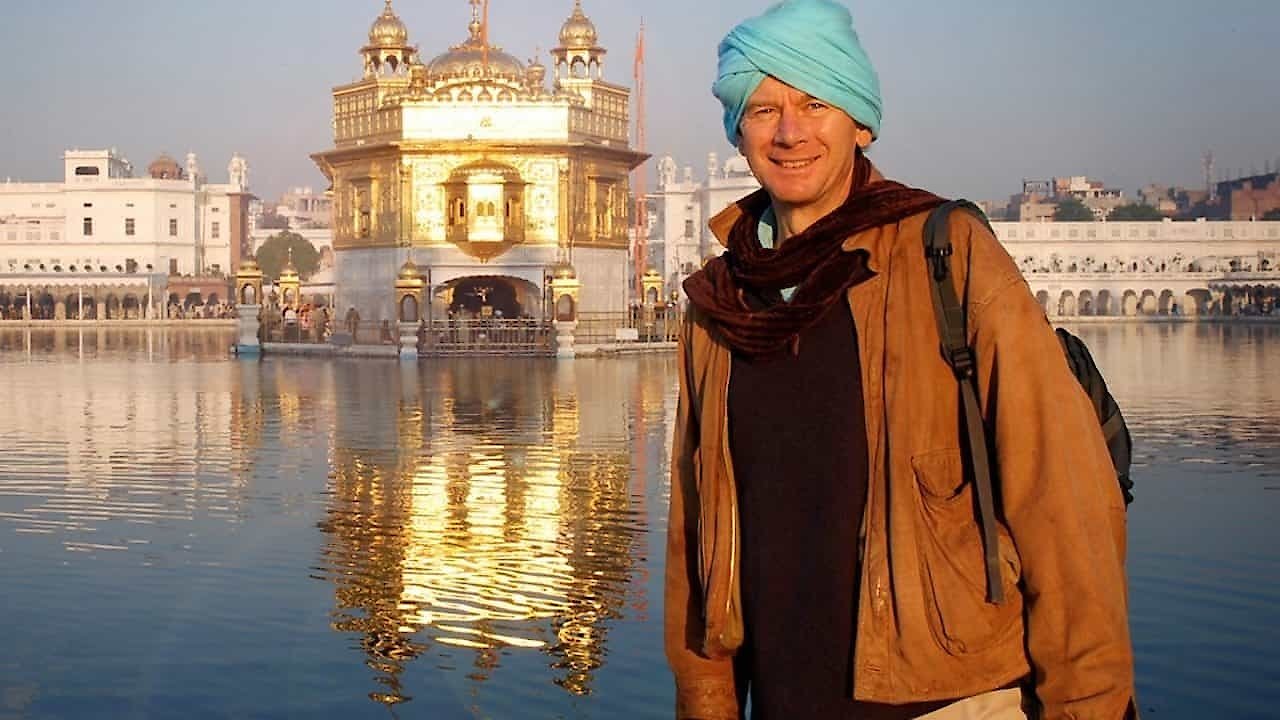
The host and historian of the show, Michael Wood, then takes us back in time to some of India's earliest known human settlements, such as the Bhimbetka rock shelters in central India, which date back to the paleolithic era. He explains how these nomadic hunter-gatherers gradually became sedentary farmers and developed a unique religious and ritualistic worldview, based on the cycles of nature and the worship of mother goddesses.
The focus then shifts to the Indus Valley Civilization, which flourished around 2500 BCE in what is now Pakistan and northwestern India. We see stunning footage of the majestic ruins of Mohenjodaro, Harappa, and other ancient cities, which are testimony to the sophistication and ingenuity of their urban planning, architecture, sanitation, and trade. We learn about the Harappan script, which is one of the world's earliest writing systems but still remains largely undeciphered. We also hear about the enigmatic figures like the dancing girl and the priest-king, whose identities and roles in the society are still debated by scholars.
The episode then explores the decline and disappearance of the Indus Valley Civilization, which is still shrouded in mystery. We see how the climate change, ecological degradation, invasion, and internal conflicts may have contributed to its downfall. We also learn about the Aryan migration theory, which posits that the nomadic pastoralists from Central Asia and Europe migrated to the Indian subcontinent around 1500 BCE and eventually assimilated the Harappans into their Vedic culture.
The rest of the episode delves into the Vedic religion and its influence on the social, political, and ethical norms of ancient India. We see how the Vedas, the oldest sacred texts in Hinduism, contain hymns, rituals, and philosophies that reflect the cosmological and moral principles of the Vedic worldview. We hear about the caste system, which is a complex and controversial social hierarchy that evolved from the division of labor during the Vedic period. We also learn about the epic stories like the Ramayana and the Mahabharata, which are not only literary masterpieces but also cultural touchstones that continue to inspire and shape the Indian psyche.
Overall, the first episode of The Story of India is a rich and engaging introduction to the complex and fascinating history of India. It showcases the beauty, diversity, and resilience of a civilization that has endured for millennia and continues to evolve in the face of modern challenges. It sets the tone for the rest of the series, which promises to explore different facets of India's past and present with equal depth and nuance.