Catch and Kill: The Podcast Tapes Season 1 Episode 5 The Editors
- TVMA
- July 26, 2021
- 23 min
-
(40)
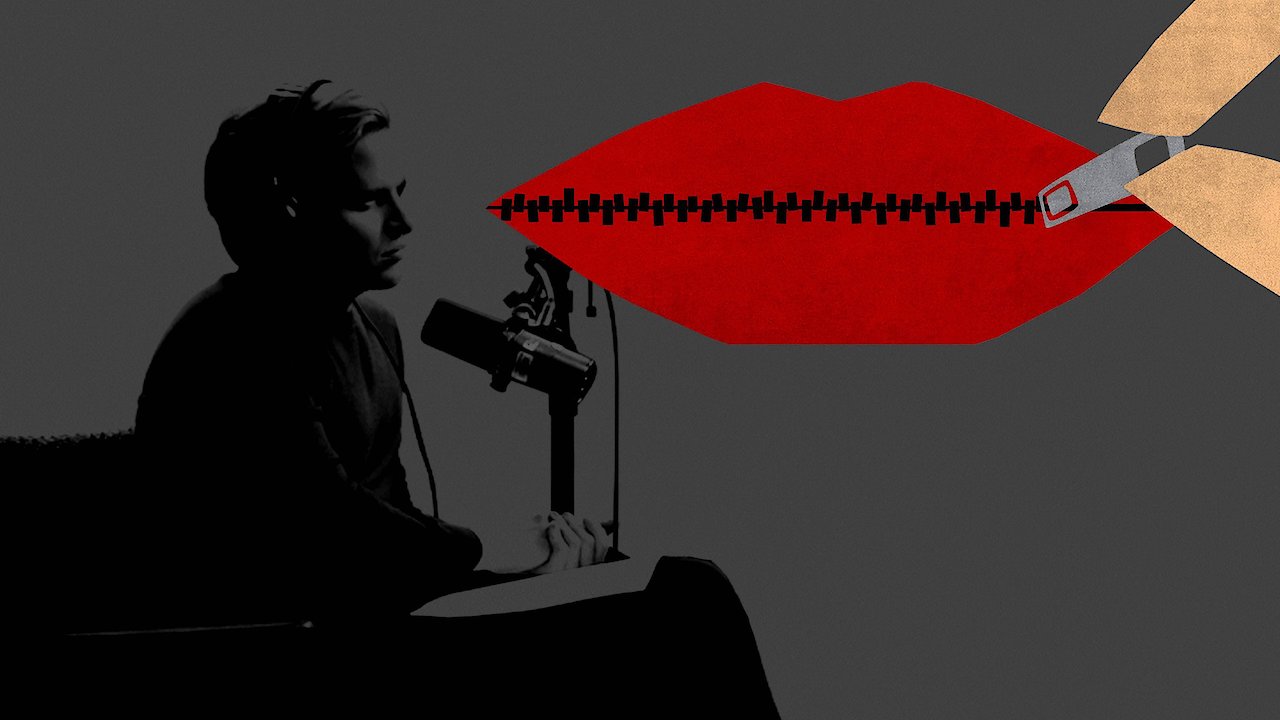
Catch and Kill: The Podcast Tapes is a true crime podcast series that explores the scandals and controversies revolving around the downfall of powerful men who have been accused of sexual misconduct. The show is based on the book of the same name by journalist Ronan Farrow, and it features interviews, recordings, and transcripts of conversations and events surrounding the #MeToo movement and the investigations of Harvey Weinstein, Matt Lauer, and other high-profile figures.
In season 1 episode 5, entitled "The Editors," Farrow delves into the complicated relationship between investigative journalists and their editors, focusing on the newsroom politics and power dynamics that can either boost or hinder the publication of important stories. The episode features interviews with several journalists who worked on Farrow's groundbreaking reporting on Weinstein, including Ken Auletta, Jodi Kantor, Megan Twohey, and Ben Wallace-Wells.
The episode starts with Farrow introducing the topic of editorial influence and how it can affect the coverage of sensitive stories, especially those involving powerful people. He notes that while most journalists strive for integrity and accuracy in their reporting, they also have to navigate the pressures and expectations of their editors, who may have their own agendas, biases, or limitations.
The first segment features Ken Auletta, a veteran writer for The New Yorker who mentored Farrow during his early years as a journalist. Auletta reflects on his own experiences with editors and publishers who were reluctant to publish his stories about the media industry and its corrupt practices, and how he learned to be persistent and strategic in order to get his work out to the public. He also discusses the role of investigative journalism in exposing abuses of power, and how it can challenge the status quo and provoke change.
The next segment focuses on Jodi Kantor and Megan Twohey, the two New York Times reporters who broke the Weinstein story in 2017, along with Farrow's own reporting for The New Yorker. The episode highlights some of the tensions and disagreements that arose among the journalists and their editors during the early stages of the investigations, and how they had to navigate conflicting demands for speed, accuracy, and sourcing.
Kantor and Twohey also discuss the challenges of dealing with sources who are afraid to come forward or who have conflicting accounts of events, as well as the risks and rewards of working on such a high-profile story. They emphasize the importance of collaboration and transparency between reporters and editors, and how they ultimately had to make tough decisions about what to include or exclude from their reporting.
The final segment features Ben Wallace-Wells, a staff writer for The New Yorker who worked with Farrow on a follow-up story to the Weinstein investigation. Wallace-Wells talks about the editorial process that led to the publication of the story, which included extensive fact-checking, legal review, and scrutiny from several layers of editors and advisors. He also reflects on the impact of the Weinstein story and the #MeToo movement on journalism and society as a whole, and how it has opened up new avenues for reporting on sexual harassment and abuse.
Throughout the episode, Farrow provides context and analysis of the issues raised by his guests, drawing on his own experiences as a journalist and his insights on the ethics and challenges of investigative reporting. He emphasizes the importance of holding powerful people accountable for their actions, and how the collaboration between journalists and editors can help to ensure that the truth comes out. Overall, "The Editors" is a thought-provoking and informative episode that sheds light on the inner workings of the media and the role of journalism in shaping public opinion and holding the powerful to account.
