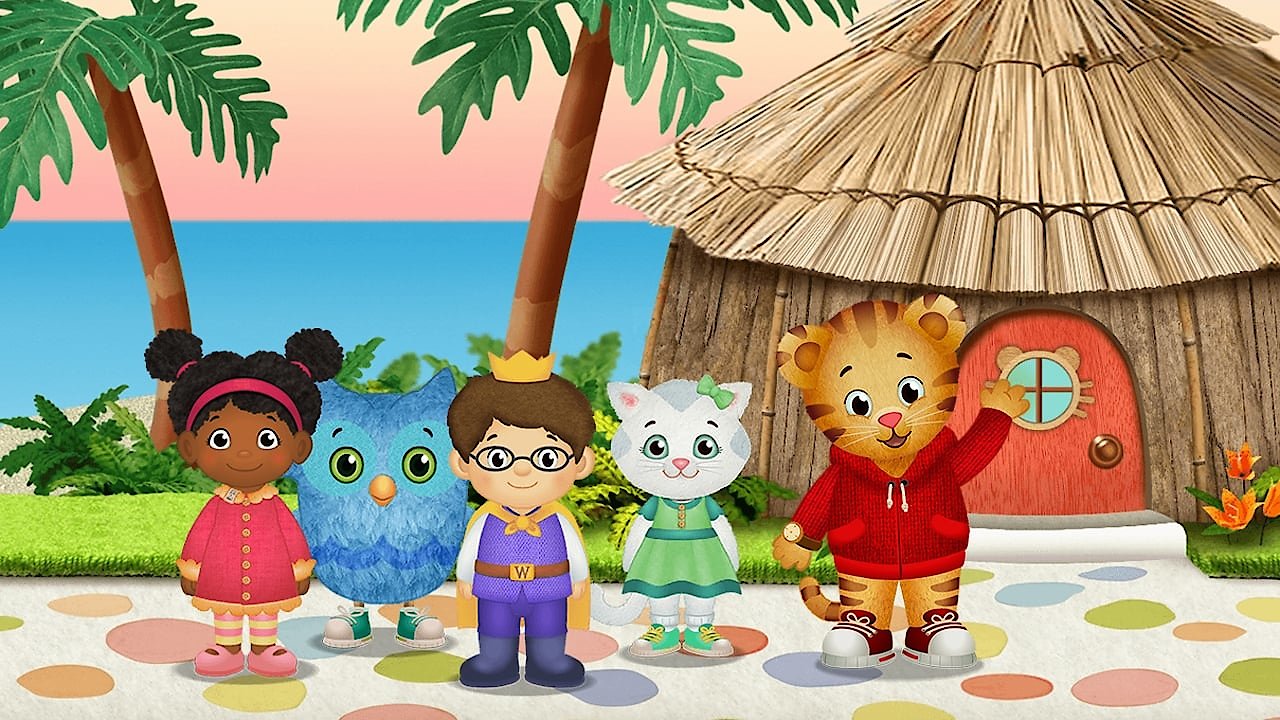
Daniel Tiger's Neighborhood Season 4 Episode 35 Mad at the Crayon Factory
- January 8, 2020
In season 4 episode 35 of Daniel Tiger's Neighborhood, titled Mad at the Crayon Factory, the beloved characters of the neighborhood engage young viewers in an imaginative adventure that highlights important lessons about emotions and problem-solving. As the episode unfolds, Daniel and his friends find themselves navigating unexpected feelings when things don’t go quite as planned.
The story begins with the neighborhood buzzing with excitement as the residents prepare for a special day at the crayon factory. Daniel Tiger, with his curious nature, is eager to learn how crayons are made, and he can hardly contain his enthusiasm. However, when Daniel and his friends arrive, things take a surprising turn. Instead of the colorful experience they anticipated, they are met with unexpected challenges that lead to feelings of frustration and anger.
Throughout the episode, children are guided through a spectrum of emotions, including disappointment and confusion, as the characters grapple with the reality of their experience. Daniel, along with his friends, learns that it's okay to feel mad when things don’t go as expected. This sentiment is poignantly illustrated through relatable scenarios that children may encounter in their own lives.
As the plot thickens, Daniel and his friends take a moment to express their feelings openly, showcasing the importance of communication. They learn valuable strategies for managing their emotions, such as talking about their feelings and finding healthy outlets for their frustration. The show emphasizes the message that anger is a natural emotion, and teaches kids that expressing these feelings constructively is key to resolving conflicts and understanding one another.
The visuals of the crayon factory, vibrant and engaging, serve as a backdrop to the emotional journey the characters undergo. The production team uses colorful animation to bring the world of crayon-making to life, allowing children to immerse themselves in the whimsical environment. As the group watches the crayon-making process, they become even more inquisitive, raising questions about creativity and the importance of expression in both art and emotions.
As the story progresses, Daniel and his friends embark on a journey to discover alternative ways to cope with their frustrations. They explore creative outlets, such as drawing and coloring, as a means to channel their feelings. The engaging activities encourage children to think about their own responses to anger and explore various ways to express themselves artistically. The characters demonstrate how art can be a therapeutic outlet, reinforcing the connection between creativity and emotional intelligence.
Additionally, the episode features the reassuring presence of Daniel's mother, who offers wisdom and support throughout the challenges they face. Her gentle guidance helps to reinforce the messages of empathy and understanding, reminding children that it is important to seek help and talk about their feelings with trusted adults.
As the characters work together to navigate their frustrations, the themes of friendship and teamwork shine through. They learn the significance of support and collaboration when emotions run high, showcasing that leaning on one another can help ease the burden of negative feelings. This aspect of the plot reinforces the importance of nurturing relationships and relying on friends during tough times.
Mad at the Crayon Factory ultimately serves as an engaging exploration of emotions, art, and friendship, leaving viewers with important tools to handle their own feelings. The episode concludes with a heartwarming resolution, highlighting growth in emotional understanding and the appreciation of creativity.
As the credits roll, young viewers are left with foundational lessons about addressing and managing various emotions, encouraging reflection on their own experiences with anger and disappointment. The show’s engaging storytelling, combined with its commitment to teaching emotional literacy, ensures that children can relate to Daniel and his friends, fostering a sense of connection and understanding.
In true Daniel Tiger’s Neighborhood fashion, this episode not only captures the essence of childhood emotions but also leaves viewers with a newfound appreciation for art and creativity as essential components of emotional expression. Through this delightful and educational experience, children are empowered to embrace their feelings and find constructive ways to cope, making it an impactful addition to the beloved show’s repertoire.
