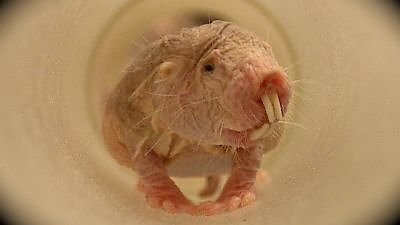
David Attenborough's Natural Curiosities Season 1 Episode 3 Young Wrinklies
- TV-PG
- February 12, 2013
- 21 min
-
8.0 (41)
David Attenborough's Natural Curiosities season 1 episode 3 titled "Young Wrinklies" explores the wonders of the animal world through intriguing pairs of creatures that share surprising similarities despite their differences. In this episode, Attenborough delves into the fascinating world of wrinkled animals that, despite their weathered exteriors, possess remarkable abilities to adapt and survive.
The episode starts with Attenborough introducing viewers to some of the oldest creatures on the planet, such as the Galápagos tortoise and species of sharks that can live for more than a century. He then switches gears to focus on wrinkled animals that may not be as long-lived but have still managed to thrive in their environments.
The first stop is the elephant seal colony, where we learn that older males with the most wrinkled skin are often the successful breeding ones. The wrinkled skin serves as an indicator of age and dominance, and females are drawn to these males due to their experience at navigating the social hierarchy of the colony.
Next up are the wrinkly-skinned pachyderms, the rhinoceroses. Despite their rugged exteriors, rhinos have incredibly sensitive skin that helps them detect predators and identify potential mates. Attenborough explores the curious connections between these animals and the myths that have sprung up around their unique traits, such as the supposed aphrodisiac properties of rhino horns.
Attenborough then moves on to study wrinkled primates, including gorillas and orangutans. Despite sharing a common ancestor with humans, these creatures display some remarkable adaptations that have allowed them to thrive in their respective habitats. Gorillas' wrinkled skin and massive bodies help them navigate the dense vegetation of their habitats, while orangutans' wrinkled faces and opposable thumbs allow them to grasp tightly onto the branches of trees and swing effortlessly from limb to limb. Attenborough's explorations of these creatures' abilities shed light on the evolutionary links between primates and humans.
The episode wraps up with a look at wrinkled sea creatures, such as the octopus and the nautilus. These creatures, with their many arms and distinctive shells, have evolved complex systems for navigating the ocean depths and avoiding predators. Attenborough's scientific insight into the wrinkled skin and shells of these creatures is illuminating, and viewers are presented with fascinating cases of how these creatures have adapted their physical qualities to survive their harsh undersea environments.
Overall, David Attenborough's Natural Curiosities season 1 episode 3 is a captivating exploration of the wonders of the animal kingdom, with a focus on the intriguing qualities of wrinkled animals. With Attenborough's expert narration and the stunning camerawork, this episode provides a fascinating glimpse into the adaptations that allow animals to survive and thrive in the wild. Fans of Nature documentaries, especially those interested in the science of animal behavior and evolution, should definitely add this episode to their must-watch list.
