Firing Line Season 13 Episode 6 Conscience and the Vietnam War
- January 29, 1978
In Firing Line season 13 episode 6 titled "Conscience and the Vietnam War," the host engages in a thoughtful and introspective discussion surrounding the ongoing Vietnam War. This crucial episode delves into the complex issue of conscience, exploring its profound impact on the conflict and the individuals involved.
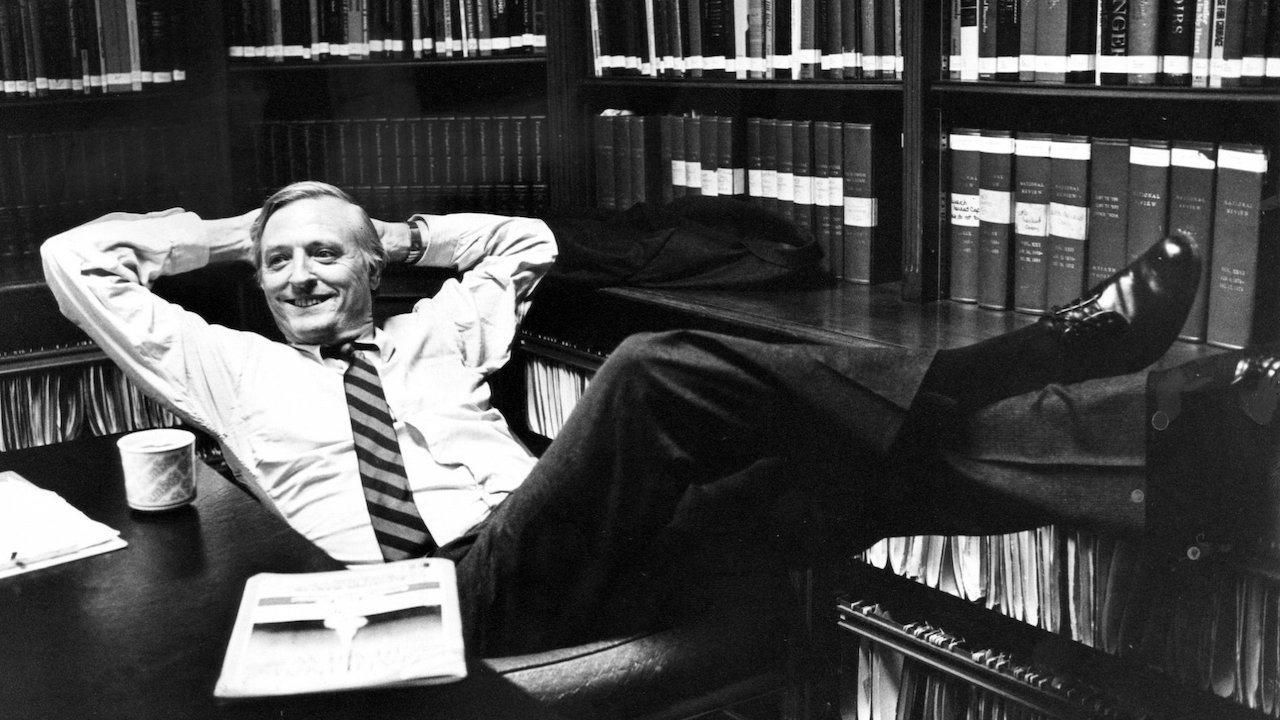
The episode begins with the host, renowned journalist William F. Buckley Jr., welcoming a panel of esteemed guests who possess a wide range of perspectives on the war. Representing distinct points of view, they include politicians, veterans, activists, and academics. This diverse panel sets the stage for a riveting and intellectually stimulating debate.
Throughout the episode, Buckley skillfully guides the conversation, encouraging each guest to express their deeply held beliefs, while also ensuring that the discourse remains respectful and insightful. The participants engage in an exchange of ideas, examining the moral dilemmas posed by the Vietnam War, the ethical obligations of individuals, and the responsibilities of both the government and the citizens during this challenging period.
By focusing on the role of conscience, the episode explores how it shapes individual decisions, political discourse, and public opinion. The guests passionately share their personal experiences and convictions, shedding light on the multifaceted aspects of the war and its impact on society.
Amidst this engaging discussion, the audience gains unique insights into the diverse motivations behind the choices made by soldiers, activists, and policymakers during the Vietnam War. The episode delves into the conflicting emotions and inner struggles experienced by those confronted with the reality of war, asking whether one can remain loyal to their conscience while also being patriotic.
Moreover, "Conscience and the Vietnam War" addresses the broader issues of dissent, moral accountability, and the pursuit of justice. The panelists passionately debate the legitimacy of anti-war protests, exploring their impact on public perception, policy decisions, and the overall outcome of the conflict. They grapple with questions surrounding the boundaries of dissent and the need for moral conviction in a society divided by war.
As the episode progresses, the guests also interrogate the role of government and media in shaping public opinion. They scrutinize the ethical responsibilities of journalists and politicians during wartime, examining whether the line between patriotism and blind obedience becomes blurred in the face of national crises.
While the discussion remains intellectually intense and multifaceted, Buckley adeptly steers the conversation to avoid polarization, ensuring that all views have a fair hearing. His notable skills as a moderator allow the panelists to share their perspectives openly while also fostering an environment of mutual respect and understanding.
"Conscience and the Vietnam War" offers an insightful analysis of the Vietnam War's impact on American society, providing a platform for thoughtful and rigorous exploration of the moral dimensions of warfare. By actively engaging with diverse viewpoints, the episode encourages viewers to reflect on the profound and lasting consequences of conflict on both national and individual consciences.
In this powerful episode of Firing Line, the audience is treated to a thought-provoking and nuanced examination of conscience, morality, and the Vietnam War. The panelists' compelling insights, coupled with Buckley's adept moderation, create a compelling and intellectually stimulating hour of television that encourages deep reflection on the human cost of war.
