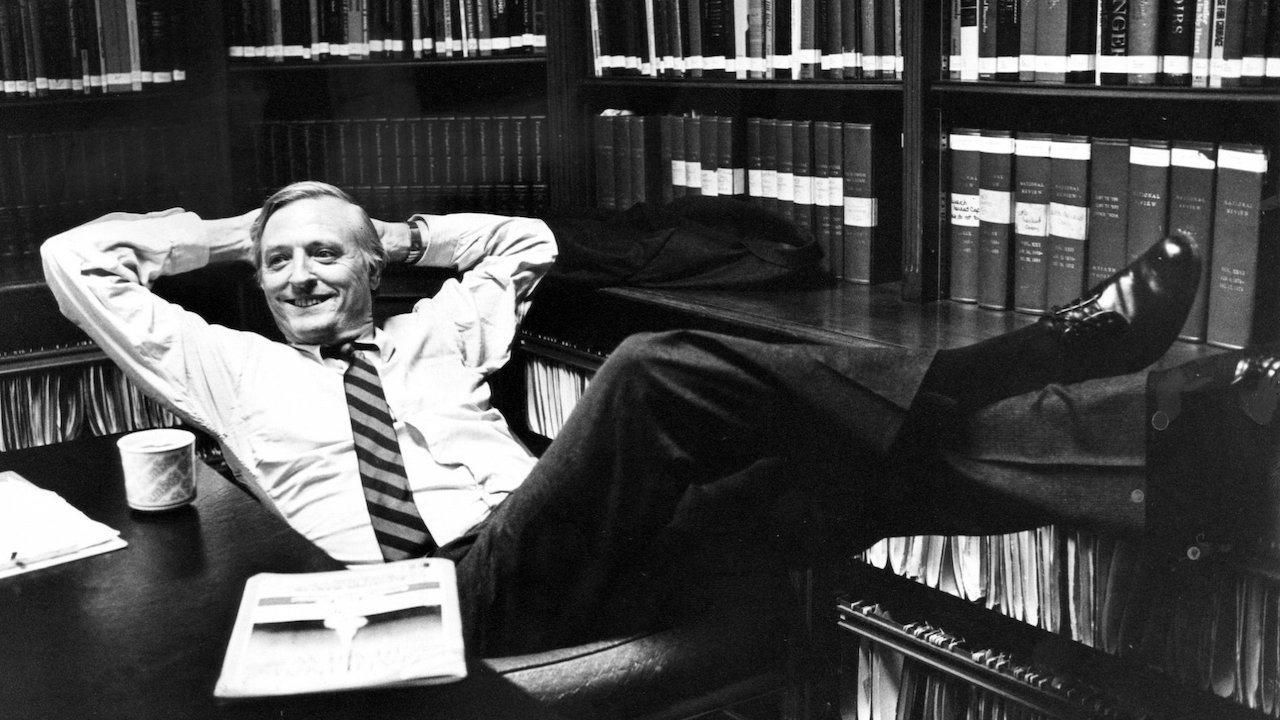
Firing Line Season 14 Episode 16 Breaking Up OPEC
- April 12, 1979
Firing Line, season 14, episode 16, titled "Breaking Up OPEC," delves into an intense and timely discussion surrounding the Organization of the Petroleum Exporting Countries (OPEC) and the potential consequences of its dissolution. Hosted by esteemed conservative intellectual William F. Buckley Jr., the show brings together a panel of expert guests to explore the implications of disbanding this influential organization.
As the episode commences, Buckley, known for his eloquence and trenchant questioning, sets the stage for a thought-provoking conversation. The panelists, consisting of prominent economists, energy experts, and policymakers, assemble with diverse perspectives on the matter. Their aim is to examine the potential impact and challenges associated with a hypothetical breakup of OPEC.
The episode begins by outlining the historical significance and objectives of OPEC. The panelists acknowledge the crucial role that OPEC, founded in 1960, has played in controlling global oil prices by virtue of its widespread production dominance. They recognize the immense influence wielded by OPEC nations, particularly the wealthier Gulf countries, and the potential consequences if this collective were to dissolve.
To gauge the implications of ending OPEC, the discussion explores the scenarios that may arise in a post-OPEC world. The panelists address critical economic factors, including the impact on oil prices, global energy security, and market stability. They analyze the potential consequences for both oil-exporting and oil-dependent nations, as well as the possible geopolitical destabilization that may ensue.
Furthermore, the panel dives into the intricacies of OPEC's decision-making process and its ability to enforce production quotas among member nations. They weigh the pros and cons of OPEC's coordination efforts, examining whether its dissolution could lead to increased market volatility or, conversely, enhanced market competition.
Buckley, renowned for his intellectual rigor, poses challenging questions to the panelists, encouraging them to defend their viewpoints and probe alternative perspectives. The conversation shifts to the potential impact on renewable energy sources in a post-OPEC era. The experts debate whether a world without OPEC would expedite the transition to cleaner, sustainable energy or postpone necessary reforms due to a potential competitive scramble for fossil fuels.
As the episode progresses, the panelists highlight the differing interests and bargaining power within OPEC and explore whether the collective, as a whole, serves as an effective mechanism for advancing the economic and political goals of member nations. They consider the implications of OPEC's monopoly on the global oil market, questioning whether its dissolution would result in a fairer and more efficient allocation of resources.
Throughout the episode, Buckley artfully steers the discussion, provoking insightful and informed responses from the panelists. By inviting various perspectives to the table, he ensures that viewers are presented with a well-rounded understanding of the complex interplay between OPEC, global energy markets, and geopolitics.
"Breaking Up OPEC" concludes by summarizing the main arguments and conclusions reached during the episode. The panelists' diverse opinions reflect the nuanced and multifaceted nature of the subject matter. Viewers are left with a deeper appreciation of the potential consequences encompassing oil prices, energy security, market volatility, and geopolitical equilibrium following a hypothetical dissolution of OPEC.
Overall, this episode of Firing Line delves into the intricate dynamics surrounding OPEC and its future. By bringing together a panel of distinguished experts, the episode offers a comprehensive exploration of the global implications that would arise from breaking up this influential organization.
