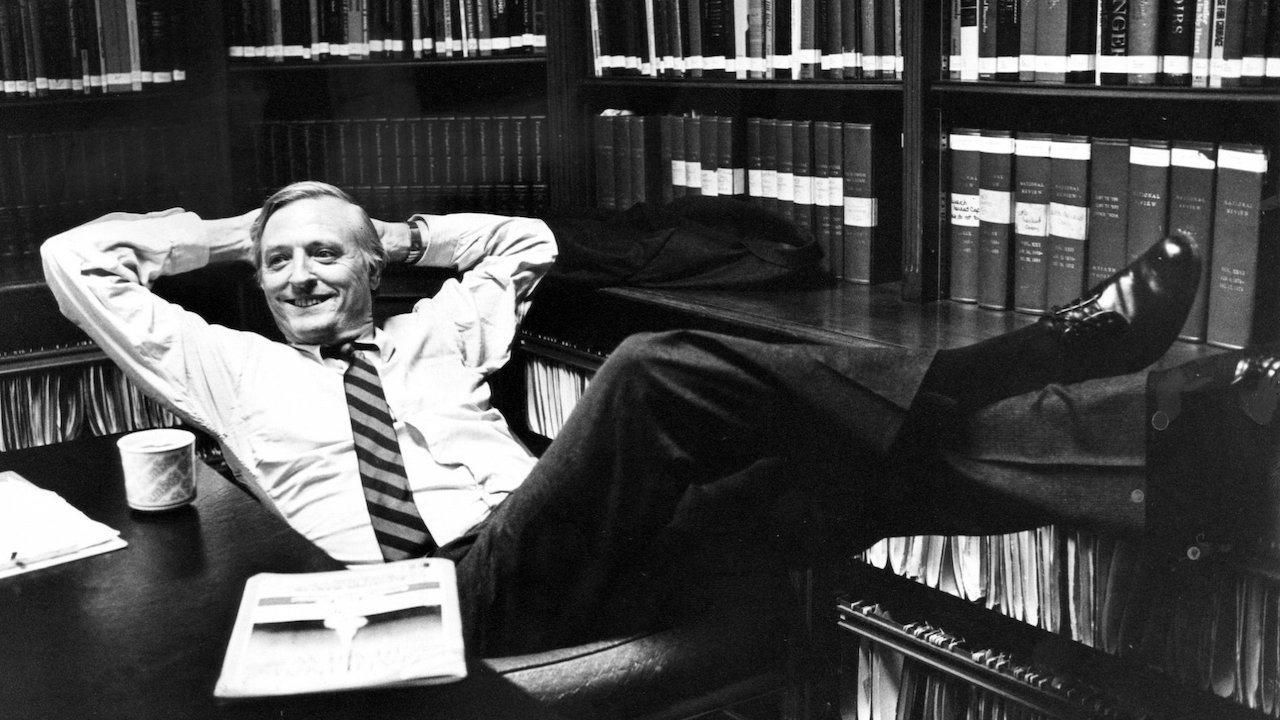
Firing Line Season 26 Episode 4 Momentous Changes in Eastern Europe
- January 15, 1991
In season 26, episode 4 of Firing Line, titled "Momentous Changes in Eastern Europe," viewers are taken on a captivating journey into one of the most significant periods in European history. Hosted by the venerable William F. Buckley Jr., this episode explores the seismic shifts occurring in Eastern Europe during the late 1980s.
The episode commences with a brief introduction to the historical context, as the Iron Curtain, which had divided Europe for four decades, began to crumble. The fall of the Berlin Wall in 1989 served as a catalyst for a series of political, social, and economic changes that reshaped the region. Firing Line delves into these momentous events, elucidating the key players, ideologies, and the profound impact of these changes.
Throughout the episode, Buckley engages in insightful conversations with a variety of guests, including renowned politicians, scholars, and experts in Eastern European affairs. This diverse range of perspectives enriches the discussion and provides viewers with a comprehensive understanding of the complex dynamics at play during this transformative era.
The episode examines the role of perestroika, initiated by Soviet leader Mikhail Gorbachev, and the rise of pro-democracy movements across Eastern Europe. Guests offer their interpretations of the motivations behind Gorbachev's openness to reform and the subsequent ripple effects it had on neighboring countries. The discussions shed light on the challenges faced by those demanding change and the strategies they employed to achieve their goals.
Firing Line also delves into the role of key Eastern European leaders, such as Lech Walesa in Poland and Vaclav Havel in Czechoslovakia, as well as the unique circumstances in each country that propelled them to prominence. By examining these figures on an individual level, the episode creates a nuanced picture of the diverse paths taken towards democratic reforms.
In addition to political transformations, the episode explores the profound social and cultural changes occurring in Eastern Europe. Guests discuss the effects of newfound freedom on artistic expression, such as the flourishing of art, literature, and music. They also address the challenges of transitioning from state-controlled economies to market-based systems, highlighting the successes and stumbling blocks encountered along the way.
Firing Line further explores the diplomatic implications of these momentous changes in Eastern Europe. The episode examines the reactions and policies of Western nations, particularly the United States, towards these developments. Discussions revolve around the impact of the changing geopolitical landscape on global dynamics and the opportunities and challenges it presented for international relations.
Throughout the episode, viewers are treated to archival footage and photographs that provide a visual backdrop to the discussions, immersing them in the dynamic events of the time. This multimedia approach enhances the storytelling and enables viewers to witness firsthand the elation, uncertainty, and hopes of those living through these transformative moments.
Ultimately, Firing Line's "Momentous Changes in Eastern Europe" offers an in-depth exploration of one of the most significant periods in European history. The episode showcases the resilience, courage, and aspirations of the people of Eastern Europe as they fought for freedom, democracy, and a new future. By examining the political, social, economic, and cultural dimensions of these changes, viewers gain a comprehensive understanding of the profound impact and lasting legacy of this pivotal era.
