Food: Fact or Fiction? Season 4 Episode 14 Play With Your Food
- February 14, 2019
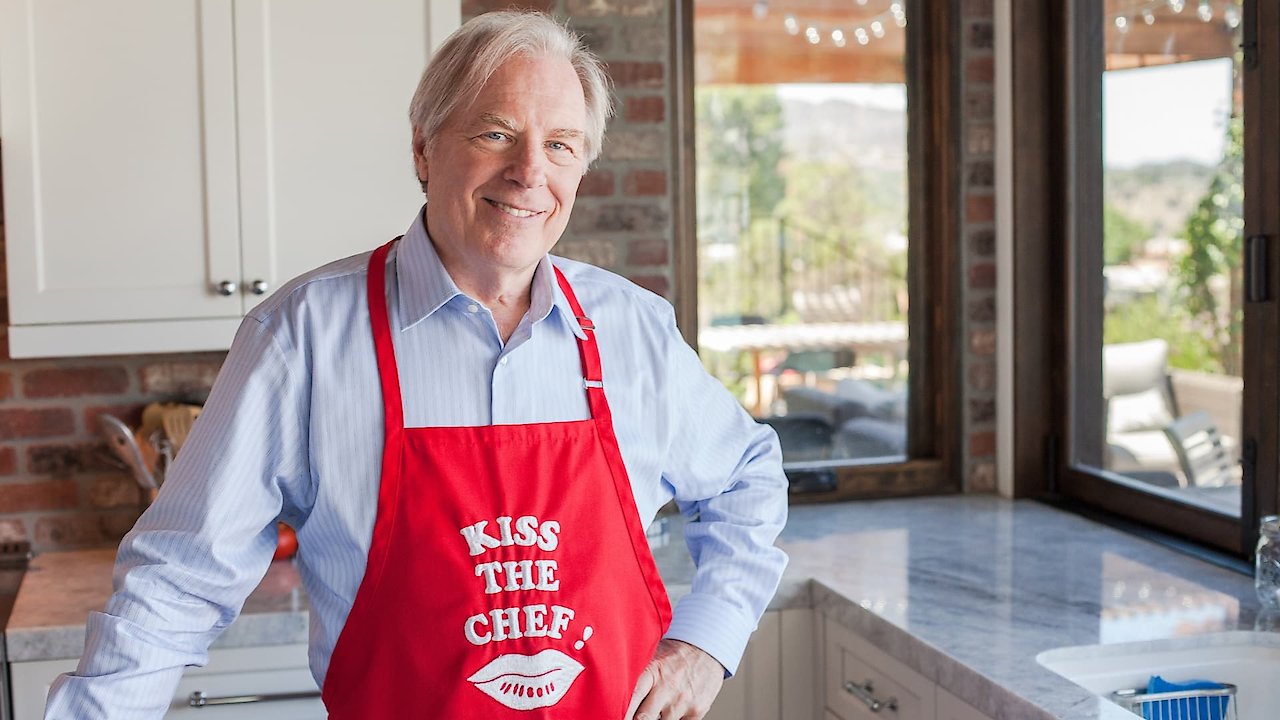
In season 4, episode 14 of Food: Fact or Fiction?, titled "Play With Your Food," host Michael McKean explores the playful side of food and how it has been used to entertain and toy with people throughout history.
The episode kicks off with a look at the origins of the classic children's game, "Hot Potato," which stems from the Victorian era and the tradition of passing around a heated potato as a party game. As Michael dives deeper, he discovers a bizarre variation of the game that involved passing around a live hedgehog, much to the amusement of the upper-class party-goers who were in attendance.
Moving on from the strange world of hedgehog games, Michael explores the concept of "food as entertainment" and how it has been used to create interactive experiences for diners. From the Japanese practice of making food that looks like everyday objects, such as shoes and cameras, to the trend of "dinner theater" that became popular in the 1950s, Michael highlights the ways in which people have used food to liven up their dining experiences.
Next, Michael takes a closer look at the phenomenon of "food fights" and how they have been portrayed in popular culture throughout the years. From the iconic pie fight scene in the 1963 comedy film The Great Race to the infamous "Bluto's cafeteria scene" from the 1978 film Animal House, Michael explores how food fights have been used as a comedic device in film and television.
But food fights aren't always just for laughs, as Michael discovers when he looks back at the long-standing tradition of tomato throwing in the Spanish town of Bunyol. The annual event, which dates back to the mid-20th century, sees thousands of people gather in the streets to toss tomatoes at each other in a messy and joyous celebration.
Finally, Michael brings the focus back to the kitchen as he examines the role that food plays in classic children's games such as "Battleship" and "Tic Tac Toe." Using food items as game pieces, such as using Cheerios and Froot Loops to play Tic Tac Toe, not only adds a playful element to the game but also helps children develop their motor and cognitive skills.
Throughout the episode, Michael showcases the many ways in which food can be used not only as a source of sustenance but also as a source of fun and entertainment. With a mix of history, pop culture, and everyday kitchen creativity, "Play With Your Food" is an engaging and informative exploration of the lighter side of food.