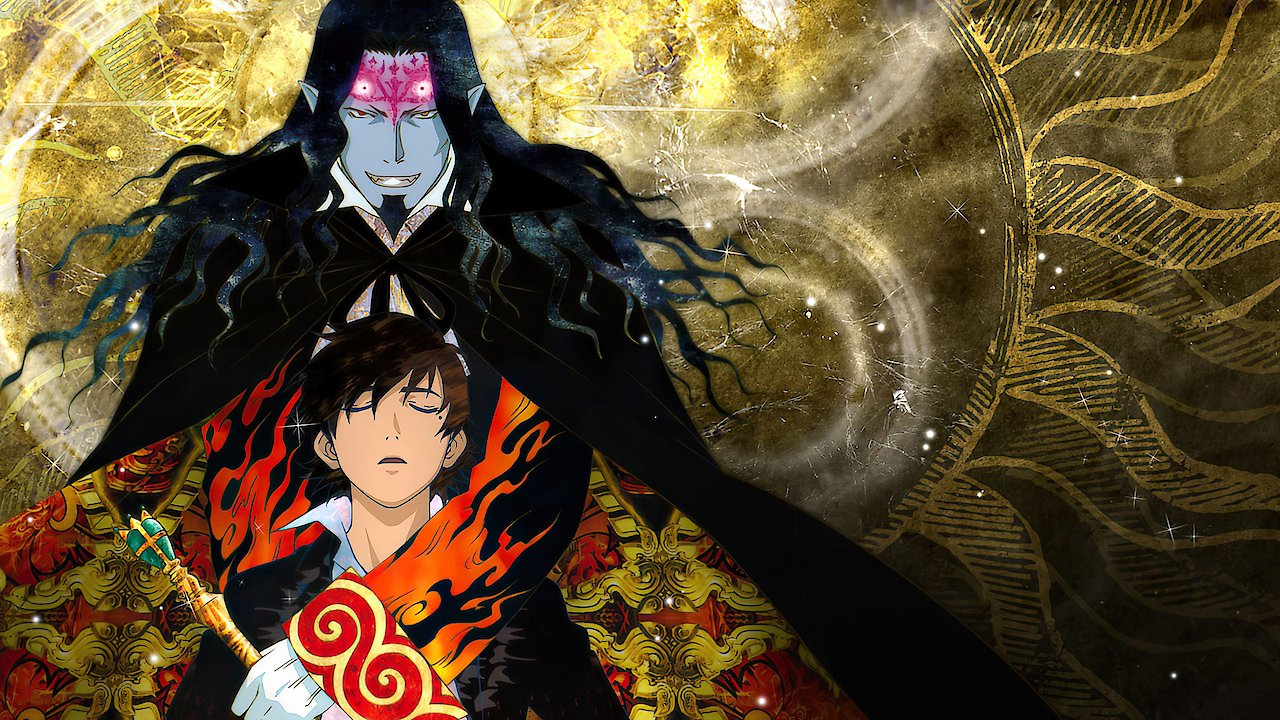
Gankutsuou: The Count Of Monte Cristo Season 1 Episode 19 If I had become unlike myself
- TV-MA
- February 22, 2005
- 23 min
In episode 19 of Gankutsuou: The Count of Monte Cristo, titled If I had become unlike myself, viewers continue to delve into the complexities of revenge, identity, and the cost of transformation. The narrative intertwines the paths of the main characters, unveiling deeper layers of their motivations and struggles, as the repercussions of their actions reverberate through their relationships and aspirations.
The episode opens with an air of tension that has been building throughout the season. Edmond Dantès, the enigmatic Count of Monte Cristo, finds himself at a critical juncture, where the masks he wears begin to feel increasingly constraining. His metamorphosis from a wronged sailor to a figure of power and vengeance has made him a formidable presence in Parisian society, but this transformation raises profound questions about who he has become and what he may have sacrificed along the way.
Dantès interacts with key players in his grand scheme, each conversation steeped in layers of subtext that hint at the emotional toll of his quest for retribution. His interactions with the families of those who betrayed him—particularly the Villeforts and the Danglars—shine a spotlight on the procedural precision of his plans, while also revealing moments of vulnerability that clash with his vengeful façade. The dichotomy of his character is laid bare; he is both an architect of ruin and a shadow of the man he once was.
The episode also dives into the consequences of Dantès’ actions on those around him, shedding light on the personal toll the pursuit of vengeance takes on innocent lives. Figures such as Albert de Morcerf, who becomes increasingly intertwined with the Count, are drawn into the web of deceit and ambition that envelops Dantès. Albert’s growing admiration for the Count serves as a foil to his naïve understanding of the world, creating a palpable tension as he remains unaware of the underlying schemes that could threaten everything he holds dear.
In parallel, the episode explores themes of loyalty and betrayal through the eyes of Haydée, the enigmatic princess whose past is intricately connected to Dantès. Her relationship with the Count becomes more nuanced, as she grapples with the duality of her feelings—both admiration and unease. The emotional landscape of their interactions adds depth to the narrative, prompting reflections on identity and the intersections of fate that bind their destinies.
Visually, the episode maintains the signature aesthetic of Gankutsuou, employing a distinctive use of colors and patterns that enhance the narrative’s emotional resonance. The animation style, characterized by its unique textures, mirrors the characters’ turmoil as they navigate their entangled fates. Scenes transition seamlessly between grandeur and intimacy, capturing the dichotomy of Parisian opulence and the internal struggles of its citizens.
As the plot unfolds, the narrative drives home the idea of transformation—asking whether one can truly change without losing essence. Dantès wrestles with his altered reality, forcing the audience to consider what it means to become “unlike oneself.” This contemplation resonates not only with the Count but also with the supporting characters, each confronting their own choices and the paths they have chosen.
The episode sets the stage for pivotal revelations, expertly crafting an atmosphere rife with suspense and foreboding. As the stakes escalate, viewers are left to ponder the ever-present question of justice versus revenge. Dantès’ journey illustrates the complexities of morality and the shadows that can cloud one’s judgment, leading to devastating repercussions for himself and those entwined in his plans.
Ultimately, If I had become unlike myself encapsulates the essence of Gankutsuou: The Count of Monte Cristo, blending rich character development with a poignant exploration of themes that transcend the narrative itself. As viewers navigate through the emotional and psychological landscapes of the characters, they are invited to reflect on the nature of vengeance and the human condition, making this episode a compelling chapter in the unfolding saga of Edmond Dantès. Each revelation and emotional beat contributes to the cumulative tension of the series, leaving audiences eagerly anticipating what lies ahead in this gripping tale of betrayal and redemption.