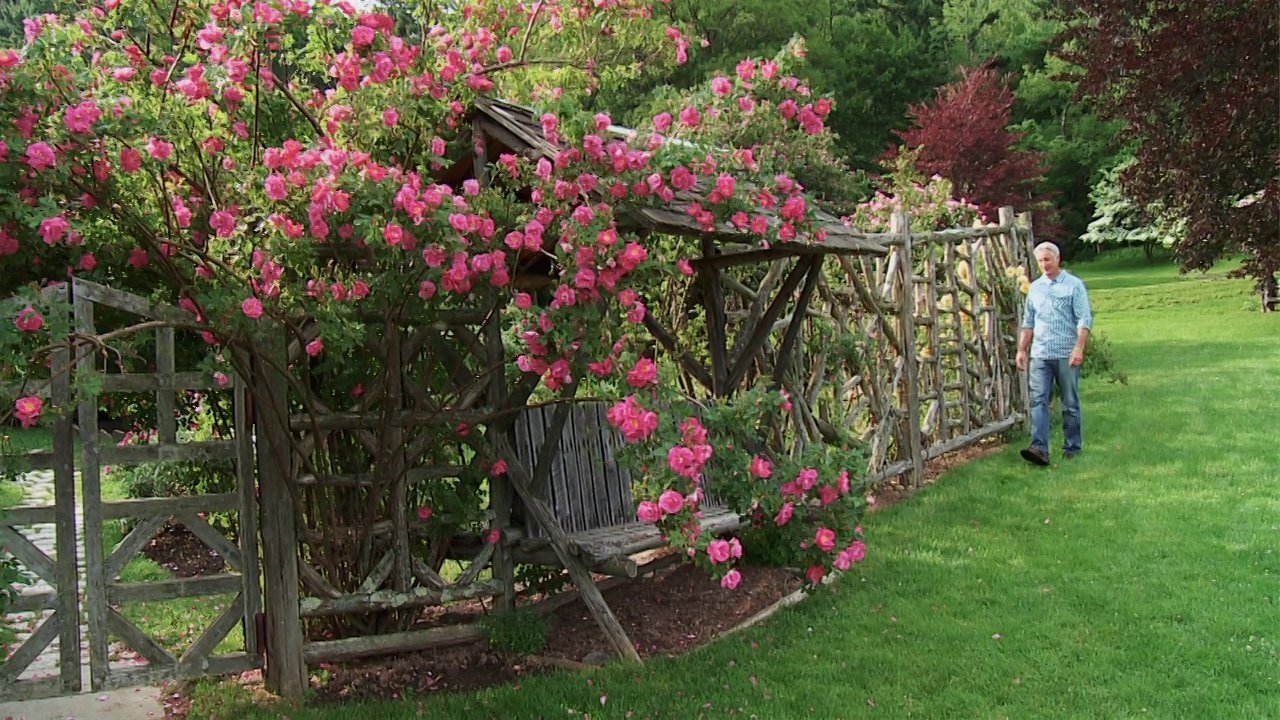
Growing a Greener World Season 7 Episode 6 Beyond Organic Gardening: The Principles of Permaculture
- August 6, 2016
Beyond Organic Gardening: The Principles of Permaculture is the sixth episode of the seventh season of Growing a Greener World. This episode introduces the concept of permaculture, which encompasses sustainable agriculture practices to create self-sufficient ecosystems that reduce the carbon footprint and promote ecological diversity.
The episode starts with host Joe Lamp’l interviewing Jerome Osentowski, a permaculture expert who designed and built a greenhouse in the Colorado Rockies that produces tropical fruits and vegetables year-round while consuming minimal energy. Jerome’s greenhouse is an excellent example of how permaculture principles can be applied to gardening, making it sustainable, regenerative, and organic. Joe and Jerome walk through the greenhouse to show viewers the various systems installed to maintain the greenhouse’s ecosystem, such as solar heating, rainwater harvesting, composting, and soil remineralization.
The second segment of the episode features a tour of a permaculture farm in Georgia, where Tia Meer, a permaculture designer, explains the principles of permaculture and how they can be applied to any plot of land, regardless of size. Tia demonstrates some critical features of permaculture design, such as companion planting, building soil health, no-till farming, and planting cover crops to fix nitrogen in the soil. She also explains how permaculture practices can reduce the need for irrigation, fertilizers, and pesticides while promoting biodiversity and soil regeneration.
The third segment features an interview with Toby Hemenway, the author of Gaia’s Garden: A Guide to Home-Scale Permaculture, who explains the origins of permaculture and how it can be applied to both personal and regional ecosystems. Toby highlights the importance of observing natural patterns and processes when designing and building permaculture systems. He also talks about how permaculture can be applied to urban settings, enabling communities to become more self-reliant, green, and resilient.
The final segment features another interview, this time with Brad Lancaster, the author of Rainwater Harvesting for Drylands and Beyond. Brad stresses the importance of water conservation and how permaculture principles can be used to harvest rainwater and store it for future use. He talks about some innovative ways in which rainwater harvesting can be implemented, such as building swales, rain gardens, and living roofs. Brad also emphasizes how rainwater harvesting can reduce the demand for municipal water while promoting soil health and plant growth.
The episode concludes with Joe summarizing the key takeaways from the episode. He highlights how permaculture principles empower people to take control of their food sources and reduce their carbon footprint. He also emphasizes the importance of observing natural patterns and processes, promoting biodiversity, and conserving water. Joe concludes the episode by encouraging viewers to apply permaculture practices to their gardens, farms, and communities to create sustainable, regenerative, and organic ecosystems for the benefit of the planet and future generations.
Overall, Beyond Organic Gardening: The Principles of Permaculture is an excellent introduction to permaculture and how it can benefit individuals, communities, and the environment. The episode provides practical ideas and tips for viewers interested in implementing permaculture practices in their gardens and farms while highlighting the importance of sustainability and regenerative agriculture. The interviews with experts in permaculture, rainwater harvesting, and sustainable agriculture provide valuable insights that can inspire and empower viewers to take action and make a positive difference in their communities and the world.
