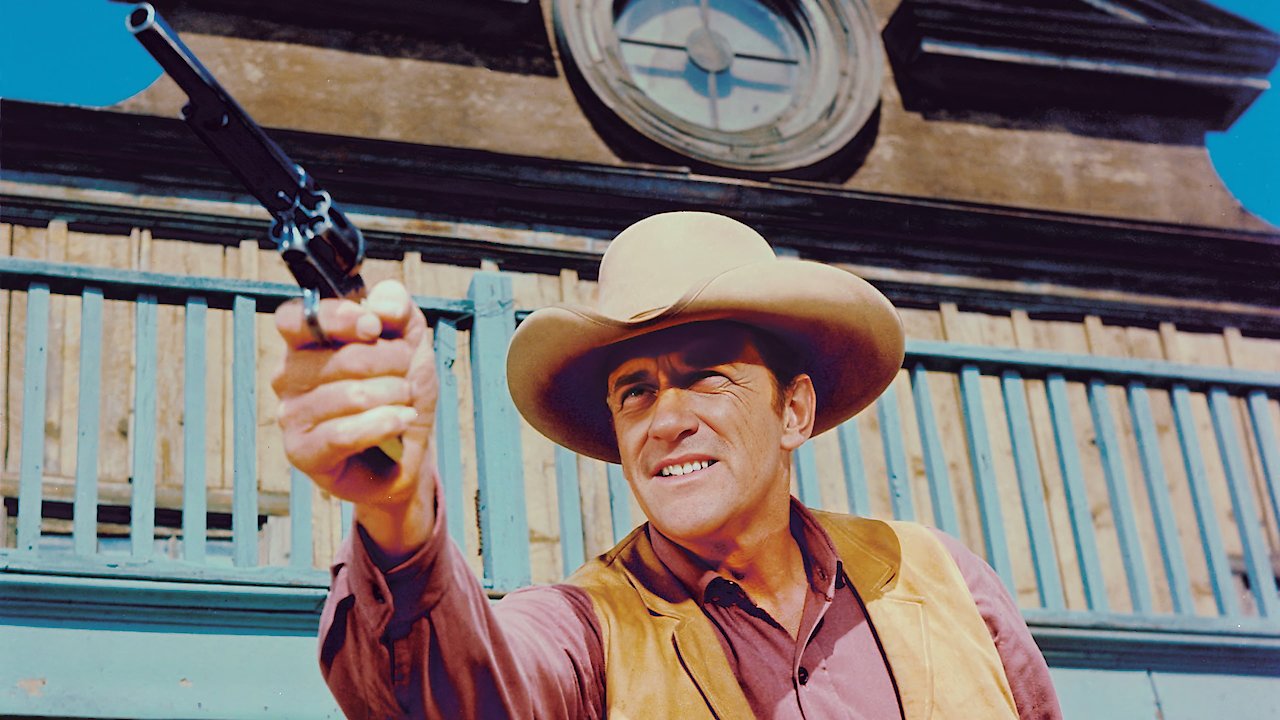
Gunsmoke Season 4 Episode 96 Ep 96 - Cheyennes
- January 1, 1959
Gunsmoke, a classic Western television series that aired from 1955 to 1975, delves into the tumultuous life of Marshal Matt Dillon, who is dedicated to maintaining order and justice in the lawless frontier town of Dodge City, Kansas. Season 4 offers a gripping lineup of episodes that showcase the struggles, challenges, and moral dilemmas faced by Dillon, his steadfast friends, and the colorful inhabitants of Dodge. Episode 96, titled Cheyennes, is a poignant exploration of cultural tensions and human resilience amidst the harsh backdrop of the American West.
In this compelling episode, viewers are immersed in the complexities of frontier life as the dynamic between Native Americans and European settlers surfaces in a raw, powerful manner. The narrative unfolds when a group of Cheyenne Indians rides into Dodge City, creating an atmosphere loaded with suspense and uncertainty. As the episode progresses, it becomes clear that the arrival of the Cheyennes stirs up both fear and curiosity among the townsfolk, forcing Marshal Dillon to confront deeply ingrained prejudices and the entrenched mindset of many in the community.
The Cheyennes, depicted with depth and nuance, are not portrayed merely as adversaries or threats but as multifaceted characters whose struggles reflect the broader historical context of Native American experiences during this tumultuous period. The episode invites viewers to examine the historical grievances that shape the Cheyenne perspective, weaving a narrative that emphasizes their plight as they navigate the challenges posed by encroaching settlers and unresolved land conflicts.
As tensions rise and the atmosphere in Dodge becomes increasingly charged, Dillon finds himself at the center of a moral battleground. Duty-bound to uphold the law, he must grapple with the complexities of his role as a peacekeeper. His interactions with both the Cheyennes and the townsfolk reveal the inherent challenges of navigating a society rife with conflicting loyalties and fears. This internal struggle serves to highlight Dillon’s character—a man striving to balance the demands of justice with a deep-rooted empathy for those oppressed by societal convention.
The episode's pacing is deftly crafted, allowing moments of tension to build gradually. This creates a palpable sense of anticipation as viewers watch the unfolding drama. Each scene is laced with poignant dialogue that reflects not only the characters’ emotions but also the overarching themes of the episode—the pursuit of understanding, the necessity of compassion in the face of conflict, and the quest for justice within a deeply flawed system.
Adding to the richness of the episode are the performances from the talented cast. James Arness delivers a powerful portrayal of Marshal Dillon, expertly conveying the weight of his responsibilities and the inner turmoil that comes from confronting prejudice. The actors portraying the Cheyenes bring authenticity and depth to their roles, offering insights into their culture and beliefs, and providing a much-needed counter-narrative to the pervasive stereotypes that often characterized portrayals of Native Americans in Western cinema.
Supporting characters, including Doc Adams and Miss Kitty, also play pivotal roles as they respond to the unfolding drama within the community. Their insights and interactions with the Cheyennes further reflect the contrasting attitudes toward Native Americans and highlight how personal relationships can challenge preconceived notions. In this way, the episode transcends simple moral binaries, engaging viewers in a complex discourse on identity, belonging, and the shared humanity that connects all individuals, regardless of their cultural backgrounds.
Cheyennes stands out as an episode that captures the essence of Gunsmoke’s storytelling—a blend of action, character-driven narratives, and rich moral complexity. It compels viewers to question their own perspectives on justice and humanity in a world fraught with division. The culmination of the narrative serves as a reminder that empathy and understanding can pave the way for reconciliation, even in the most challenging of circumstances.
In its exploration of these themes, Cheyennes not only entertains but also educates, providing an opportunity for reflection on the historical contexts that continue to resonate in contemporary discussions around race, identity, and cultural understanding. As the episode unfolds against the rugged backdrop of the American frontier, it invites audiences to witness the enduring spirit of those who have been marginalized and the importance of dialogue in bridging divides.
Overall, this episode of Gunsmoke encapsulates the lasting legacy of the series as a provocative lens through which to view the struggles of the American West, making Cheyennes a memorable installment in an iconic television legacy that continues to captivate audiences both old and new.
