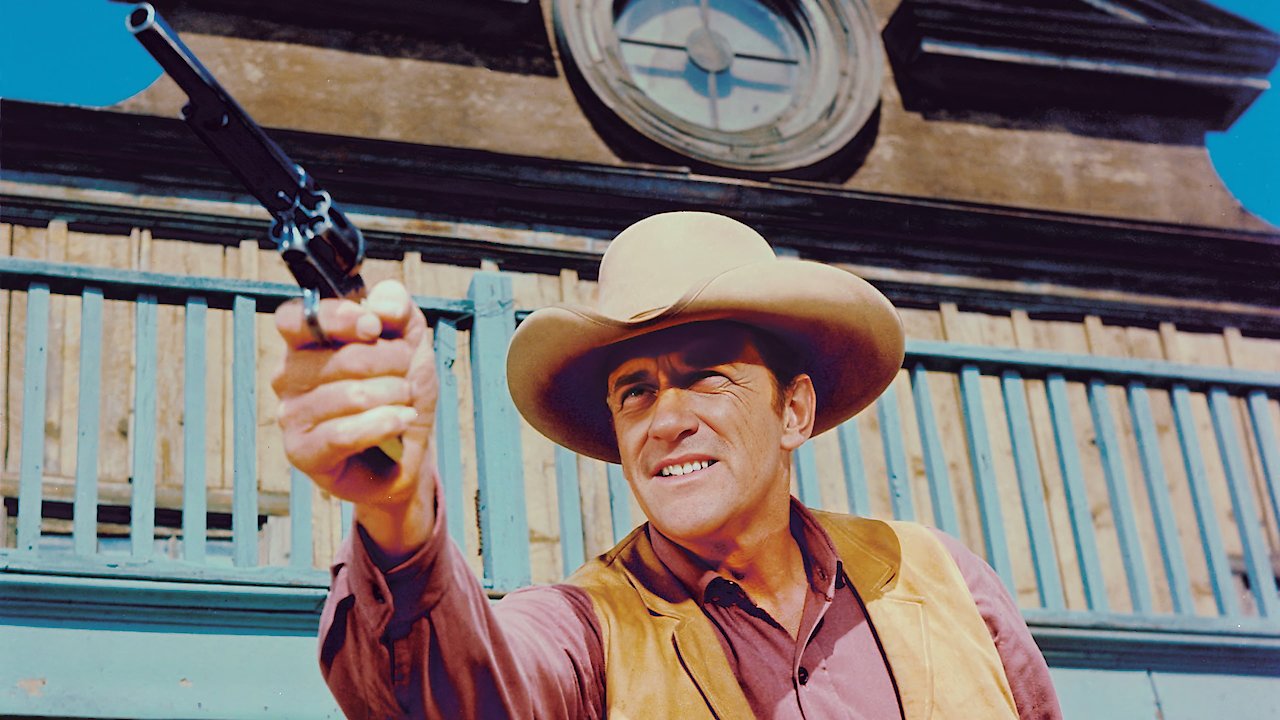
Gunsmoke Season 6 Episode 166 Ep 166 - Long Hours, Short Pay
- January 1, 1960
In the iconic Western series Gunsmoke, Season 6 Episode 166, titled Long Hours, Short Pay, the narrative plunges into the rugged life of Dodge City, where the challenges of frontier living are starkly portrayed. This episode showcases the trials and tribulations faced by the citizens, particularly as the dynamics of labor and justice come into sharp focus.
The episode opens with a palpable sense of tension in the air, reflecting the struggles of the working-class individuals who keep the town running. As the story unfolds, viewers are introduced to a familiar set of characters, including Marshal Matt Dillon, the stoic protector of a bustling yet often perilous frontier town. Dillon, known for his unwavering sense of duty and justice, is faced with a new set of problems that arise from the contentious relationship between employers and workers.
As the episode progresses, the theme of hard work juxtaposed with minimal reward is central to the narrative. The characters, representative of the era's labor force, grapple with the realities of long hours spent toiling under demanding conditions, only to find their paychecks falling short. This issue resonates with viewers, reflecting a timeless struggle that transcends the period in which the show is set.
Throughout Long Hours, Short Pay, the emotional weight becomes increasingly evident as Dillon interacts with various townsfolk, each with their own stories of hardship and plight. The dialogues are imbued with a sense of realism, as characters express their frustrations and aspirations. As the marshal listens to their grievances, he embodies the role of a compassionate leader who understands the importance of community and fairness. His conversations with the townspeople serve not only to reveal their individual struggles but also to underline the interconnectedness of their lives in the vast landscape of Dodge City.
Moreover, this episode delves into themes of camaraderie and loyalty. The relationships among the characters are tested as they confront external pressures from employers and other factions that seek to exploit the vulnerabilities of the hardworking populace. The bonds formed through shared experiences prove significant, stretching beyond personal interests as individuals strive for collective dignity and justice.
The stakes rise when tensions escalate due to an impending conflict over labor conditions. The narrative builds suspense as the community begins to mobilize, driven by a mixture of desperation and hope for change. This creates an environment ripe for potential confrontation, raising questions about the balance between justice and order. Marshal Dillon finds himself at a crossroads, torn between maintaining peace and advocating for the rights of the workers.
As Dillon navigates this challenging terrain, viewers witness the intricate dynamics of authority, morality, and societal norms in the Old West. The episode explores the implications of labor disputes not only on the individuals directly involved but on the community as a whole. It highlights the marshal's role as both a lawman and a mediator, as he seeks to provide a resolution that honors the dignity of all parties involved.
Visual storytelling in Long Hours, Short Pay captures the rugged beauty of the western landscape, juxtaposed against the gritty realities faced by its inhabitants. The cinematography paints a vivid picture of daily life in Dodge City, from the dusty streets to the crowded saloons, immersing the audience in the world of the frontier.
The performances in this episode are particularly compelling, as the actors embody their roles with authenticity and depth. The struggles depicted resonate poignantly, evoking empathy from the audience and inviting viewers to reflect on their own experiences of labor and value. The emotional resonance is heightened by the tight-knit community portrayed, where alliances are formed and tested amid the pressures of survival.
As the episode approaches its climax, the tensions reach a boiling point, leading to a confrontation that will challenge the bonds of the community and the principles that the Marshal holds dear. With no easy solutions in sight, Long Hours, Short Pay delivers a powerful exploration of resilience, community spirit, and the universal quest for fairness.
In conclusion, Gunsmoke’s Long Hours, Short Pay is an engaging and thought-provoking episode that resonates with themes of justice and labor struggles, bringing to light the human experience in the face of adversity. As viewers are swept into the world of Dodge City, they are reminded of the enduring values of compassion, community, and the fight for dignity in the relentless pursuit of a better life.
