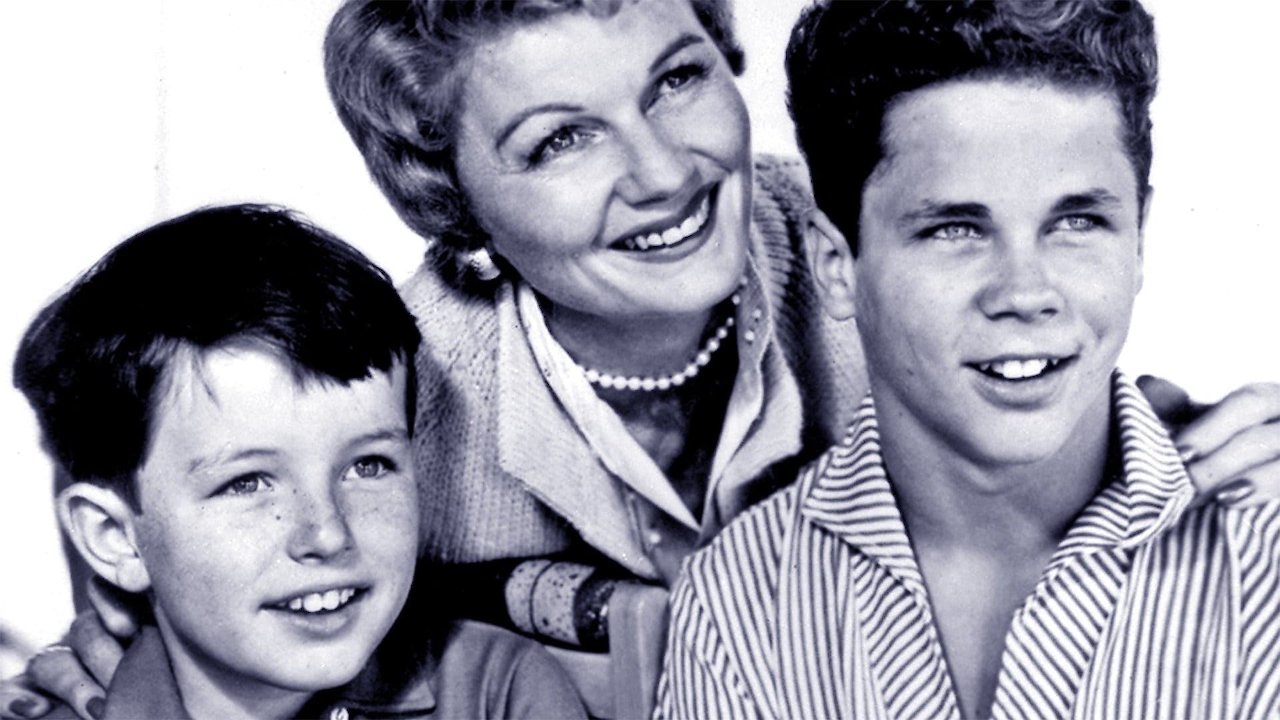
Leave It to Beaver Season 2 Episode 32 Friendship
- May 7, 1959
- 25 min
-
7.9 (12)
In the charming and heartwarming second season finale of Leave It to Beaver, titled Friendship, the series continues to delve into the everyday joys and challenges of childhood as seen through the eyes of the innocent and inquisitive Beaver Cleaver. This episode beautifully encapsulates the essence of friendship, showcasing both its complexities and the pure, uncomplicated nature that makes such bonds so special during formative years.
As the episode unfolds, Beaver, played by the endearing Jerry Mathers, finds himself navigating the ups and downs of friendships in a way that resonates with audiences of all ages. Early on, viewers are introduced to a pivotal situation that tests the loyalties and values Beaver holds dear. Set against the backdrop of the Cleaver household, the storyline is interwoven with relatable scenarios that highlight the innocence of youth and the lessons learned through interactions with peers.
Wally, Beaver’s older brother, played by Tony Dow, continues to be a pillar of support and guidance for Beaver. Through their quintessential brotherly bond, Wally often provides sage advice, helping Beaver to understand the nuances of relationships. Their interactions in this episode offer comic relief, reinforcing the familial ties that the show is known for. The dynamic between the brothers blends humor with heartfelt moments, as Wally struggles to balance his own social life while supporting Beaver in his time of need.
Meanwhile, the Cleaver parents, June and Ward, portrayed by Barbara Billingsley and Hugh Beaumont respectively, exemplify the ideals of warmth and wisdom in parenting. Their approach to teaching Beaver about friendship and ethics is both gentle and thought-provoking. The way they navigate through Beaver’s emotional challenges offers viewers a glimpse into effective parenting techniques, steering their children toward understanding accountability and empathy in relationships.
The central conflict in Friendship revolves around an issue that many children face: the fear of losing a friend over misunderstandings. As Beaver grapples with feelings of uncertainty and worry about his place in the social hierarchy of his school, he learns important lessons about communication and the importance of clear dialogue in preserving friendships. This theme resonates deeply with viewers, reminding them of their own childhood experiences where misunderstandings could lead to heartache and confusion.
The episode features a cast of characters that enrich the narrative, including Beaver's loyal friends and a few competitive peers who embody the innocence and rivalry of childhood. These friendships are tested through various situations—some humorous, others reflective—creating an engaging storyline that captures the essence of childhood friendship. The struggles and triumphs faced by Beaver and his companions serve as a microcosm of the broader themes of loyalty, trust, and the occasional need for forgiveness.
Visual storytelling plays a crucial role throughout the episode, using the Cleaver household and its warm, inviting aesthetic as a backdrop for Beaver's journey. The classic 1950s setting adds a layer of nostalgia, making the episode not only entertaining but also a charming reminder of simpler times. The comedic timing and light-hearted moments serve to balance the more serious themes, ensuring that audiences remain engaged while reflecting on the deeper messages of friendship.
As the climax of the episode approaches, Beaver's revelation about the true meaning of friendship is both heartening and relatable. It serves as a reminder that friendships can evolve and endure despite challenges, and that honesty and communication are key to maintaining these cherished relationships. Throughout the episode, viewers are left with a sense of hope and the realization that, while friendships may face trials, they can also provide invaluable support and joy.
With its mix of humor, relatable scenarios, and charming lessons about life and relationships, Friendship stands out as a quintessential episode of Leave It to Beaver. The clever writing and strong performances bring the story to life, creating a touching exploration of childhood friendships that speaks to viewers across generations. This episode not only entertains but also instills valuable life lessons, leaving audiences with a warm feeling as they reflect on their own friendships, past and present.
In conclusion, the season 2 finale of Leave It to Beaver encapsulates the heart and soul of what it means to be a child navigating the ebb and flow of friendships. The characters we come to love face relatable challenges with humor and sincerity, showcasing the timeless importance of friendship in our lives. Whether you're a long-time fan or a newcomer to the series, Friendship promises to deliver an experience full of laughter, learning, and nostalgia.