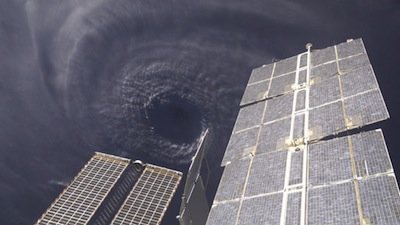
Naked Science Season 5 Episode 19 Anatomy of a Hurricane
- June 4, 2009
In season 5, episode 19 of Naked Science, viewers will learn about the Anatomy of a Hurricane. Hurricanes are among nature's most destructive forces, capable of causing massive damage, flooding, and even death. This episode delves into the science behind what causes hurricanes, how they are formed, and how they evolve.
During this episode, viewers will be transported into the heart of a hurricane, where they will witness the incredible power and destruction that these storms can cause. Through stunning footage, sophisticated simulations, and first-person accounts from hurricane survivors, Naked Science explores the anatomy of a hurricane, from its initial formation to the moments just before it makes landfall.
The episode begins by explaining what a hurricane is and how it is formed. Hurricanes are massive storms that develop over warm ocean water, where the temperature is above 80 degrees Fahrenheit. When warm air rises from the ocean surface, it cools and condenses, forming clouds. As more and more warm, moist air rises from the surface, the clouds become higher and thicker, eventually forming the towering thunderstorms that are the hallmark of a hurricane. As the storm grows in strength, it begins to rotate.
At this point, Naked Science introduces viewers to the different parts of a hurricane. The "eye" is the center of the storm and is usually calm and clear, while the "eyewall" is where the most intense winds and rain are found. The "spiral rain bands" are the long, curved sections of clouds that wrap around the outside of the hurricane and can cause localized flooding and strong winds.
Next, the episode examines the different factors that can cause a hurricane to strengthen or weaken. Factors such as ocean temperature, wind shear, and atmospheric pressure can all play a role in the intensity of a hurricane. By understanding these factors, scientists can better predict when and where hurricanes will form, and how strong they will be when they make landfall.
Naked Science also explores the technology that is used to study hurricanes. Satellites, Doppler radar, and aircraft are all used to gather data about these massive storms. By analyzing this data, scientists can create more accurate computer models of hurricanes, which can help predict their paths and intensity.
The episode also looks at the impact that hurricanes can have on people and communities. Hurricanes can cause massive damage to homes, businesses, and infrastructure, and can leave people homeless and without power for days or even weeks. The episode includes interviews with people who have survived hurricanes, and who share their experiences of what it was like to weather the storm.
Finally, the episode looks at ways that people can prepare for hurricanes and minimize their impact. Building stronger homes and infrastructure, evacuating when necessary, and having emergency supplies on hand are all important ways to prepare for a hurricane. The episode concludes by reminding viewers of the awesome power of these storms, and the importance of respecting and preparing for them.
In summary, Naked Science season 5, episode 19, Anatomy of a Hurricane, is an informative and eye-opening exploration of one of nature's most powerful and destructive phenomena. By examining the science behind hurricanes, the technology used to study them, and the impact they can have on people and communities, this episode offers viewers a glimpse into the anatomy of a hurricane, and the importance of being prepared for these devastating storms.