PBS Space Time Season 2020 Episode 35 How The Penrose Singularity Theorem Predicts The End of Space Time
- October 27, 2020
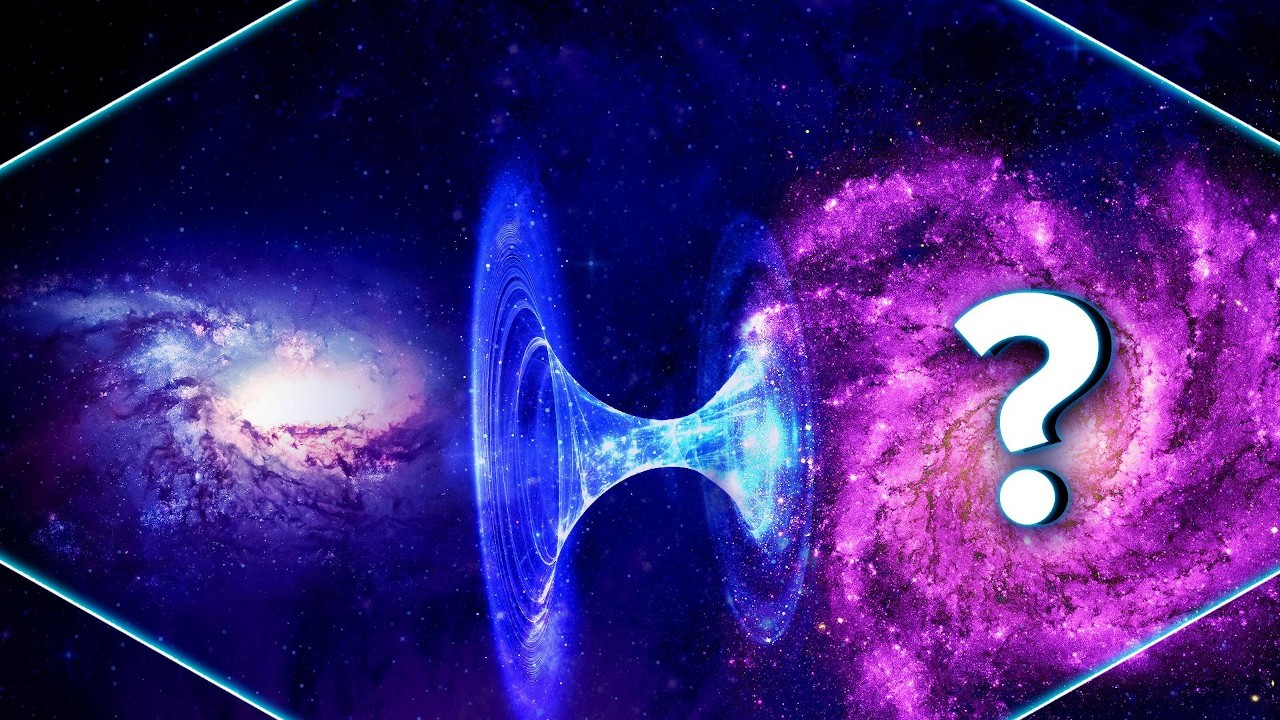
In season 2020 episode 35 of PBS Space Time, titled "How The Penrose Singularity Theorem Predicts The End of Space Time," viewers will be taken on a journey through the concepts of black holes and singularity. The episode delves into the theory put forward by renowned physicist Sir Roger Penrose, known as Penrose Singularity Theorem, and its implications for the end of space time.
The episode starts with a discussion of black holes and the singularity that lies at the center of every black hole. Singularity refers to the point in space-time where the laws of physics as we know them break down, and all our current understanding of the universe fails. Sir Penrose's Singularity Theorem asserts that the universe will end in a singularity.
The episode goes on to explain how Sir Penrose arrived at his theorem and the mathematical models and theories he used to support it. The theorem states that the universe must have started with a singularity (Big Bang) and must end with another singularity. However, Sir Penrose's theorem also highlights the concept of cosmic censorship, which suggests that singularities should not be visible to the outer world and always remain covered by event horizons.
The show then takes viewers on a journey through some of the most incredible space phenomena, such as neutron stars and black holes, which are the natural endpoints of a certain set of stars. Viewers learn how these are formed and how they interact with each other, leading to mergers and energy release that can be observed from Earth.
Finally, the episode concludes with a discussion on the future of space time and the universe as we know it. It poses thought-provoking questions that challenge our understanding of the universe. Is there a way to prevent the end of space time as we know it, or is it inevitable? How can we prepare ourselves as a species for such an eventuality?
Overall, season 2020 episode 35 of PBS Space Time is a fascinating and thought-provoking exploration of the concepts of cosmic censorship, black holes, and singularity. It engages viewers in a deep and meaningful way, challenging us to rethink our place in the universe and the implications that the end of space time may hold for all of us.