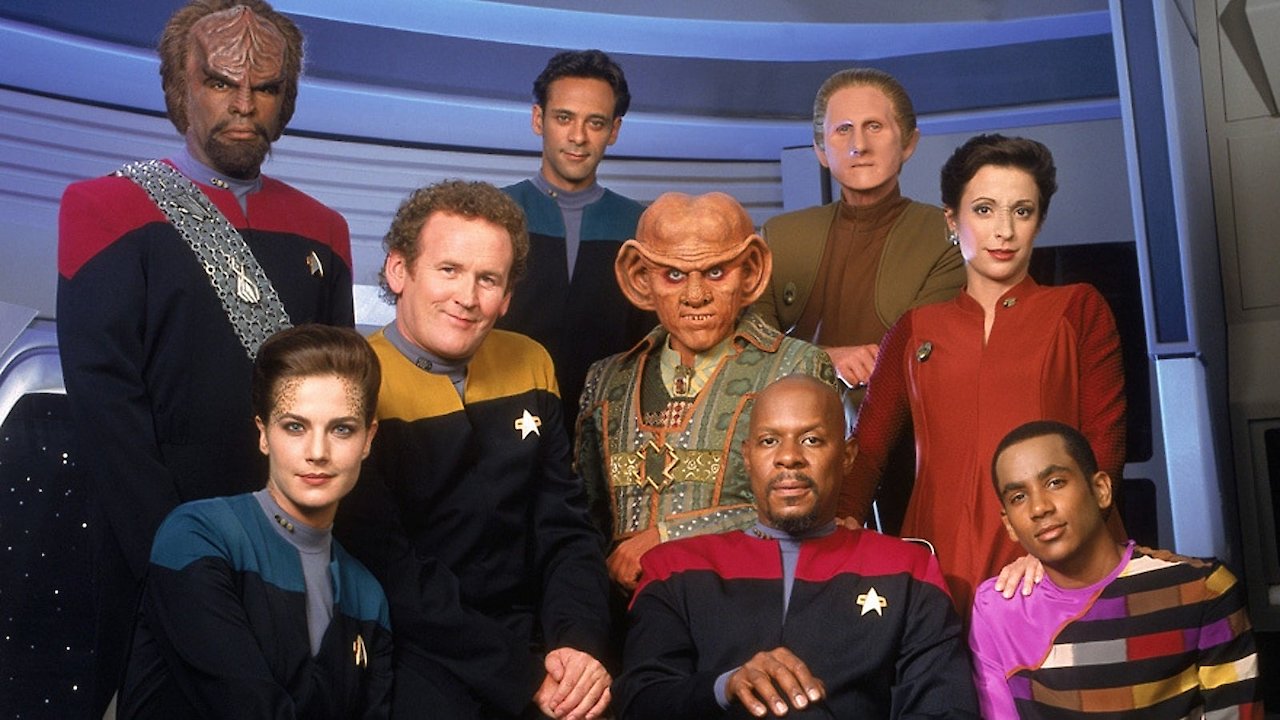
Star Trek: Deep Space Nine Season 7 Episode 18 'Til Death Do Us Part
- TVPG
- April 14, 1999
- 45 min
-
7.4 (1,823)
In the emotional and tension-filled episode "Til Death Do Us Part" from Season 7 of Star Trek: Deep Space Nine, the complex relationships and moral dilemmas faced by the station's crew come to the forefront as they grapple with their loyalties and responsibilities in both personal and greater galactic contexts. The episode interweaves the central themes of love, sacrifice, and destiny, showcasing the struggles faced by the characters in their endeavors to maintain both their personal lives and their duties to Starfleet.
As the episode opens, the audience is drawn into an atmosphere thick with anticipation and uncertainty, particularly surrounding the developments concerning Major Kira Nerys and her ongoing interactions with the enigmatic and power-hungry Gul Dukat. Kira's internal conflict is palpable as she navigates her feelings for the Bajoran cause against the looming threat posed by Dukat's dangerous ambitions. Dukat, once a principal antagonist, reveals unexpected layers to his character as his obsession with Kira takes a complicated turn. The tension between them serves as a compelling backdrop, reflecting the larger struggles in the region and their intertwined fates.
Meanwhile, Benjamin Sisko, the station's commanding officer, is faced with harrowing choices that could alter the course of his life and the well-being of those he holds dear. His relationship with his son, Jake, undergoes significant strain as they struggle to reconcile the weight of their individual responsibilities with the larger implications of the war against the Dominion. Sisko's journey in this episode embodies the principles of leadership, family, and the sacrifices that come with them, offering viewers a poignant exploration of a father’s duty to protect and guide his son in trying times.
In a parallel storyline, Worf and Jadzia Dax's relationship takes center stage, emphasizing themes of love and commitment in the aftermath of significant challenges. Their bond, built on mutual respect and understanding, is tested as they confront difficult truths and decisions that have a ripple effect throughout their lives. The emotional nuances and depth of their relationship are expertly portrayed, capturing the essence of Starfleet officers who must balance their personal desires with the demands of duty.
As the episode progresses, philosophy and ethics become a battlefield for the characters as they confront their ideologies against the harsh realities of war. The ongoing conflict with the Dominion serves as a constant reminder of the stakes involved, compelling characters to evaluate what they are willing to sacrifice for those they love and what they stand for in the broader scope of the galaxy's struggles. Each character's choices reflect the complexity of morality in wartime, demonstrating how love and duty often come into conflict.
The storytelling in "Til Death Do Us Part" deftly utilizes the backdrop of Deep Space Nine, a hub of diverse cultures and ideologies, to explore these themes without oversimplifying them. The viewer is drawn into the emotional turmoil faced by the characters, as secrets and revelations unfold with unexpected and often poignant consequences. The dialogue is sharp, laden with subtext, and the performances are both heartfelt and resonant, compelling the audience to invest deeply in the characters' journeys.
As tensions mount and confrontations loom, the episode sets the stage for an unforgettable climax that encapsulates the very essence of Star Trek—a reflection on humanity, the bonds that connect us, and the choices that define our existence. Viewers are left contemplating the nature of sacrifice and commitment, both in love and in the larger context of society's struggles.
In summary, "Til Death Do Us Part" is a rich tapestry of storytelling that provides a fitting exploration of love and duty amidst chaos. It weaves together the destinies of multiple characters, each facing their dilemmas with a depth and complexity that true fans of Deep Space Nine will appreciate. The episode serves as both a turning point in the overarching narrative of the series and a poignant reminder of the interpersonal conflicts that shape us all—forever echoing the powerful themes of connection, sacrifice, and the enduring nature of the human spirit. As viewers watch the intricate dance of fate unfold, they are reminded that in the vastness of space, the strongest ties often lie within our hearts.