The Beverly Hillbillies Season 3 Episode 34 The Art Center
- June 16, 1965
-
8.2 (121)
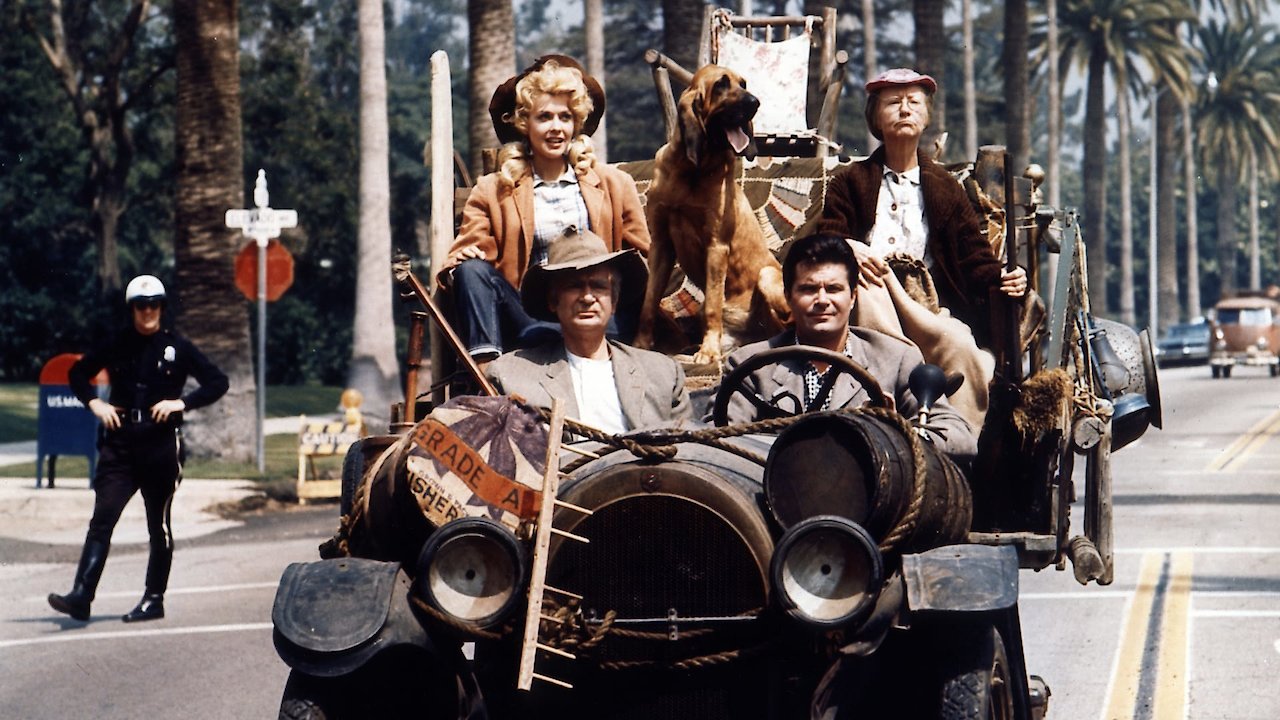
The Beverly Hillbillies season 3 episode 34, titled The Art Center, immerses viewers once again in the charmingly humorous world of the Clampett family as they navigate the upscale lifestyle of Beverly Hills, an environment both foreign and fascinating to their down-to-earth sensibilities.
As the episode unfolds, the quirky Clampett clan—Jed, Granny, Elly May, and Jethro—find themselves at the heart of a cultural conundrum when they learn about an art center that is hosting a series of exhibitions featuring a variety of modern art pieces. Intrigued by the idea of art and culture, Jed sees this as a unique opportunity for the family to broaden their horizons and perhaps mingle with the local elite, which often leads to whimsical and outlandish situations.
The episode adeptly illustrates the contrasts between the Clampetts’ rustic values and the eccentricities of high society. Jed, always the level-headed patriarch, tries to guide his family through this new world, emphasizing the values of hard work and authenticity, while Granny—never one to shy away from her opinions—laments the impracticality and sometimes absurdity of modern art.
Elly May, the sweet and well-meaning daughter, is excited about the prospect of discovering new artistic endeavors, as she has a love for nature and a keen eye for beauty. Her enthusiasm juxtaposes her family’s often baffled responses to the abstract concepts of contemporary art, setting the stage for a series of humorous misunderstandings and heartfelt moments as they navigate through the various exhibitions.
Jethro, embodying his typical goofiness, takes a misguided but well-intentioned approach to the art scene, determined to make a name for himself in yet another new venture. His naive attempts to understand and engage with the art and artists lead to hilarious situations that keep the audience entertained while highlighting his character's unwavering optimism.
As the family tours the art center, they encounter a colorful cast of characters, from pretentious art critics to high-society patrons, who provide a comedic contrast to the Clampetts’ down-home charm. The interaction serves to amplify the humor, with the Clampetts’ simple, honest perspectives clashing and creating comedic chaos against the backdrop of the sophisticated art world.
Throughout the episode, the central theme revolves around the idea of art being subjective. The writers skillfully explore the notion of what constitutes art and who gets to define it, often with comedic undertones. The Clampetts provide a refreshing perspective on beauty and creativity, rooted in their rural lifestyle, which contrasts sharply with the often convoluted interpretations of modern art presented by the other characters in the episode.
The interactions within the art center serve as a social commentary on class differences and the sometimes absurd nature of elitism, all while drenching the storyline in the timeless humor that The Beverly Hillbillies is known for. Viewers get to witness how the family’s genuine appreciation for beauty—be it a sunset, a well-kept garden, or a simple, heartfelt creation—reminds others that the essence of art can often be found in the simplest of things.
The episode also highlights the importance of family and support, as the Clampetts band together to navigate the twists and turns of their artistic adventure. Their loyalty to one another shines through, offering a heartwarming contrast to the superficialities often depicted in the art world.
As The Art Center progresses, the audience is treated to a delightful juxtaposition of laughter and heartfelt moments, making it a memorable episode that captures the essence of what makes The Beverly Hillbillies such a beloved classic. The mixture of comical misunderstandings, poignant insights into the nature of art and value, and the unmistakable charm of the Clampett family creates an engaging viewing experience.
By the end of the episode, viewers will be left smiling—not just at the antics of the characters but also at the underlying message that art, in all its forms, can be appreciated from a multitude of angles. While the Clampetts might never fully understand the intricacies of modern art, they remind us all to embrace creativity and find beauty in the world around us—lessons that resonate long after the credits roll.