Preserve Our Planet Season 1 Episode 1 Human Footprint
- April 16, 2009
Preserve Our Planet is a docuseries that seeks to shine a light on the environmental issues plaguing our world and offer solutions to mitigate them. In season 1 episode 1, the focus is on the Human Footprint - the impact that humanity has on the planet we call home.
The episode starts with a sobering statistic - every year, humans use 1.6 times the earth's resources that can be replenished. It's a daunting thought that sets the tone for the rest of the show. Through interviews with experts and visuals of environmental damage, the scale of human impact is laid bare.
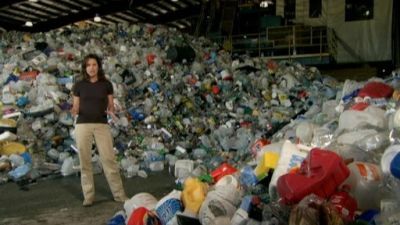
One of the first places the show visits is a landfill. It's a visually overwhelming sight, with mountains of trash as far as the eye can see. The experts explain that even though we create waste on a daily basis, where it ends up is something we seldom think about. Landfills are a ticking time bomb, with untreated waste releasing methane - a greenhouse gas that's 25 times more potent than carbon dioxide - into the atmosphere.
From landfills, the episode moves on to focus on the impact of single-use plastics. Almost 50% of plastics used are designed for single-use products. Plastic waste has resulted in some catastrophic environmental tragedies such as the Great Pacific Garbage Patch - a mass of plastic particles, microplastics, and ghost nets - that is now three times the size of France. The episode discusses how the world is coming to grips with the realization that plastic is one of the most prolific and dangerous forms of pollution since it does not degrade over time.
The production of goods, or the supply chain behind the items we consume, has a significant effect on the environment. The show provides an example from the manufacturing industry, which is notorious for exploiting developing countries, often resulting in immense environmental degradation. Industrial waste dumping has resulted in catastrophes such as the Bhopal Gas Tragedy, where toxic chemicals released into the air led to the death of thousands of people within days and many more long-term health complications.
Apart from environmental damage, the episode highlights the health hazards of industrial pollution. For instance, the outflow of chemicals from factories that make textiles blankets entire townships with dangerous levels of pollutants. The show uses visuals to demonstrate what goes on in these factories, the poor working conditions and lack of regulation that put peoples' health on the line.
The last segment of the episode focuses on deforestation and the impact on indigenous communities. Deforestation and habitat loss are among the most significant contributors to climate change, and the documentary team traveled deep into the Amazon to capture a first-hand look at the impact on the ecosystem and its inhabitants. Through local expertise, the show details how conservation efforts need to be people-centered, emphasizing the importance of engaging with indigenous communities that have wise and sustainable practices closely tied to the forests.
The episode concludes with a reminder that while the scale of the issues presented might seem insurmountable, they are, in fact, human problems that have human solutions. The answer lies in collective action that respects the planet and its natural resources. There's always more that can be done, and the show emphasizes that the journey towards change starts with education and an understanding of the environmental challenges of our time. As the name of the show suggests, it is our responsibility to preserve our planet for future generations.
Preserve Our Planet season 1 episode 1 is an eye-opening exploration of the human footprint on earth. It's a thought-provoking episode that paints a sobering picture of the scale of environmental degradation caused by humans and the urgent need to take action. The show presents a variety of environmental issues and demonstrates how interconnected they are. The visuals are powerful, providing a clear understanding of the impact of human activity, its consequences, and what we need to do to fix them. Overall, this episode does a great job of setting the stage for the series and the urgency of the work needed to ensure that there's a future for life on earth.