All in the Family Season 7 Episode 15 The Draft Dodger
- December 25, 1976
- 24 min
-
8.9 (274)
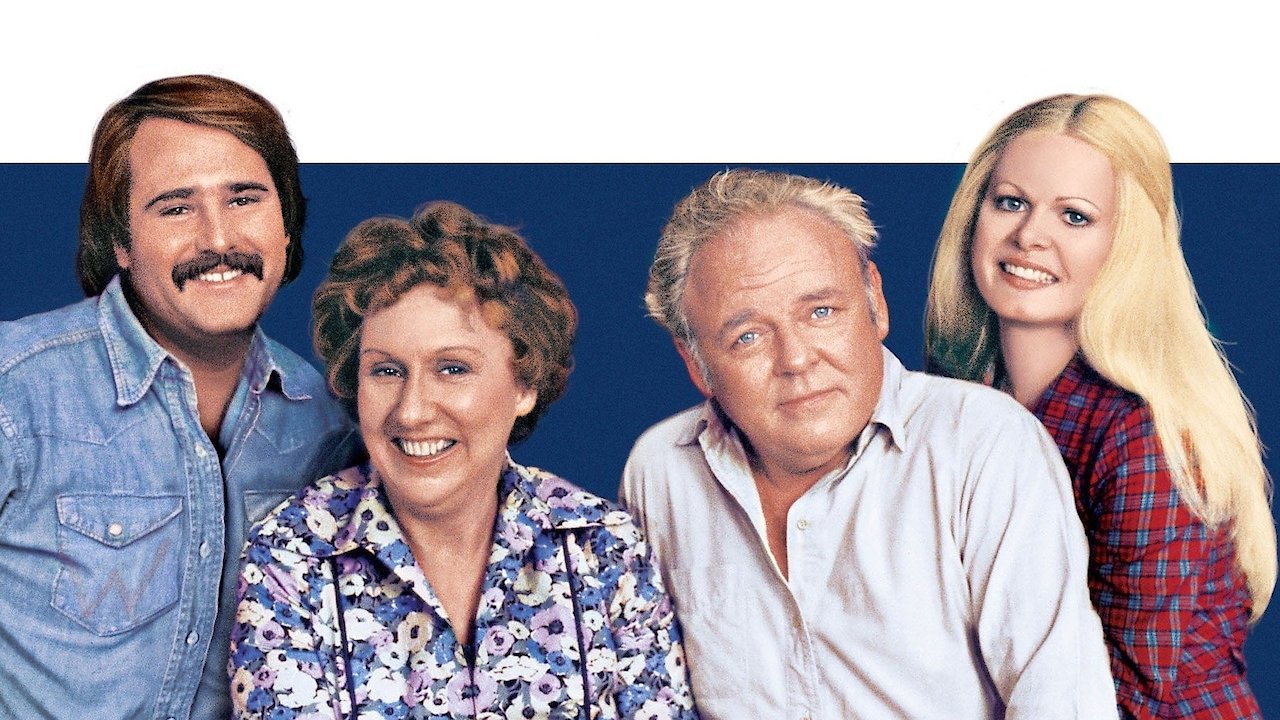
In the thought-provoking episode "The Draft Dodger," which is the 15th episode of season 7 of All in the Family, the show digs deep into the era's complexities surrounding war, patriotism, and the individual moral dilemmas faced by citizens. Set against the backdrop of the Vietnam War, the episode explores the intense family dynamics and societal issues that arise when Archie Bunker, the patriarch and a staunch supporter of American values, is confronted with a situation that challenges his perspective on duty and loyalty.
The episode begins with the familiar, bustling atmosphere of the Bunker household, where the contrast between Archie's unyielding viewpoints and the more progressive ideals of his family members is ever-present. This tension is palpable as discussions about the Vietnam War permeate everyday interactions. Archie's unwavering patriotism often puts him at odds with his liberal-minded son-in-law, Mike Stivic, and his wife, Edith, who tend to exhibit a more empathetic worldview.
Things take a turn when a young man named Bill, a friend of Mike’s, comes to visit. Bill embodies the spirit of a draft dodger, someone who has chosen to avoid military service either through legal exemptions or by fleeing to another country to escape the draft. As he enters the Bunker home, the atmosphere grows noticeably tense. Archie immediately adopts an antagonistic stance toward Bill, viewing him as a symbol of disrespect toward the soldiers fighting overseas and the very principles he cherishes. It becomes clear that Bill's choice is not merely a personal decision; it has far-reaching implications that touch upon issues of masculinity, identity, and civic duty.
While Archie engages Bill in spirited debates filled with bravado and sarcasm, audiences also see the character’s vulnerabilities emerging. Archie's reactions are often laced with his trademark humor, but they mask an underlying fear that stems from the changing societal norms of the time. He grapples with how his view of right and wrong is being continuously challenged by those around him, particularly by Mike, who often presents a counter-narrative that highlights the complexities of war and personal conviction.
As the episode unfolds, it becomes evident that Bill's presence serves to catalyze an exploration of deeper themes such as the clash between generational beliefs, the weight of personal conscience, and the societal pressures that accompany wartime patriotism. Mike staunchly defends Bill's choices, advocating for individual freedom and the right to dissent, which only fuels Archie's anger and further complicates their relationship. The playful yet charged banter between Mike and Archie serves to illustrate the broader societal rifts of the 1970s, positioning the home as a microcosm of national discourse.
The episode does not shy away from the harsh realities and consequences faced by those who dodge the draft or resist military service. Underneath the comedic elements lies a poignant exploration of the psychological ramifications for young men of that era. The audience witnesses Bill’s internal struggles – he shares his fears, convictions, and the reasoning behind his choices. His earnestness invites viewers to reconsider the black-and-white view of right and wrong, framing the draft dodger not just as a rebel, but as a complex individual shaped by his experiences and beliefs.
Throughout "The Draft Dodger," Edith, often the emotional backbone of the family, plays a vital role in bridging the generational divide between Archie and Mike. Her gentle yet firm demeanor encourages a more compassionate understanding of Bill’s situation, even as Archie remains resolute in his beliefs. This episode highlights Edith’s character evolution, showcasing her as a vital voice of reason amid the discord.
The culmination of the episode sees a delicate balance of humor and seriousness, characteristic of All in the Family. While there are laugh-out-loud moments stemming from Archie’s comedic rants and misunderstandings, the underlying themes resonate deeply. It prompts the audience to reflect on their own views regarding loyalty, duty, and the moral questions surrounding war and personal choice.
As the credits roll, viewers are left contemplating the perspectives presented, illustrating how comedy can effectively address significant societal issues. "The Draft Dodger" stands out not only for its smart writing and compelling performances but also as a testament to the power of television to engage audiences in discussions that are as relevant today as they were during the show's original run.