Blue Bloods Season 12 Episode 16 Guilt
- March 11, 2022
- 41 min
-
7.8 (237)
In the gripping sixteenth episode of Blue Bloods’ twelfth season, titled Guilt, the complexities of justice, family loyalty, and moral dilemmas are explored in a way that keeps viewers on the edge of their seats. The episode dives deep into the emotional and ethical challenges faced by the Reagan family as they navigate the intricate web of law enforcement and personal convictions.
As the episode unfolds, the storyline centers around a critical case that affects the lives of a community. An unsettling incident involving a local youth brings the Reagan family’s integrity as law enforcement officers into question. The episode resonates with themes of guilt, accountability, and the heavy burden of decisions made on the job. Each member of the Reagan family is faced with their own version of guilt as they confront the ramifications of past actions and choices made in the line of duty.
Danny Reagan, portrayed by Donnie Wahlberg, finds himself at the center of the case. Armed with his signature tenacity and instinct, he investigates a complex crime that reveals deeper societal issues. As he works to uncover the truth, he grapples with his own feelings of guilt stemming from past cases and personal losses. His interactions with victims and their families highlight the human aspect of crime and its devastating impact, prompting Danny to reflect on what justice truly means.
Detective Baez, Danny’s partner, also plays a pivotal role in this episode. Her strong-willed yet compassionate nature challenges Danny to confront his emotions and moral compass. Together, they navigate the murky waters of an investigation that not only tests their partnership but also forces them to challenge their own beliefs about right and wrong. The camaraderie displayed between the two detectives embodies the show’s underlying message about the importance of accountability in policing.
Meanwhile, Erin Reagan, played by Bridget Moynahan, must tackle her own issues of guilt as she finds her professional and personal lives intersecting. As an Assistant District Attorney, she is faced with prosecuting a case that resonates deeply with her own sense of justice. Throughout the episode, Erin reflects on her responsibilities, balancing the demands of her job with the implications of her decisions on the victims and their families. Her inner turmoil is palpable, as she weighs the law against her own ethical beliefs.
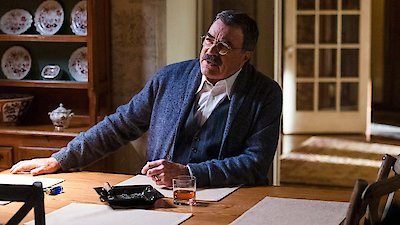
As the episode progresses, Frank Reagan, the patriarch of the family and Police Commissioner, wrestles with the broader implications of the case on the police department’s public image. His experience and wisdom guide the family's conversations, providing a grounding perspective amidst the chaos that ensues. Frank’s interactions with his staff and the community emphasize the challenges law enforcement faces in maintaining trust and transparency, especially in light of recent events that have put police practices under scrutiny.
Additionally, Jamie Reagan and Eddie Janko, played by Will Estes and Vanessa Ray respectively, provide a crucial subplot that complements the episode’s main themes. As they patrol the streets, they encounter various citizens, bringing to light the perspectives of the community regarding law enforcement and crime. Their experiences serve as a reminder of the importance of empathy and understanding in policing, reinforcing the notion that the job is not just about enforcing the law but about building relationships with the community.
Guilt culminates in a captivating climax that challenges each character’s values and questions the nature of justice itself. The intertwining narratives of guilt, responsibility, and moral conflict create a compelling dynamic that drives the show’s central message home. Moreover, the episode’s rich character development adds layers to the story, allowing viewers to connect with the Regan family on a more personal level as they confront their demons.
The cinematography and writing in this episode shine, reflecting the darker themes without losing sight of the emotional arcs of the characters. The tension builds steadily, propelling the audience through a series of thought-provoking moments that emphasize the necessity of self-reflection in the pursuit of justice.
As the credits roll, viewers are left with lingering questions about the nature of guilt and the consequences of one's actions, encouraging deeper contemplation long after the episode has ended. Blue Bloods continues to captivate with its intricate storytelling and relatable character journeys, making Guilt a standout installment in this beloved series.