Dragnet Season 1 Episode 12 The Hit and Run Driver
- TV-NR
- April 6, 1967
- 25 min
-
7.7 (183)
Dragnet (1967) Season 1 Episode 12: The Hit and Run Driver
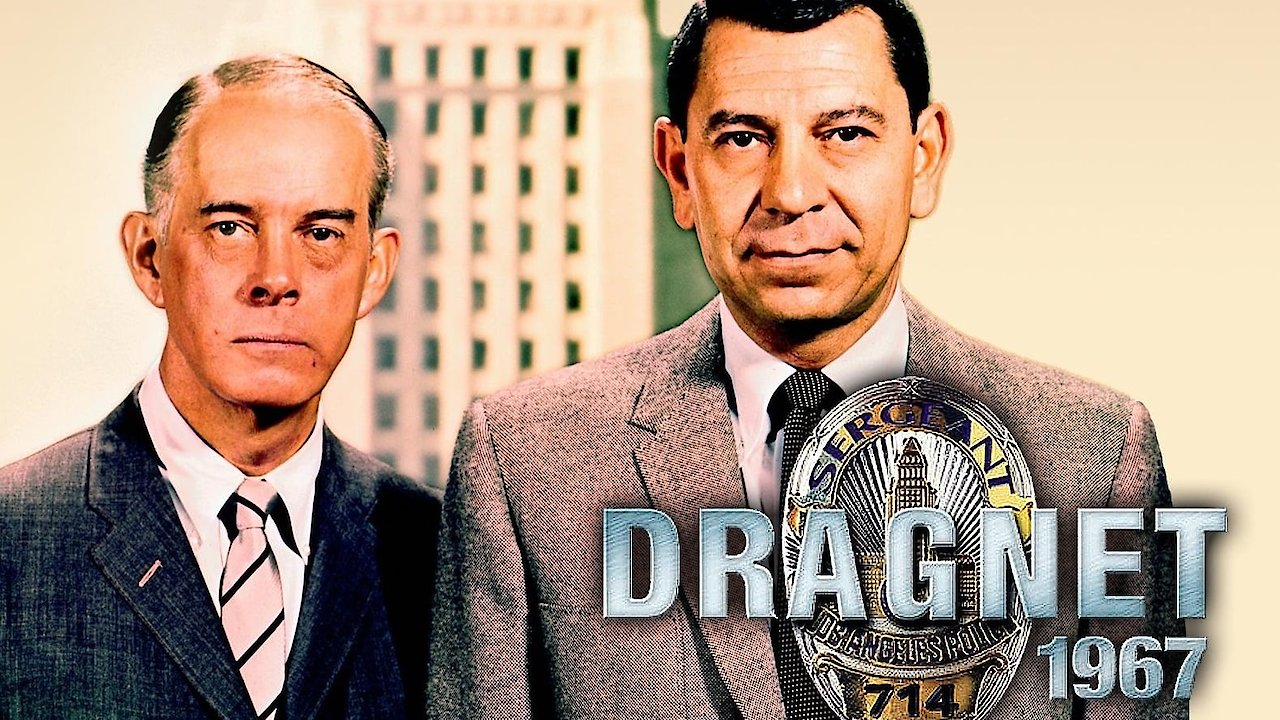
In "The Hit and Run Driver," the gripping narrative follows seasoned LAPD detectives Joe Friday (played by Jack Webb) and his partner, Officer Frank Smith (played by Ben Alexander), as they dive headfirst into a case that brings to light the societal impacts of reckless driving and the moral dilemmas faced by witnesses in a fast-paced, urban landscape. The episode documents the detectives' meticulous investigation following a tragic incident—a hit-and-run that leaves a victim grievously injured and prompts immediate action.
The storyline begins with the aftermath of the accident, setting the stage for the seriousness of the situation as the victim lies almost unresponsive at a hospital. There’s a somber tone that is conveyed through Friday's calm demeanor as he explains the gravity of a hit-and-run crime to an audience that gradually confronts the emotional weight of the events that have unfolded. The police officers are not only tasked with collecting evidence, but they also seek to communicate with the victim's family, reflecting the human side of their job that often gets overshadowed by the procedural nature of police work.
As the case unfolds, viewers are introduced to a variety of characters—witnesses, locals from the area, and even people from the victim’s past, each adding layers to the narrative while also helping to illustrate the broader community's response to the tragedy. Through interviews with these individuals, Friday and Smith grapple with inconsistencies in accounts and the challenges of obtaining reliable information. The show peels back the layers of human psychology as it explores themes of fear, guilt, and the bystander effect, which raises questions about societal responsibility.
The episode doesn't shy away from the interplay of law enforcement and community relations. As Friday and Smith reach out to the public for assistance, they encounter a range of attitudes. Some witnesses are keen to help, keenly aware of the ethical obligations to report a crime, while others exhibit a reluctance to get involved, fearing potential repercussions. This dynamic emphasizes the tension between individual responsibility and social accountability, a recurring theme throughout the series.
There are several pivotal moments in the episode where the detectives’ investigative work reveals the stark realities of urban life through their interactions, highlighting the gritty, sometimes harsh, nature of the environment they navigate. Each piece of evidence they uncover serves to not only move the case forward but also to enhance the viewer's understanding of the layered actions that contribute to the aftermath of a hit-and-run. The detectives' relentless pursuit of justice is mirrored by their commitment to revealing the truth, even when faced with obstacles.
Joe Friday stands out with his unwavering commitment to duty and justice. His character is not just a stereotypical hard-nosed cop; he embodies a respectful, almost philosophical approach to law enforcement. In moments of tension and frustration, Friday conveys a sense of patience and resolve that resonates with viewers. His trademark catchphrases and methodical speaking style enhance the authenticity of his character, while also providing a stark contrast to the emotional turmoil swirling around him and those affected by the crime.
In tandem with the engaging plot, the visually striking cinematography of 1960s Los Angeles captures the essence of the era, from its bustling streets to subdued neighborhoods. The atmosphere lends a palpable feel to the investigation, reinforcing the sense of urgency and danger inherent in a hit-and-run scenario. The direction prioritizes realism, relying on practical effects and authentic settings, immersing the audience into what feels like a real police investigation.
As the episode progresses, viewers witness the detectives follow leads that take unexpected turns, showcasing the unpredictability of criminal investigations. The mounting pressure to solve the case, coupled with the moral implications of the hit-and-run, creates a rich, suspenseful narrative. Each revelation not only propels the plot forward but also invites reflection on larger societal issues that resonate with contemporary audiences.
Ultimately, "The Hit and Run Driver" encapsulates the essence of Dragnet as a pioneering police procedural, blending elements of drama, social commentary, and procedural accuracy. Through the lens of Friday and Smith’s investigation, the episode challenges viewers to reflect on their own roles within their communities, the importance of justice, and the consequences of inaction. The powerful themes and human elements woven throughout the episode ensure it stands out as a compelling exploration of morality and societal responsibility in the face of tragedy.