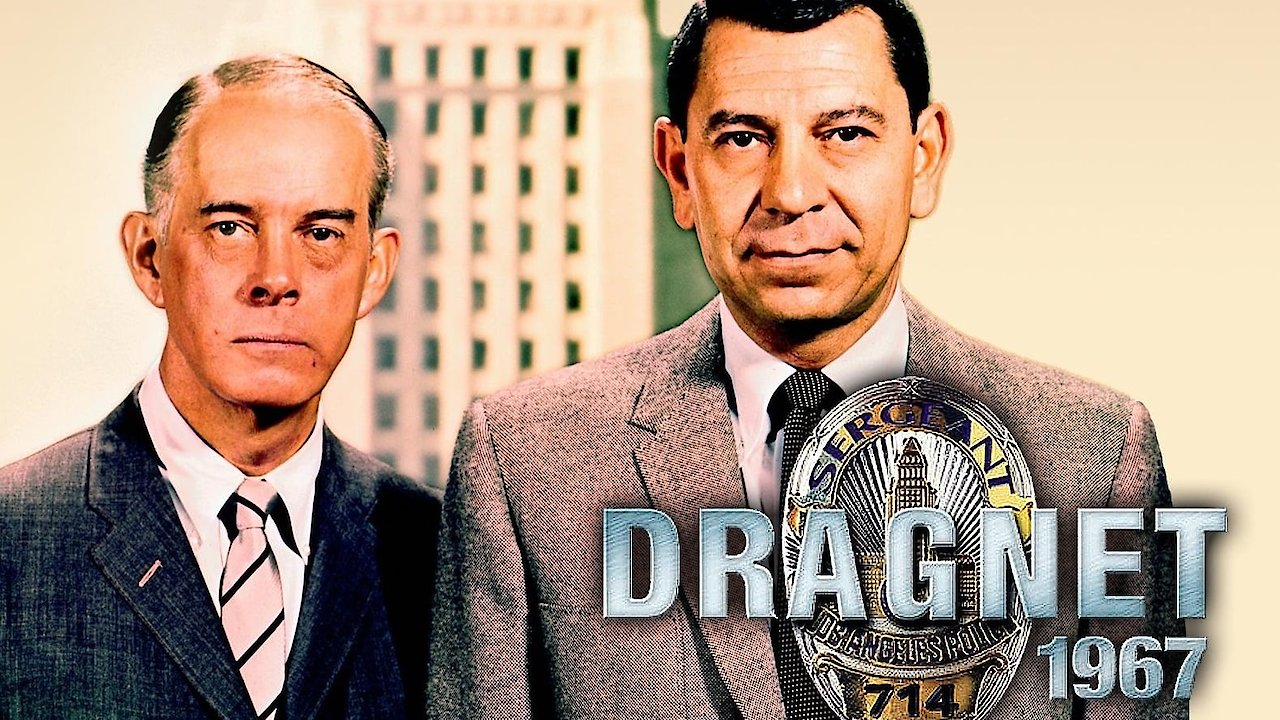
Dragnet Season 1 Episode 17 The Big Bullet
- TV-NR
- May 11, 1967
- 25 min
-
7.7 (176)
In the fascinating world of crime drama, Dragnet (1967) continues to serve its audience riveting stories that delve deep into the complexities of law enforcement. Season 1, Episode 17, titled The Big Bullet, brings a gripping narrative that unfolds in the trademark style of this beloved series. The episode is a quintessential representation of the procedural format that fans have come to adore while showcasing the struggles and triumphs faced by the dedicated officers of the LAPD.
The episode opens on a tense note, establishing an atmosphere charged with suspense and uncertainty. As the story progresses, Sergeant Joe Friday and his partner, Officer Frank Smith, are drawn into an investigation that centers around a shocking incident involving gunfire. The episode highlights the chilling realities of urban crime and the unpredictable nature of violence, addressing the immediate aftermath of the shooting and its troubling implications for the community and law enforcement alike.
Throughout the episode, Friday and Smith navigate the complexities of their investigation amidst a backdrop of tension and urgency. They engage with witnesses, each providing fragments of information that serve to piece together the broader narrative. As the detectives work against a ticking clock, the viewer is taken through various layers of the investigation, from examining crime scenes to questioning suspects. The attention to detail in this procedural drama immerses viewers in the methodical approach taken by the LAPD as they strive to seek justice and maintain order in a chaotic environment.
Themes of duty and morality underpin the investigative narrative, with Friday embodying the principles of justice and determination. His steadfast dedication to solving cases, combined with Smith's dynamic support, underscores the personal stakes involved in law enforcement. As they sift through the evidence of gun violence that has eruptively impacted their community, the episode poses deeper questions about societal responsibility and the implications of crime on everyday life.
The pacing of The Big Bullet maintains tension while allowing for moments of reflection and character development. The interactions between the officers and the people they encounter reveal the challenges of connecting with a community that may be skeptical or afraid of the very authority that seeks to protect them. This human element adds emotional depth to the procedural elements, making the story resonate on multiple levels.
The guest characters presented throughout this narrative add layers to the investigation, showcasing different societal perspectives and experiences. The episode portrays the sometimes frayed relationships between law enforcement and the community they serve, presenting a realistic view of the hurdles faced in addressing violence. The detectives' dedication not only to justice but also to understanding the human stories behind the statistics gives viewers insight into the broader implications of crime and its victims.
Visual storytelling in Dragnet (1967) enhances the narrative, with stark cinematography that captures both the gritty realities of urban life and the procedural aesthetics. The use of pacing, lighting, and sound design craft an immersive experience that engages viewers from start to finish. As the investigation unfolds, the show's signature style keeps audiences on the edge of their seats, waiting to see how the pieces of the puzzle will come together.
The Big Bullet also brings forward the theme of teamwork and collaboration within the police force. The episode illustrates how officers rely on one another, as well as on the myriad of departments that assist them in their work. This cooperative spirit is highlighted in the diligent efforts to analyze ballistics, gather forensic evidence, and keep up with leads. The intricacies of police work are displayed authentically, demonstrating the challenges and successes of collective efforts in the face of adversity.
As the episode nears its conclusion, viewers are likely to be left contemplating the ramifications of the events depicted, both for the characters involved and for the broader community. The lingering questions posed throughout the investigation resonate as part of a larger dialogue about crime, safety, and justice, ensuring that The Big Bullet remains impactful well beyond its runtime.
In an age where crime dramas often sensationalize the realities of law enforcement, Dragnet (1967) opts for a grounded and documentary-style approach that elevates its storytelling. The show aims not only to entertain but to provoke thought and discussion, tackling serious issues that affect countless communities. The Big Bullet serves as a notable example of how the series weaves intricate narratives around the lives of both law enforcement and those they serve, making it a remarkable entry in the Dragnet legacy. Fans of the genre and new viewers alike are sure to find this episode a compelling exploration of the complexities surrounding crime and justice.