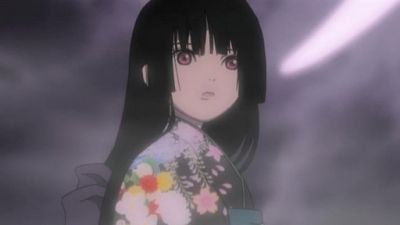
Jigoku Shoujo (Hell Girl) Season 2 Episode 26 Indigo Dye
- TV-NR
- April 7, 2007
- 24 min
In the provocative season finale of Jigoku Shoujo, titled Indigo Dye, the complex intertwining of human emotions and the supernatural reaches a poignant climax. Set against the backdrop of a small, picturesque town known for its artisanal indigo dyeing, the episode immerses viewers in a world where the vibrant color serves as both a cultural emblem and a symbol of deeper emotions.
The narrative follows a young woman named Sayuri, who has dedicated her life to mastering the ancient art of indigo dyeing, a craft passed down through generations in her family. As the episode unfolds, we see Sayuri grappling with the burdens of expectation placed on her by her family and her community. Her passion for the craft is palpable, yet it's tinged with the pressures of tradition and the urgency to meet the lofty standards set before her. This inner turmoil is mirrored in the deep, rich hues of the indigo she works with, reflecting both the beauty and darkness of her situation.
Sayuri’s serene life is disrupted when a former childhood friend, Haruki, returns to town after years away. Initially overjoyed at the reunion, Sayuri quickly learns that Haruki's life has been marked by hardship and betrayal, leading him to harbor a growing resentment towards those he feels have wronged him. Haruki's bitterness gradually becomes a focal point in the narrative, revealing the darker aspects of their shared past and rekindling unresolved tensions between the two.
As the emotional stakes rise, the supernatural elements of the series come into play. Viewers are reintroduced to Ai Enma, the enigmatic and ethereal figure who embodies the essence of Hell Girl. As whispers of vengeance and despair fill the air, Sayuri is faced with a moral dilemma—a choice between the purity of her craft and the temptation of seeking revenge against those who have caused Haruki pain. The episode delves deep into themes of justice, forgiveness, and the human capacity for compassion, challenging characters and audiences alike to consider the true cost of vengeance.
Visually, Indigo Dye is striking, with a palette dominated by tones of blue and indigo that evoke a sense of depth and melancholy. These hues not only enhance the storytelling but also create a haunting atmosphere that reflects the characters' emotional states. The artistry of the indigo dyeing process serves as a metaphor for the transformation the characters undergo throughout the episode—a journey from innocence to complexity.
As the story progresses, we witness a poignant transformation within Sayuri. Torn between her love for Haruki and the moral implications of revenge, she must navigate the turbulent waters of her emotions, which are complicated further by her family’s expectations and the responsibilities of her craft. The episode grapples with the question of what it means to truly forgive, and whether the burden of anger is worth carrying or if it can be released through understanding and acceptance.
Confronted with the remnants of her friendship with Haruki and the reality of what retaliation may bring, Sayuri’s choices become increasingly weighty. The tension builds towards the climax as Sayuri stands at a crossroads, embodying the central theme of the series: the thin line between right and wrong, and the choices we make that define our humanity.
Indigo Dye is not just a continuation of the series but an exploration of the intricate tapestry of human emotions. It reflects on the duality of beauty and pain, love and revenge, presenting a narrative that is both heartbreaking and thought-provoking. As characters confront their pasts and grapple with their feelings, the audience is drawn into a web of empathy and moral complexity that challenges them to consider their own beliefs about justice and revenge.
Through its haunting storytelling and rich visual style, the episode invites viewers to ponder the broader implications of its themes. In the end, the episode serves as a powerful reminder that vengeance often comes at a greater cost than one can foresee, and that healing can sometimes be found in unexpected places. As the credits roll, viewers are left reflecting on the indigo dye that colors not just fabric, but the very essence of human relationships and the choices we make throughout our lives.